
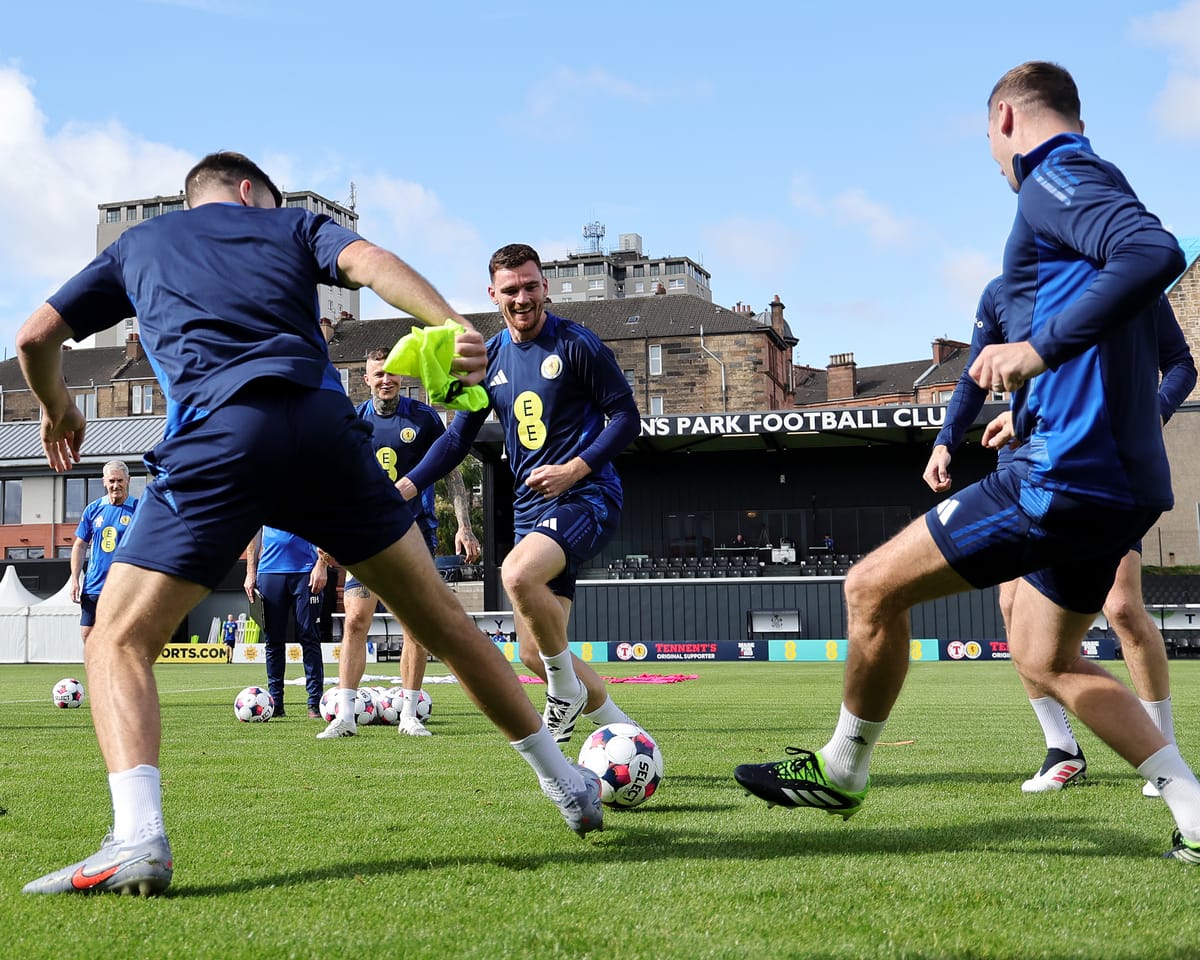
The passing of Jimmy Bone this week carried a deeper sense of sorrow. A figure who left a significant mark on Scottish club football, the resilient striker’s only goal for his nation came in Copenhagen’s original Parken Stadium during a 4-1 victory over Denmark in October 1972. At the time, under the brief leadership of Tommy Docherty, Scotland appeared poised to qualify for the 1974 World Cup, breaking a 16-year absence.
Now, Copenhagen is once again the setting. This time, the wait stretches back to 1998. Since Scotland’s last appearance, nations like Togo, North Korea, Panama, Saudi Arabia, and Wales have all reached the tournament. Steve Clarke is set to become the longest-serving Scotland manager by matches managed. With Scott McTominay, Scotland have a Ballon d’Or nominee—by representation if not birth—and six games to shape their fate for 2026.
Will these be Clarke’s cautious final steps or a bold leap into Scottish football history? The answer will be clear by November. Clarke has 540 minutes to secure what would easily be the pinnacle of his career. The difficulty of this task should not be understated.
For some time, Clarke has seen the end of this World Cup cycle—and his contract—as a natural conclusion to a tenure that began in 2019. Whether this planned departure is advantageous remains debatable. More pressing is the lingering doubt over whether his team peaked well before the disappointments in Germany and the last Euros. Scotland showed resilience in the latter stages of their Nations League campaign, but dismal home defeats to Greece and Iceland, conceding three goals in each, raised serious concerns. Clarke’s infrequent public statements have done little to ease discontent among supporters, fostered partly by familiarity breeding frustration. A resurgent Greek side awaits once more in this qualifying phase.
Scotland’s hunger to end their World Cup drought is unmistakable, as is the boost their participation would bring to the tournament. Clarke’s role in elevating standards is evident, yet skepticism remains widespread—enough that his challenge, beginning against Denmark on Friday, is formidable. When the time comes to find Clarke’s successor, the Scottish Football Association will face another difficult search. The scarcity of emerging talent makes this among the toughest roles to fill. Scottish clubs either contribute little to the national setup or remain indifferent to its needs, as the recent scramble for veteran signings demonstrates.
Between the posts, Scotland’s situation is more crisis than debate. Liam Kelly is not featuring for Rangers, Zander Clark may soon lose his place at Hearts, and Angus Gunn has not played since lasting just seven minutes in the defeat to Iceland.
Read next
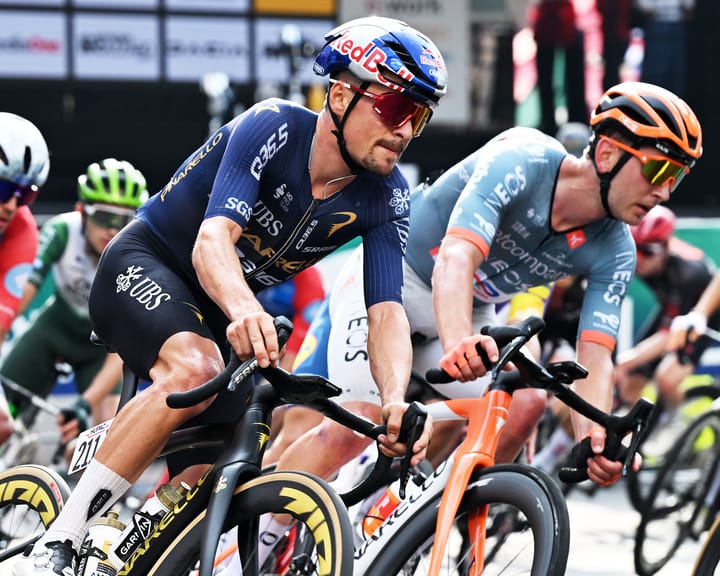
Pidcock Furious as Teammates Crash into Police Motorcyclist in Italy
Tom Pidcock admitted he nearly quit the Tre Valli Varesine race in frustration after a police motorcyclist drove into the peloton, injuring two of his Pinarello Q36.5 teammates. After finishing second in the northern Italy race, Pidcock recounted the incident: “A police motorbike was going the wrong way down

2026 Rising Stars: Top 60 Young Football Talents Worldwide
Next Generation 2017: 60 of the Best Young Talents in World Football
In the dynamic world of football, young talent is always at the forefront of shaping the future of the sport. The 2017 edition of the Next Generation list highlights 60 of the most promising young players from across
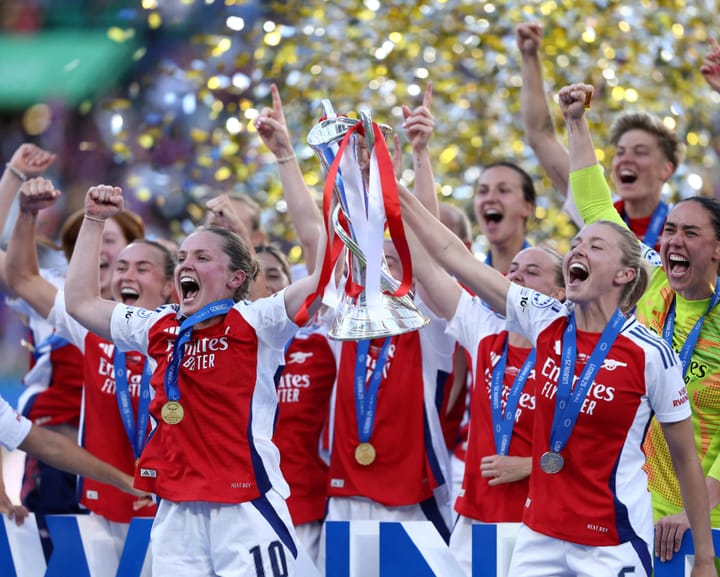
Arsenal and Chelsea to miss a month of WSL due to Club World Cup commitments
The Women's Super League (WSL) is set to face significant disruption in the upcoming season due to the Club World Cup. Arsenal and Chelsea are likely to miss domestic matches for up to a month, as the inaugural Women's Club World Cup is scheduled for January