
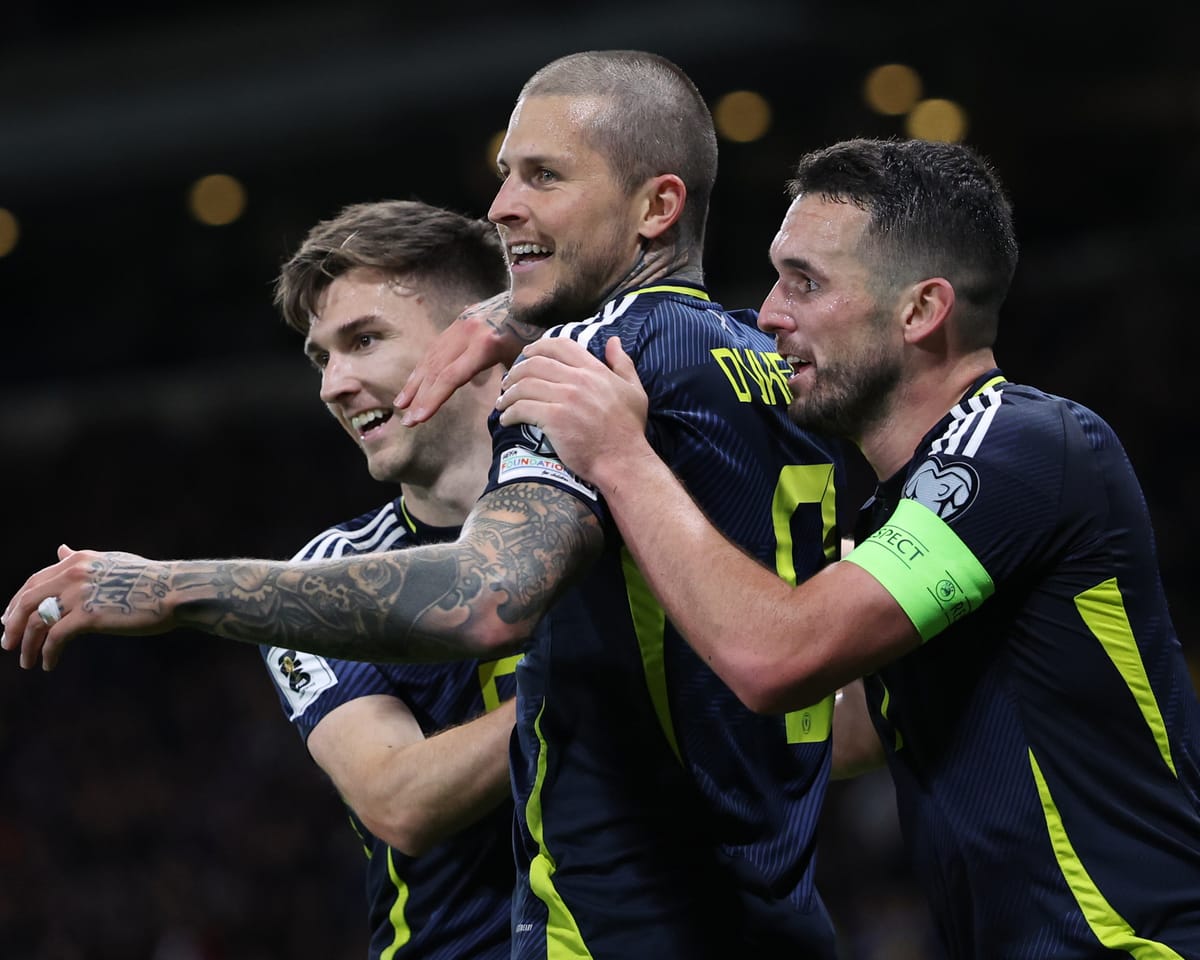
Rising hopes surrounding the Scottish national team leave little room for reflection. If Steve Clarke leads his side to the World Cup, the expectation will be for them to make a meaningful impact rather than repeat their disappointing performances in recent European Championships. With players like Scott McTominay, Andy Robertson, and Billy Gilmour, hopes are high. However, critics overlook the reality that their third-choice goalkeeper plays for a mid-table club and their most reliable scorer isn’t always a starter for his team.
Another harsh truth is that Scotland hasn’t won a World Cup qualifying group since securing a place at Spain 82. While it may be ambitious to expect Clarke’s squad to replicate that success after more than 40 years, they now have a significant chance. A win against Belarus at Hampden Park on Sunday would leave them just two matches away from a historic achievement—and if they fail to beat Belarus, World Cup participation should remain out of reach. If Scotland claim victory while Denmark defeats Greece, their playoff spot will be confirmed. But they should aim higher. Their resilience is evident, with only three defeats in their last 23 World Cup qualifiers. It has been 12 years since Scotland lost a home qualifier for the tournament, yet the unpredictability of potential playoff opponents poses an avoidable risk.
Thursday’s 3-1 victory over Greece, which put Scotland level with Denmark at the top of Group C, was met with some surprise. Greece struggled to accept defeat, let alone by two goals. However, in a condensed qualifying campaign with history in the balance, Scotland have little reason to linger on an unconvincing performance. “Sometimes in football, you get less than you deserve—and sometimes more,” Clarke said. “Matches last 96 or 97 minutes now. You have to manage the game even in difficult phases.”
Scotland have faced setbacks before, such as during their last World Cup bid when a rescheduled playoff against Ukraine worked against them more than Clarke acknowledged. Greece, meanwhile, are left to analyze a damaging defeat in Glasgow, compounded by their striker’s inexplicable miss from close range. Their manager, Ivan Jovanovic, refused to attribute the loss to luck.
A sharper finishing touch would have given Scotland a winning start in Copenhagen. Now, that away point looks increasingly valuable, considering Denmark’s recent form. Greece’s role in the group remains uncertain—they could help Scotland’s push for automatic qualification by upsetting Denmark. But if they do, they will still have strong motivation when Scotland visit Athens next month. Given Greece’s inconsistency, anything could happen.
Read next

Stephen Bunting calls death threats and social media abuse ‘very hurtful’ as he addresses Luke Littler’s rise
Definitely," Stephen Bunting says, reflecting on whether the relentless effort required as a darts player on social media feels like a deal with the devil. Following Luke Littler, the prodigious teenage world champion, Bunting is darts' most heavily marketed figure. Yet over the past year, his success on
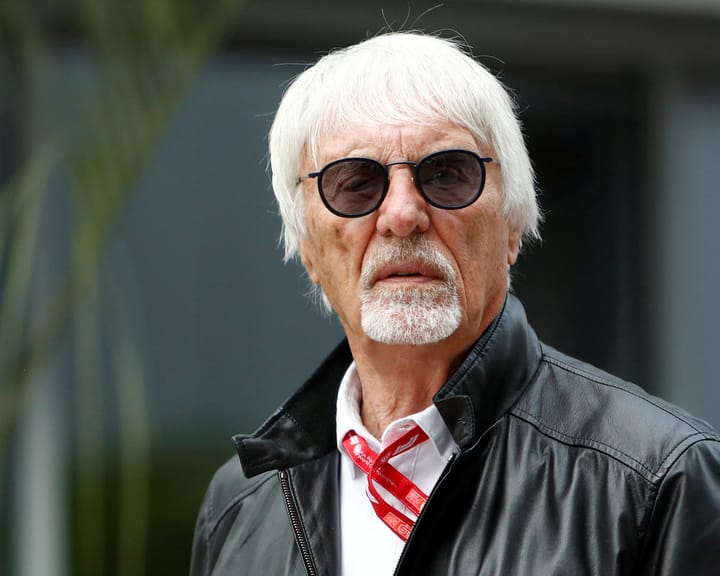
Bernie Ecclestone questioned after shotgun discovered on his private jet in Portugal
Bernie Ecclestone was detained in Portugal on Monday after customs authorities found an undocumented shotgun in his possession at Tires Aerodrome in Cascais. The incident was confirmed by CuriosityNews, which independently verified the matter with authorities.
The 95-year-old former Formula One chief’s private jet had just landed

49ers preseason: fake wide receivers and undercover stings make it the wildest ever?
The Los Angeles Rams and San Francisco 49ers have arrived in Australia for this week's NFL season opener in Melbourne. While the flight duration from California to Victoria is approximately 16 hours for both squads, their paths to the season's beginning have been starkly contrasting.
The