
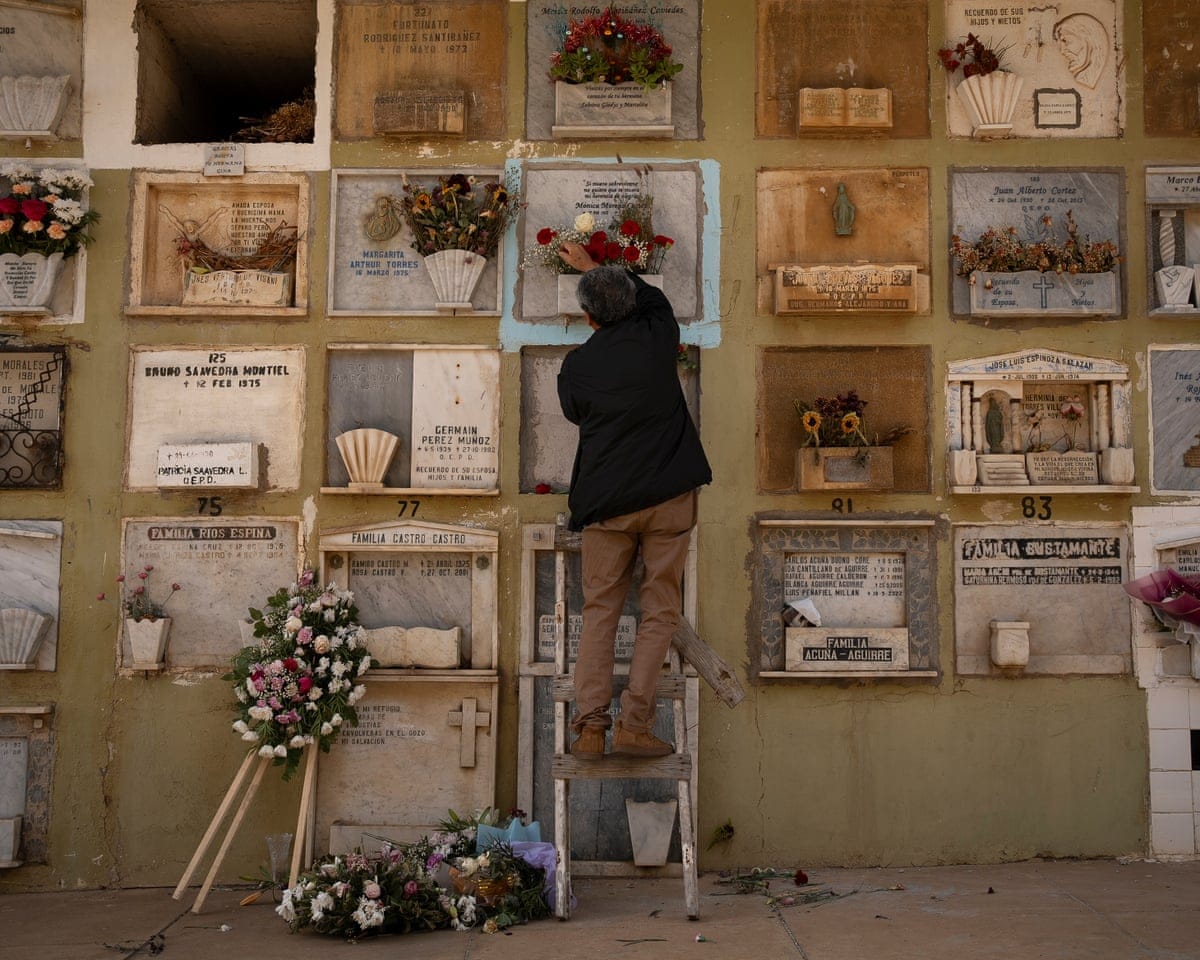
In the faint winter sunshine, forensic investigators in white suits cast long shadows as they stepped between gravestones at Playa Ancha cemetery in the Chilean coastal city of Valparaíso.
But as the rhythmic click of spades and the throb of an excavator faded, a third search for the remains of Michael Woodward reached a frustrating conclusion.
No trace has ever been found of Woodward, an Anglo-Chilean priest who is thought to have been murdered on the Esmeralda, a Chilean navy corvette which Gen Augusto Pinochet’s bloody regime used as a floating torture centre after its coup d’état on 11 September 1973.
But almost two years since the Chilean state assumed responsibility for finding the missing victims of Pinochet’s regime for the first time, cautious, methodical progress is being made.
“The fact that they managed to carve out a space for a permanent, ongoing public policy commitment is no mean feat,” said Dr Cath Collins, director of the transitional justice observatory at Diego Portales University in Santiago.
In August 2023, the National Search Plan for Truth and Justice became an official state policy. Its central aim is to search for remains or trace the final movements of 1,469 disappeared individuals, and also pursue truth, justice and more. The plan aims to centralize information and provide potential reparations for families.
In the harrowing, uncertain days after Pinochet’s coup, Miguel Woodward, known to Chilean friends as the tall, cheerful priest, was last seen in the city’s valleys.
Born in Valparaíso to an English father and Chilean mother, and educated in the UK, he returned to Chile to become a priest, joining a leftist political movement associated with socialist President Salvador Allende’s coalition government.
On the morning of 22 September 1973, Woodward was abducted from his home by a navy patrol and taken to Universidad Santa María, which had become a detention centre.
He was beaten and submerged in the campus swimming pool, before being transferred to a naval academy and then to the Esmeralda, where he is thought to have died from torture injuries.
“That’s when our search began,” said Javier Rodríguez, a 58-year-old construction worker with an unyielding determination to find the priest he knew well as a family friend.
Rodríguez founded the Friends of Miguel Woodward organisation and established a cultural centre in Woodward’s name, a small room near the priest’s former neighbourhood – a location near where a faded poster promoting the National Search Plan was visible.
“If Miguel were alive now, he would be marching for Palestine, for the Mapuche, for all injustices,” he said. “They murdered him because they were afraid of him.”
Since democracy returned to Chile in 1990, human rights cases have advanced piecemeal through the courts.
Woodward’s sister was eventually able to file a case in 2002, although it was later closed due to a lack of evidence. A collective effort to find evidence supporting the case began anew in 2018, but details of its current status were not immediately available.
Read next
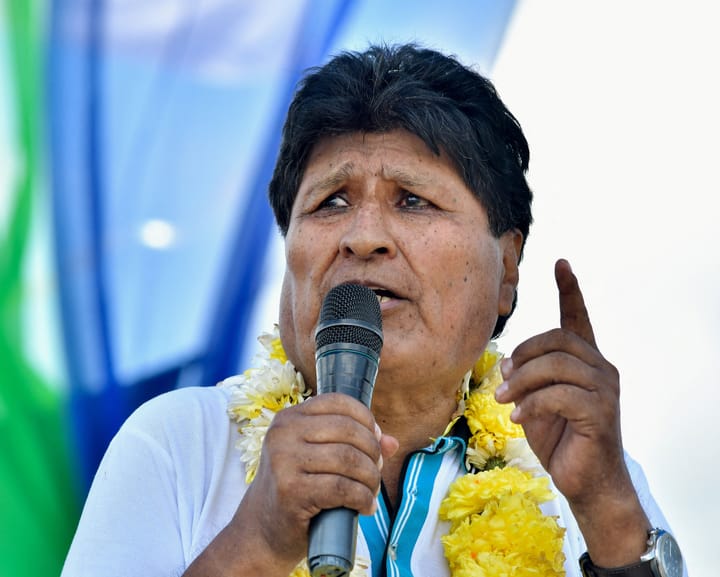
Bolivia Probes Ex-President Evo Morales for Suspected Involvement in 2009 Killings
The Bolivian attorney general has initiated an investigation into former leftist president Evo Morales, citing allegations of his involvement in the murder and torture of European nationals in 2009.
In 2009, police conducted a raid on a Santa Cruz hotel, resulting in the deaths of Eduardo Rózsa Flores, a Bolivian-
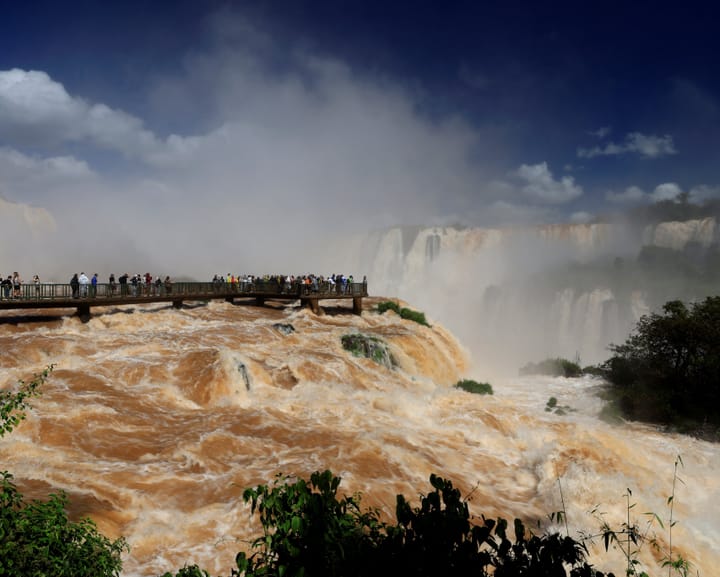
Argentina Closes Iguazu Falls Temporarily Due to El Niño-Induced Water Surge
Heavy rainfall driven by a potent El Niño weather pattern temporarily led Argentinian authorities to close tourist access to the renowned Iguazu Falls. The closure occurred due to concerns that rising water levels might cause the river to overflow its banks.
On Monday, national park officials implemented this precautionary measure
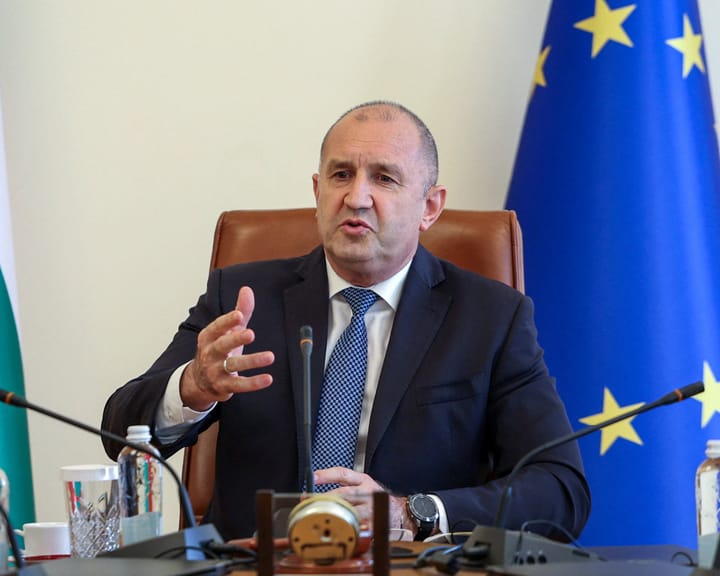
Mysterious Drones Strike Two Vessels Near Bulgarian Coast – Europe Live
Morning Update: Two Ships Targeted by Drones Off Bulgarian Coast
This morning, two ships in the Black Sea near Bulgaria were struck by drones of unknown origin. The attack led to the sinking of one vessel and initiated emergency rescue operations, as reported by Bulgarian Prime Minister Rumen Radev. Rescue