
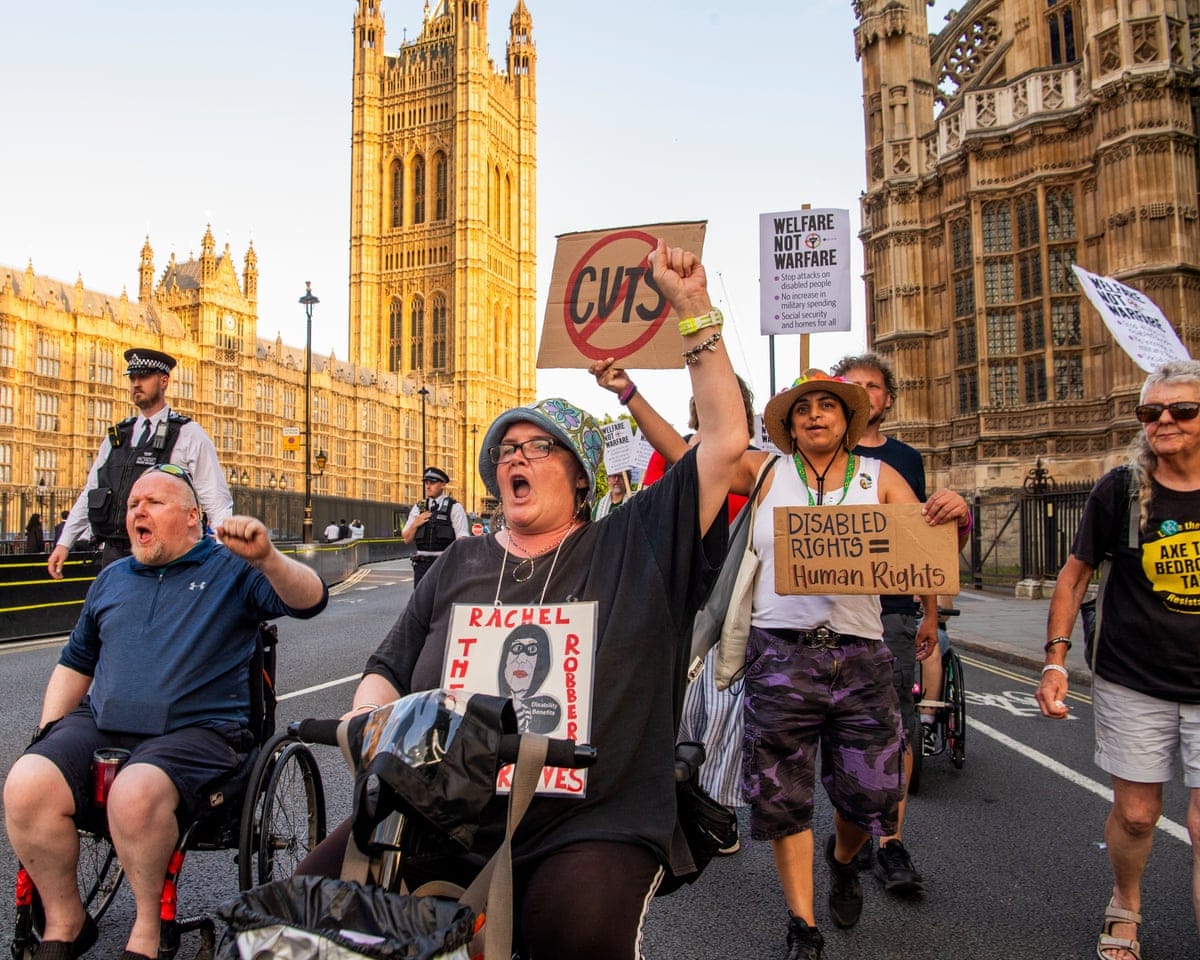
One of Keir Starmer’s senior ministers has acknowledged that the government’s retreat on welfare reforms will come with financial consequences, as a prominent economic research group suggested new tax increases may now be more probable.
Pat McFadden, the chancellor of the Duchy of Lancaster, supported Starmer and Liz Kendall, the work and pensions secretary, after a key provision was dropped from the government’s welfare legislation to secure its passage through the first Commons vote.
“Above all, we stand together,” McFadden stated in an interview with BBC Radio 4’s *Today* when questioned about Kendall’s position following the decision to abandon proposed reductions to personal independence payments (Pip) to prevent a potential defeat.
However, with projected annual savings of £5 billion from Pip adjustments now off the table, McFadden admitted this would impact budget preparations for the autumn.
“You cannot allocate the same funds twice,” he said. “I recognize there is a financial impact from yesterday’s decision, but everything will be considered when the budget is finalized.”
The universal credit and personal independence payment bill passed its second reading on Tuesday evening by 335 votes to 260, a majority of 75.
Forty-nine Labour MPs opposed the legislation—more than three times the number who rebelled last month when 16 voted against the government on amendments to the planning and infrastructure bill.
Helen Miller, the director of the Institute for Fiscal Studies, noted that the absence of savings from Pip revisions makes tax increases “more likely” in the upcoming budget, warning that Chancellor Rachel Reeves now has “very little flexibility.”
The current version of the welfare bill would generate no savings, Miller told *Today*: “By the end of this parliamentary term, the government will have saved nothing.”
With the £5 billion no longer available, along with an additional £1 billion lost due to the recent reversal on winter fuel payments, much of Reeves’s fiscal margin has disappeared, Miller added, especially if growth projections are revised downward.
Read next
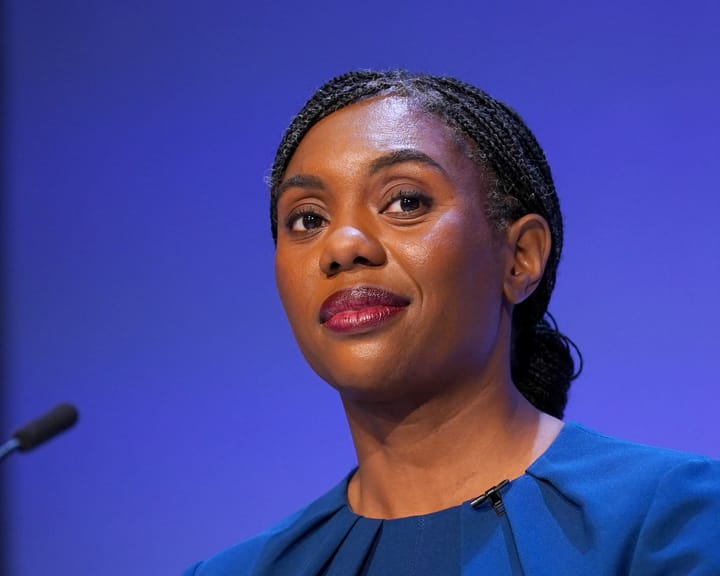
"Kemi Badenoch reshapes Tories, invoking a mix of admiration and fear"
Kemi Badenoch has been emphasizing that the Conservatives have new leadership. In a TV interview marking the end of a party conference where she was a central figure, she expanded on this notion. “Your viewers will know that sometimes you have a disappointing football team,” the Conservative leader told GB
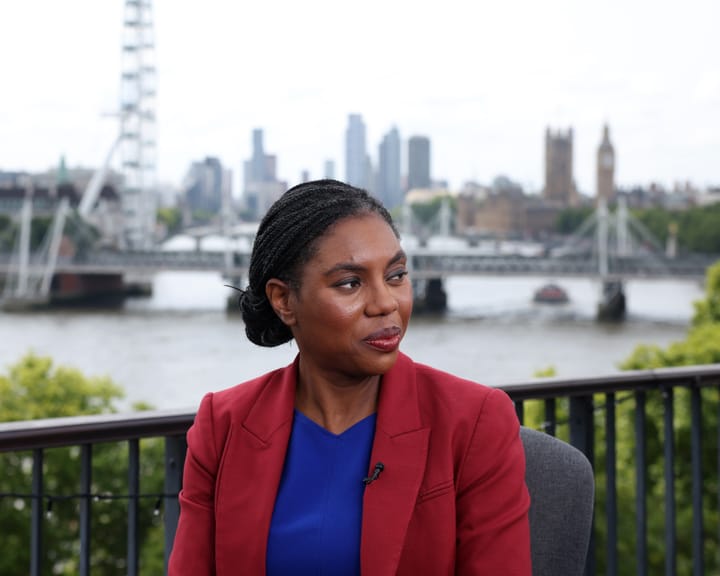
Badenoch returns to Conservative conference, markedly stronger than a year ago
A year ago, Tory MPs feared a fresh leadership revolt against Kemi Badenoch as Tories hit historic 14-16% support; November, after 12 months, was hushed: decisive challenge month. Yet, despite poor polls, “Keminisation” saw her impose style and authority.
More in Common’s Luke Tryl, director, said Badenoch holds

UK sanctions plan on illegal Israeli settlements faces criticism from US, Israel and British MPs
Today, with the agreement of Prime Minister Netanyahu, Israeli officials announced a series of countermeasures in response to new sanctions declared by the British foreign secretary of the Labour government, following a sequence of anti-Israel decisions by the same administration.
The accusations leveled today by the Labour foreign secretary,