
Seoul Residents Face Swarms of "Lovebugs" as Climate Shifts Push Insects North
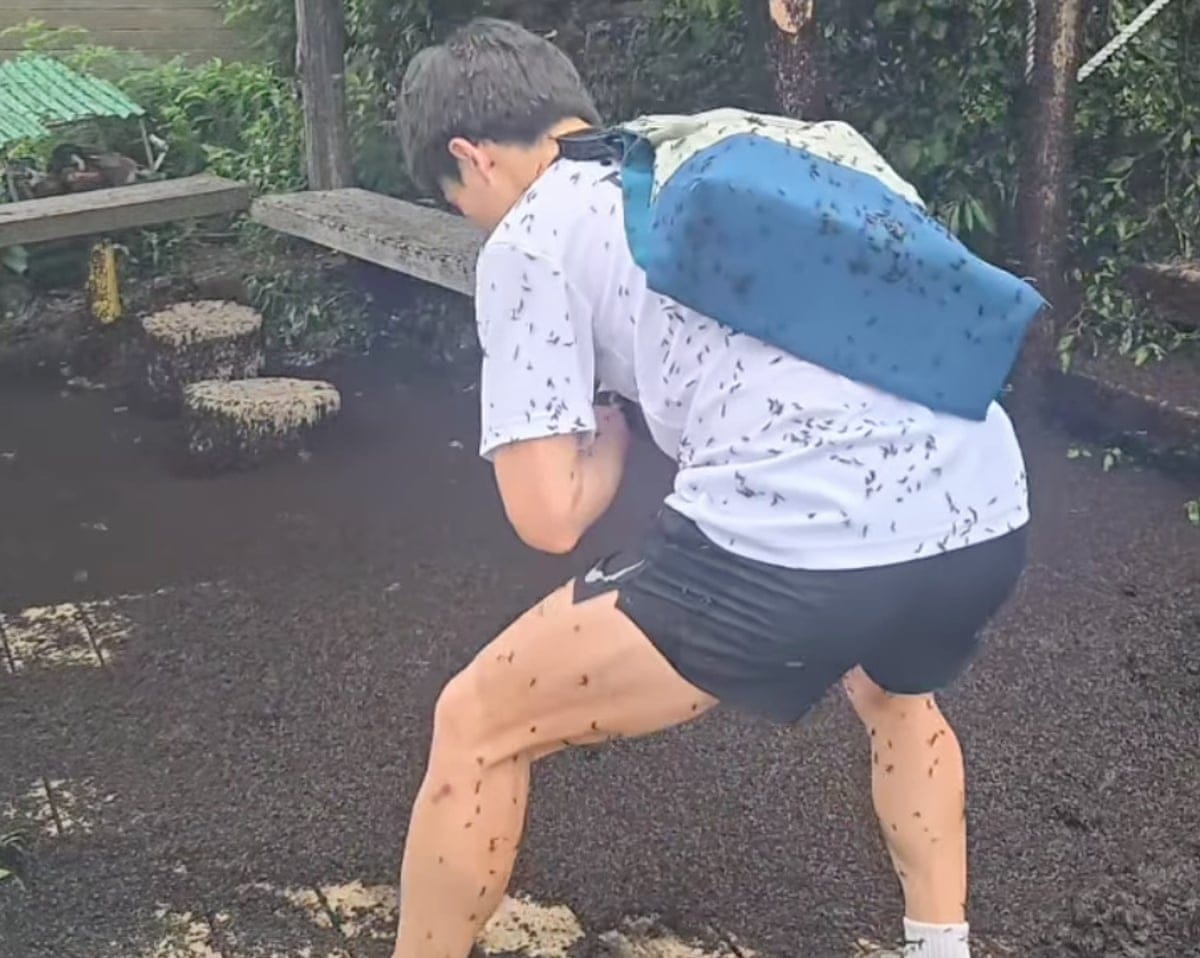
People in Seoul are dealing with an influx of "lovebugs," which have overtaken hiking trails and parts of the city. Experts disagree on how to manage the growing infestations, which are spreading farther north due to changing climate conditions.
Videos circulating online depict trails and viewing areas on Gyeyangsan Mountain in Incheon, near Seoul, covered in dense clusters of the insects.
Scientifically known as *Plecia longiforceps*, the bugs are nicknamed for their tendency to fly in pairs while mating. Males live for three to four days, while females survive about a week, laying hundreds of eggs in damp soil before dying.
Originally from subtropical regions in southeastern China, Taiwan, and Japan’s Ryukyu Islands, the bugs were first documented in South Korea during a major appearance in 2022.
Warmer weather and urban expansion near mountain habitats are believed to be aiding their spread into temperate zones. Experts say Seoul’s higher temperatures, amplified by the urban heat effect, make the city a favorable environment for them.
Reports to city officials jumped from 4,418 in 2023 to 9,296 last year. Incheon recorded over 100 complaints in just one day this year.
The surge has sparked debate over how to respond without causing broader harm.
“They may look unpleasant, but they serve a useful purpose,” city officials stated, cautioning that widespread pesticide use could harm other species and people. The insects help pollinate plants, and their larvae break down organic material in soil.
Lovebugs are not dangerous—they don’t bite, spread illness, or consume much as adults.
Authorities suggest washing bugs off surfaces with water, using light traps or sticky pads near outdoor lighting, and wearing dark clothing since the insects are drawn to bright colors and lights.
However, public frustration is growing. A city survey found 86% of residents view them as pests, ranking them third-worst after cockroaches and bedbugs, despite their ecological role.
Researchers are said to be developing targeted fungal pesticides to reduce harm to other wildlife. Birds like magpies and sparrows have also started feeding on the bugs, helping lower numbers in some areas.
The outbreaks typically fade by mid-July, as the bugs’ short lifespan leads to a quick population decline after roughly two weeks of peak activity.
Read next

Bolivia Probes Ex-President Evo Morales for Suspected Involvement in 2009 Killings
The Bolivian attorney general has initiated an investigation into former leftist president Evo Morales, citing allegations of his involvement in the murder and torture of European nationals in 2009.
In 2009, police conducted a raid on a Santa Cruz hotel, resulting in the deaths of Eduardo Rózsa Flores, a Bolivian-

Argentina Closes Iguazu Falls Temporarily Due to El Niño-Induced Water Surge
Heavy rainfall driven by a potent El Niño weather pattern temporarily led Argentinian authorities to close tourist access to the renowned Iguazu Falls. The closure occurred due to concerns that rising water levels might cause the river to overflow its banks.
On Monday, national park officials implemented this precautionary measure

Mysterious Drones Strike Two Vessels Near Bulgarian Coast – Europe Live
Morning Update: Two Ships Targeted by Drones Off Bulgarian Coast
This morning, two ships in the Black Sea near Bulgaria were struck by drones of unknown origin. The attack led to the sinking of one vessel and initiated emergency rescue operations, as reported by Bulgarian Prime Minister Rumen Radev. Rescue