
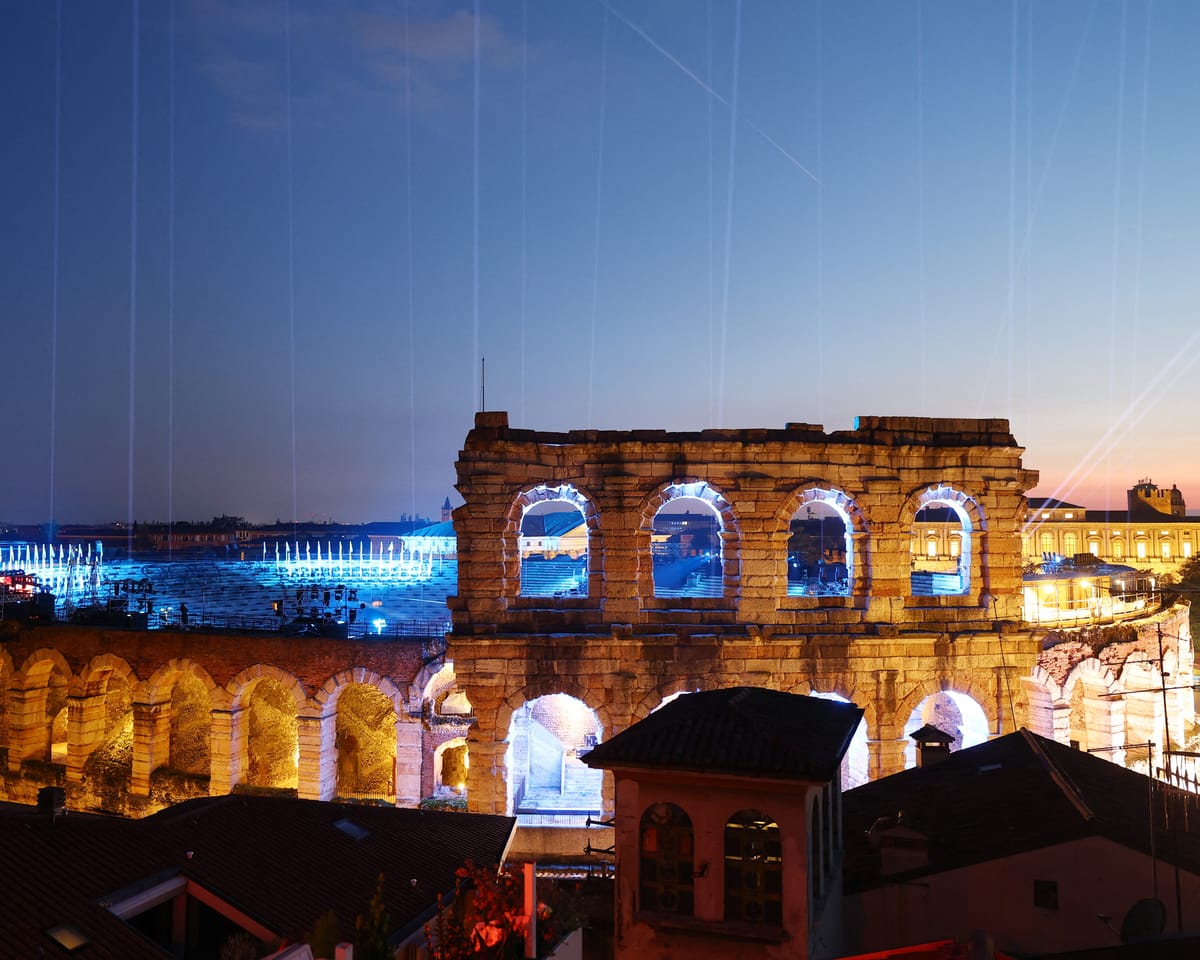
Seven countries together with the British government will abstain from the Winter Paralympics opening ceremony to protest the participation of Russian and Belarusian competitors, officials said.
The International Paralympic Committee (IPC) announced that the Czech Republic, Estonia, Finland, Latvia, Lithuania, Poland and Ukraine will not dispatch athletes or officials to the Friday‑night ceremony.
Other states – among them the United Kingdom – have also indicated they will not send sporting delegations because the competition is about to begin. The IPC currently estimates that fewer than 60 % of the nations entered will field a complete team at the historic Arena di Verona.
The British government confirmed that no representatives will attend and restated its objection to Russian athletes competing under their own flag. “We have made clear that Russia and Belarus should not be represented in international sport while the brutal full‑scale invasion of Ukraine continues,” a spokesperson said. The statement added that sport minister Stephanie Peacock would travel to Cortina “solely to support the British Paralympic athletes.”
Andrew Parsons, president of the IPC, was compelled on the eve of the Games to justify the decision to permit Russian athletes to compete under their national flag for the first time since 2014. Russia and Belarus had been barred from the 2022 Paralympics after the Ukraine invasion. At the same time, uncertainty grows over the involvement of nations entangled in the conflict sparked by the United States and Israel against Iran last week.
“Our primary aim is to assist all participants arriving and to prepare for a successful Winter Paralympic Games,” Parsons said. “We are working with Milano‑Cortina to ensure the event remains a platform that advances the rights of the world’s 1.3 billion people with disabilities.”
Parsons defended the resolution adopted by the IPC General Assembly last September as consistent with democratic practice. “I recognise that the decision has not been welcomed everywhere,” he said. “But the IPC is a democratic global body, and any suspension of members is decided by its constituents.”
He noted that September marked the third assembly vote on the issue. In 2022 the outcome was a full suspension, in 2023 a partial suspension, and in 2025 no suspension. “Each time the IPC has honoured and applied the verdict of our member organisations, as required by our constitution. We cannot select when to be democratic.”
Regarding the Middle‑East conflict, the IPC said it would not comment on the possibility that individual nations might be unable to compete, while Parsons added, “Our thoughts are with those affected.”
Parsons said the IPC is “closely monitoring the situation and continues to gather, verify and evaluate the information available.”
Read next
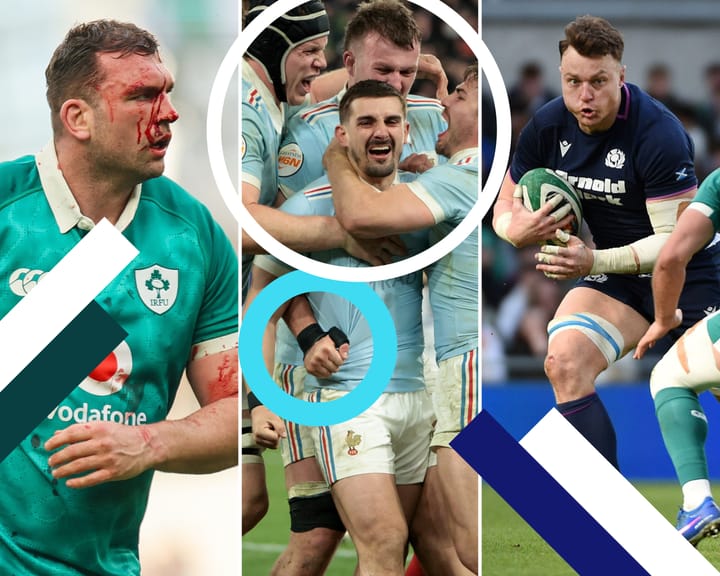
Choosing the Top XV of the 2026 Six Nations, from Ramos to Carré
15. Thomas Ramos France
Combines the flair of Mike Brown with the elegance of Thomas Castaignède, plus Jonny Wilkinson‑level precision. There was never any question that he would slot the decisive winning penalty in Paris, just as he did against England in Lyon two seasons ago. At 30, he

Sporting's dramatic comeback halts Bodø/Glimt's Champions League campaign
Sporting produced a dramatic reversal to defeat Bodø/Glimt 5‑0 after extra time, securing a place in the Champions League quarter‑finals with a 5‑3 aggregate win in the last‑16 round.
After falling 3‑0 behind from the first‑leg encounter in Norway, Sporting pressed from the
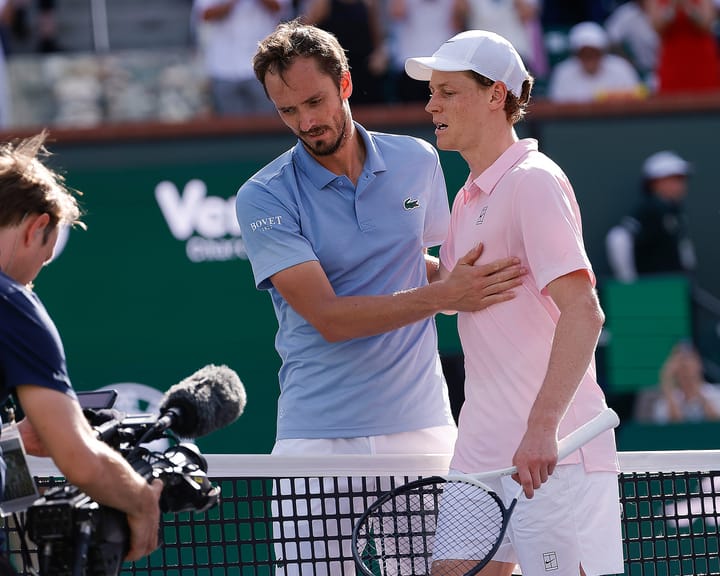
Seasoned players pose a timely threat to the Sinner‑Alcaraz dominance.
During the tentative opening of his Indian Wells semi‑final against Carlos Alcaraz, Daniil Medvedev quickly signaled his purpose. After taking a 3‑1 advantage, he retrieved a characteristic Alcaraz drop shot, then a lob, and sealed the rally with a razor‑flat inside‑out backhand that landed on the