
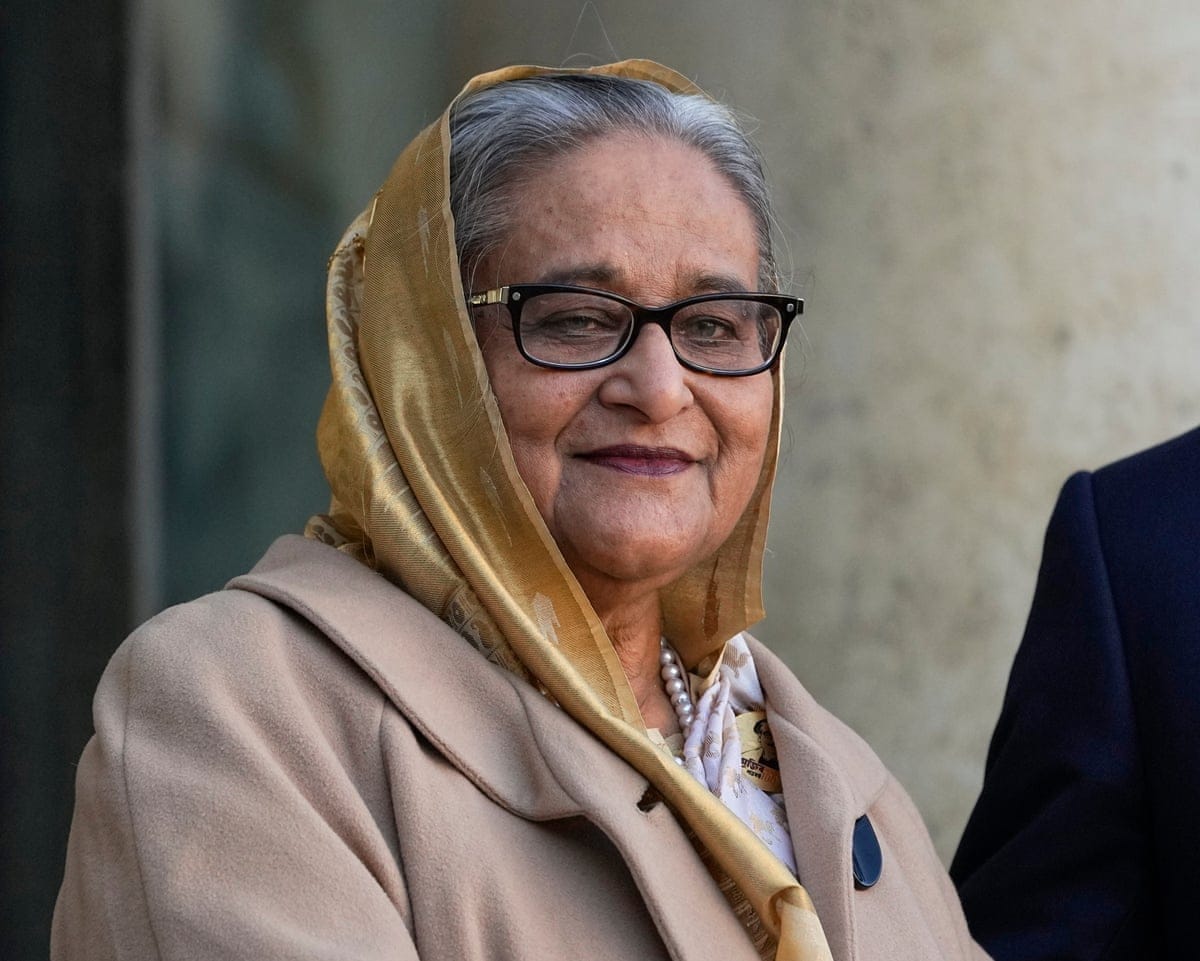
Bangladesh’s former leader Sheikh Hasina has been formally accused of crimes against humanity over allegations that she ordered a violent response to protests last year, resulting in over 1,400 deaths.
Hasina, who left the country on 5 August last year, was charged in absentia by a judicial panel on Thursday. She remains abroad, reportedly in India, and has not responded to official requests for her return.
Authorities have spent months preparing evidence for a trial concerning alleged crimes during her 15-year rule, including the lethal suppression of student-led demonstrations against her government in July last year.
The judicial panel, known as the International Crimes Tribunal, formally charged Hasina, her former interior minister Asaduzzaman Khan, and ex-police chief Chowdhury Abdullah al-Mamun with five counts, including crimes against humanity.
Prosecutors claim Hasina orchestrated and directed the violent crackdown on protesters, which ultimately contributed to her government’s collapse.
Rights organizations have documented widespread use of lethal force by security forces, leading to numerous deaths, along with mass arrests in an effort to quell dissent.
Legal representatives have cited leaked audio recordings and documents as evidence that Hasina directly ordered the deadly measures before fleeing the country.
Hasina’s party, the Awami League, rejected the charges, calling the tribunal politically motivated. The body was originally established by Hasina in 2009 to investigate crimes from Bangladesh’s 1971 independence war.
“We strongly denounce these accusations, which we see as part of a broader campaign against our party,” the group stated in a social media post.
The tribunal has issued multiple arrest warrants for Hasina. Earlier this month, she was also sentenced to six months in jail for contempt of court after a leaked recording allegedly captured her making inflammatory remarks.
The trial on crimes against humanity is set to begin on 3 August. Prosecutors noted that al-Mamun has admitted guilt and agreed to testify against others.
It is uncertain whether Hasina will be compelled to return to Bangladesh to face the allegations, which also include corruption. The current government, led by Mohammad Yunus, has confirmed sending multiple extradition requests to India, but no response has been received.
Yunus’s administration has criticized India for providing refuge to Hasina, who was politically aligned with Delhi while in power, and allowing her to make what they call "misleading statements" aimed at disrupting stability.
Read next
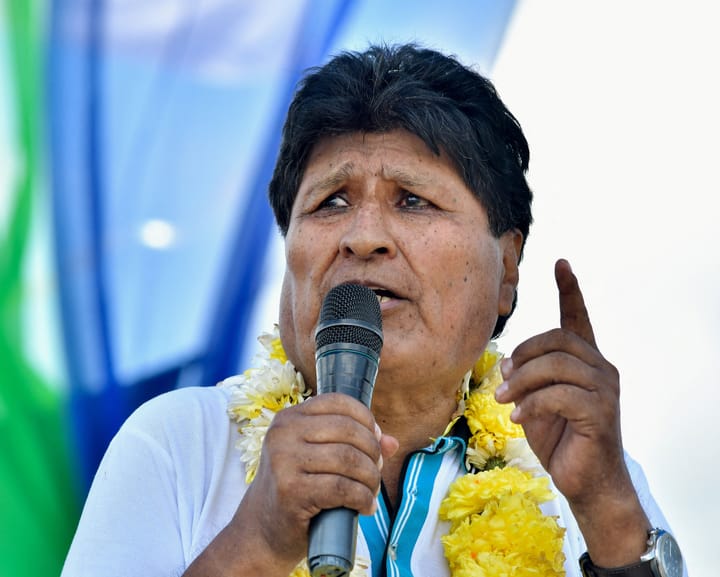
Bolivia Probes Ex-President Evo Morales for Suspected Involvement in 2009 Killings
The Bolivian attorney general has initiated an investigation into former leftist president Evo Morales, citing allegations of his involvement in the murder and torture of European nationals in 2009.
In 2009, police conducted a raid on a Santa Cruz hotel, resulting in the deaths of Eduardo Rózsa Flores, a Bolivian-

Argentina Closes Iguazu Falls Temporarily Due to El Niño-Induced Water Surge
Heavy rainfall driven by a potent El Niño weather pattern temporarily led Argentinian authorities to close tourist access to the renowned Iguazu Falls. The closure occurred due to concerns that rising water levels might cause the river to overflow its banks.
On Monday, national park officials implemented this precautionary measure
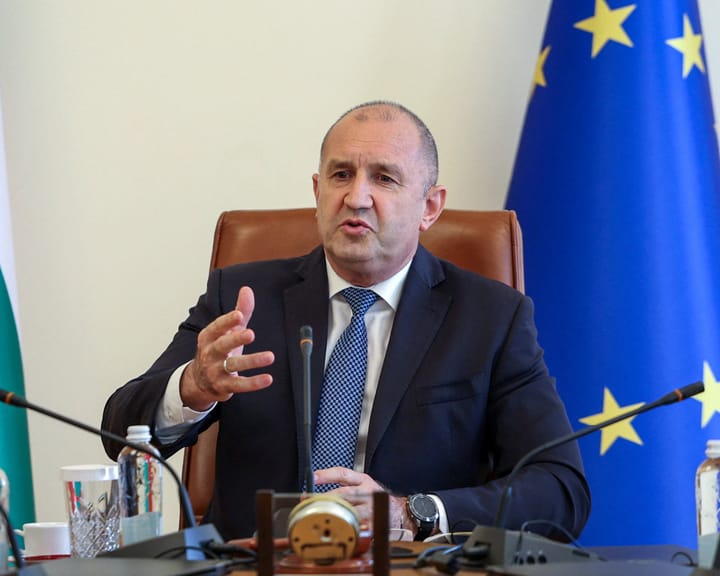
Mysterious Drones Strike Two Vessels Near Bulgarian Coast – Europe Live
Morning Update: Two Ships Targeted by Drones Off Bulgarian Coast
This morning, two ships in the Black Sea near Bulgaria were struck by drones of unknown origin. The attack led to the sinking of one vessel and initiated emergency rescue operations, as reported by Bulgarian Prime Minister Rumen Radev. Rescue