
Shell Reports 32% Drop in Quarterly Profits Amid Lower Oil and Gas Prices
Shell’s earnings fell by nearly a third in the last quarter as the company faced declining revenue from oil and gas operations.
The energy group reported adjusted earnings of $4.26 billion for the second quarter of the year, down 32% from the $6.29 billion recorded in the same period in 2024 when energy prices were higher. The results surpassed initial expectations of a steeper decline to $3.7 billion.
The company cited reduced trading and pricing margins, along with lower oil and gas prices, as key reasons for the drop. By late June, Brent crude was trading below $68 per barrel, down from over $86 a year earlier.
Despite the profit decline and rising debt, Shell continues returning funds to investors through share buybacks, announcing plans to repurchase $3.5 billion in shares during the third quarter.
Shell’s chief executive, Wael Sawan, stated that the company maintained a strong performance despite a challenging market.
“Our focus on efficiency and streamlining has led to $3.9 billion in cost reductions since 2022, mostly through non-portfolio measures,” he said. “This allows us to proceed with $3.5 billion in buybacks over the next three months—the 15th straight quarter with buybacks exceeding $3 billion.”
Shell’s net debt rose to $43.21 billion in the second quarter, up from $38.3 billion a year earlier.
An analyst noted that recent increases in oil prices could improve Shell’s financial results in the coming months.
“Shell’s second-quarter earnings were impacted by lower commodity prices, weaker trading conditions, and unexpected downtime at its chemical plants,” the analyst said.
Shares in Shell climbed 2.5% to £27.45 in early trading.
The company’s profits remain a point of contention for environmental activists, particularly after it revised its climate targets last year.
“We face a new reality of extreme heat, driven by companies like Shell,” said a representative of an environmental group that protested outside Shell’s headquarters. “This threatens lives and could lead to irreversible damage. Scientists warn that unchecked climate change may severely disrupt civilization by 2100. Profits should not come at such a cost.”
Read next
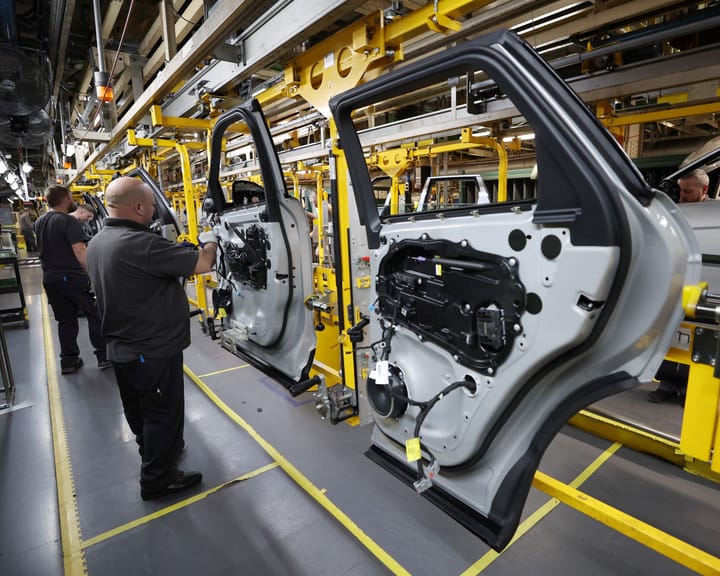
Jaguar Land Rover suppliers voice ‘everything is against us’ amid cutbacks
David Roberts, chair of Coventry-based Evtec, says the outlook for Britain’s automotive sector is grim, with “everything against us.” Evtec is a tier 1 supplier to Jaguar Land Rover, which this week announced 4,000 job cuts over two years despite chancellor John Healey’s attempt to talk
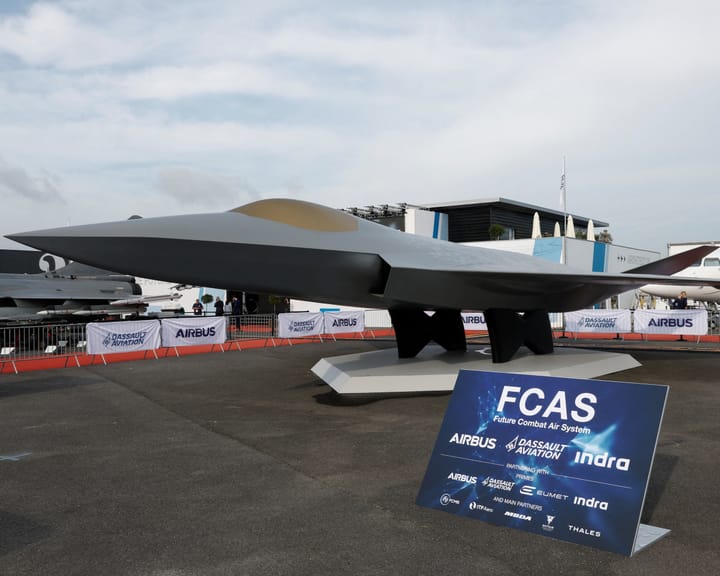
Europe’s fighter jet plans in disarray: what comes next?
When former ECB president and Italian PM Mario Draghi urged Europe to catch up economically with the US and China, defence collaboration was prescribed. No more should each nation build independent boats, tanks or jets; allies should share costs and technologies.
Europe stumbled at the first hurdle. German Chancellor Friedrich
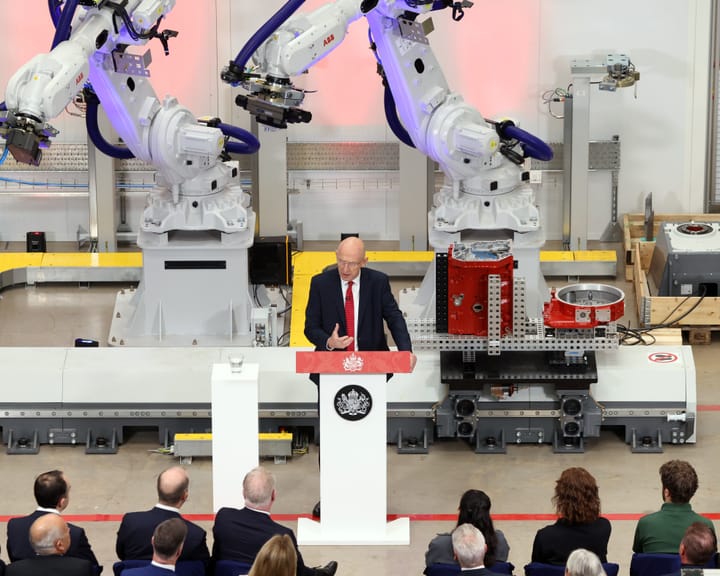
John Healey supports growth but insists Labour must be truthful about spending
John Healey has stated that his primary goal as chancellor will be to boost economic growth, while acknowledging that Labour must be straightforward about controlling public spending at next month's budget.
In his first major address since assuming the role in July, Healey said the leading focus of