
Shell Cancels Biofuels Plant Construction in the Netherlands
Shell has halted plans to build a biofuels facility in the Netherlands, abandoning what would have been one of Europe’s largest projects converting waste into sustainable aviation fuel.
The company suspended construction at the site in July 2023 due to technical issues and later determined that restarting the project would not be economically viable, as the plant failed to meet expectations for cost-competitive low-carbon solutions.
This decision follows a similar move in March 2023, when Shell scrapped a sustainable aviation fuel (SAF) project on Singapore’s Bukom Island. The Rotterdam cancellation reflects broader challenges in the energy sector, where fossil fuel companies are scaling back renewable investments in favor of more profitable ventures.
Last year, Shell also revised a key emissions target, lowering its plan to reduce carbon intensity by 15-20% by 2030, down from an earlier 20% goal.
Construction on the Rotterdam facility began in 2021, with initial projections to produce up to 820,000 tons of biofuels annually by April 2024. However, the timeline was later extended to 2025 before the project was abandoned entirely.
Machteld de Haan, Shell’s head of downstream, renewables, and energy solutions, stated: “After assessing market conditions and completion costs, we concluded that this project would not be competitive enough to meet demand for affordable, low-carbon solutions. This was a difficult but necessary decision as we focus investments on projects that align with customer needs and shareholder value.”
She emphasized that Shell continues to support biofuels as part of the future energy system and remains a leading global supplier, including in sustainable aviation fuel.
The Rotterdam plant had been expected to allocate roughly half its output to SAF, derived from waste oils and animal fats.
Read next
Jaguar Land Rover suppliers voice ‘everything is against us’ amid cutbacks
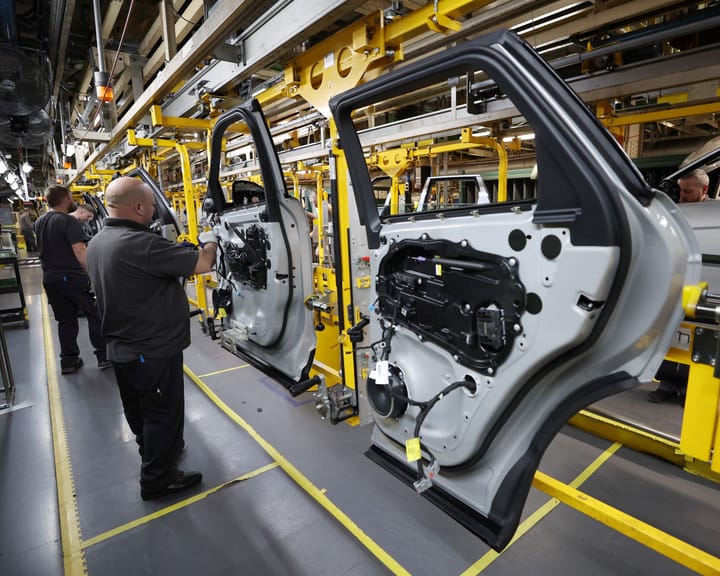
David Roberts, chair of Coventry-based Evtec, says the outlook for Britain’s automotive sector is grim, with “everything against us.” Evtec is a tier 1 supplier to Jaguar Land Rover, which this week announced 4,000 job cuts over two years despite chancellor John Healey’s attempt to talk
Europe’s fighter jet plans in disarray: what comes next?
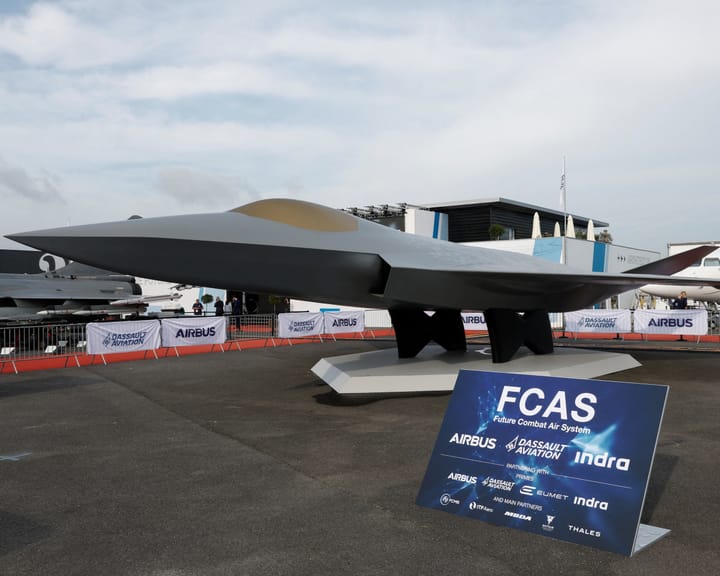
When former ECB president and Italian PM Mario Draghi urged Europe to catch up economically with the US and China, defence collaboration was prescribed. No more should each nation build independent boats, tanks or jets; allies should share costs and technologies.
Europe stumbled at the first hurdle. German Chancellor Friedrich
John Healey supports growth but insists Labour must be truthful about spending
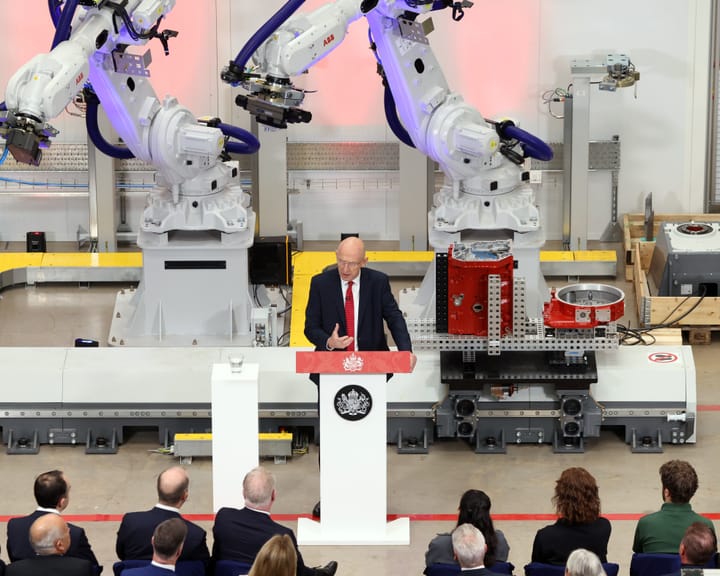
John Healey has stated that his primary goal as chancellor will be to boost economic growth, while acknowledging that Labour must be straightforward about controlling public spending at next month's budget.
In his first major address since assuming the role in July, Healey said the leading focus of