

G Young Soo began his career at an insurance company at 23, working his way up over three decades to become a branch director. Now nearing his 60th birthday, he has seen his salary steadily reduced by his employer.
Under South Korea’s “peak wage” policy, his earnings were cut by 20% at age 56, followed by an additional 10% reduction each year. By the time he is required to retire next year, he will earn just 52% of his original salary, despite maintaining the same workload.
“This is unfair,” he said, describing the policy as age-related discrimination.
D Young Sook, a 59-year-old nurse facing forced retirement after 36 years, shares his frustration.
“I can’t imagine leaving this place,” she said. “It feels like being left alone on an uncertain path.”
Their stories, based on interviews conducted for a Human Rights Watch (HRW) report, highlight how employment policies in South Korea pressure older employees into lower-paying, less stable jobs.
The report found that millions of workers are forced to retire at 60, with salaries significantly reduced under the peak wage system beforehand.
While companies can decide whether to enforce a retirement age, government data shows 95% of firms with over 300 employees do so, usually setting it at 60. This affects 3.1 million workers. Smaller businesses, facing labor shortages, are less likely to impose such rules.
The peak wage policy was intended to redirect savings from senior staff pay cuts toward hiring younger employees, theoretically increasing productivity.
However, it has instead contributed to South Korea’s high elderly poverty rate—38% of people over 65 live below the poverty line. Workers over 60 earn 29% less on average than younger colleagues, with nearly 70% in unstable employment.
Bridget Sleap, the report’s author, stated that such policies fail to protect workers as intended.
“They prevent older employees from continuing in their primary jobs, reduce their pay, and push them into insecure roles—all based on age,” she said. “The government should not penalize workers simply for aging.”
## Growing Calls to Raise the Retirement Age
The report emerges amid increasing pressure to extend the retirement age in South Korea, sparking widespread debate.
With the world’s lowest birth rate and rapid population aging, economic concerns are mounting. The national pension fund, among the largest globally, could be depleted within decades without significant reform.
During his campaign, President Lee Jae Myung proposed gradually raising the mandatory retirement age to 65, aiming to bridge the gap before pension eligibility. The idea has gained some institutional support.
Read next
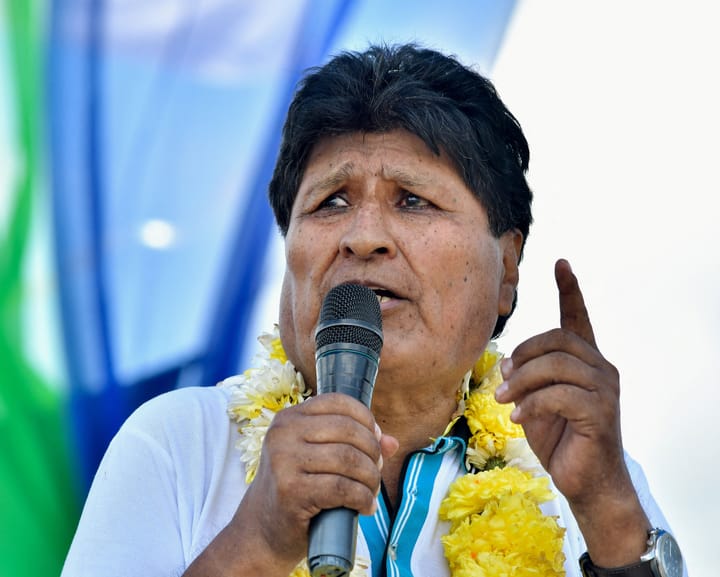
Bolivia Probes Ex-President Evo Morales for Suspected Involvement in 2009 Killings
The Bolivian attorney general has initiated an investigation into former leftist president Evo Morales, citing allegations of his involvement in the murder and torture of European nationals in 2009.
In 2009, police conducted a raid on a Santa Cruz hotel, resulting in the deaths of Eduardo Rózsa Flores, a Bolivian-
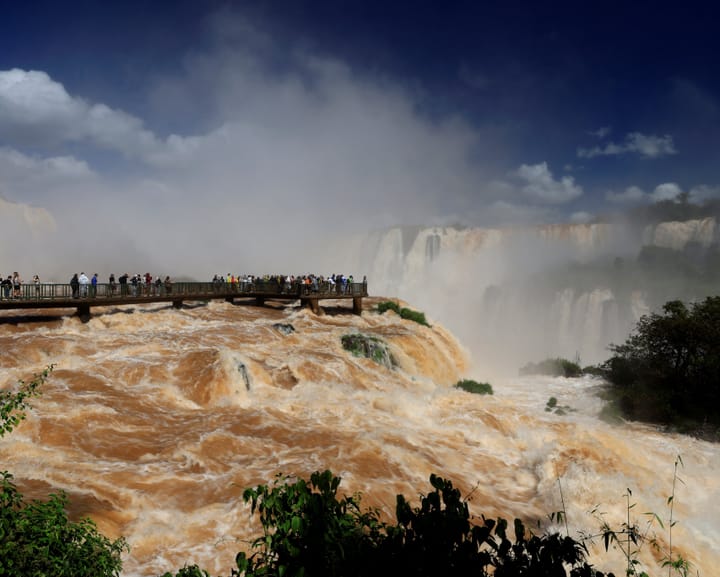
Argentina Closes Iguazu Falls Temporarily Due to El Niño-Induced Water Surge
Heavy rainfall driven by a potent El Niño weather pattern temporarily led Argentinian authorities to close tourist access to the renowned Iguazu Falls. The closure occurred due to concerns that rising water levels might cause the river to overflow its banks.
On Monday, national park officials implemented this precautionary measure
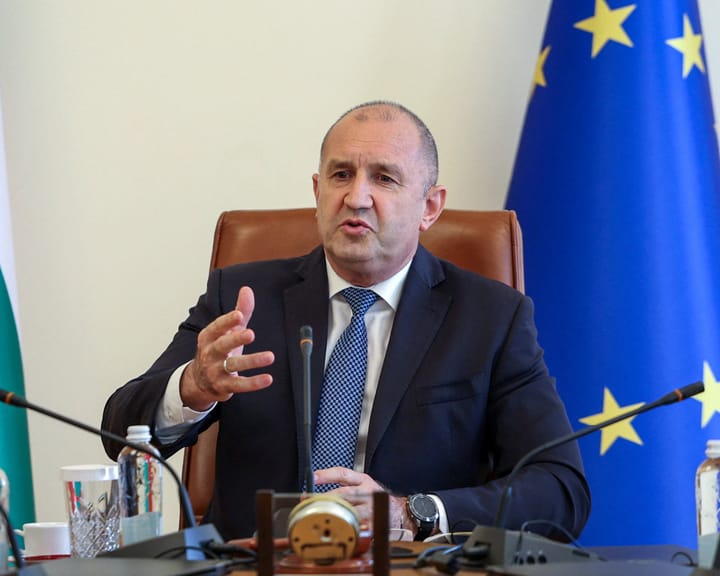
Mysterious Drones Strike Two Vessels Near Bulgarian Coast – Europe Live
Morning Update: Two Ships Targeted by Drones Off Bulgarian Coast
This morning, two ships in the Black Sea near Bulgaria were struck by drones of unknown origin. The attack led to the sinking of one vessel and initiated emergency rescue operations, as reported by Bulgarian Prime Minister Rumen Radev. Rescue