
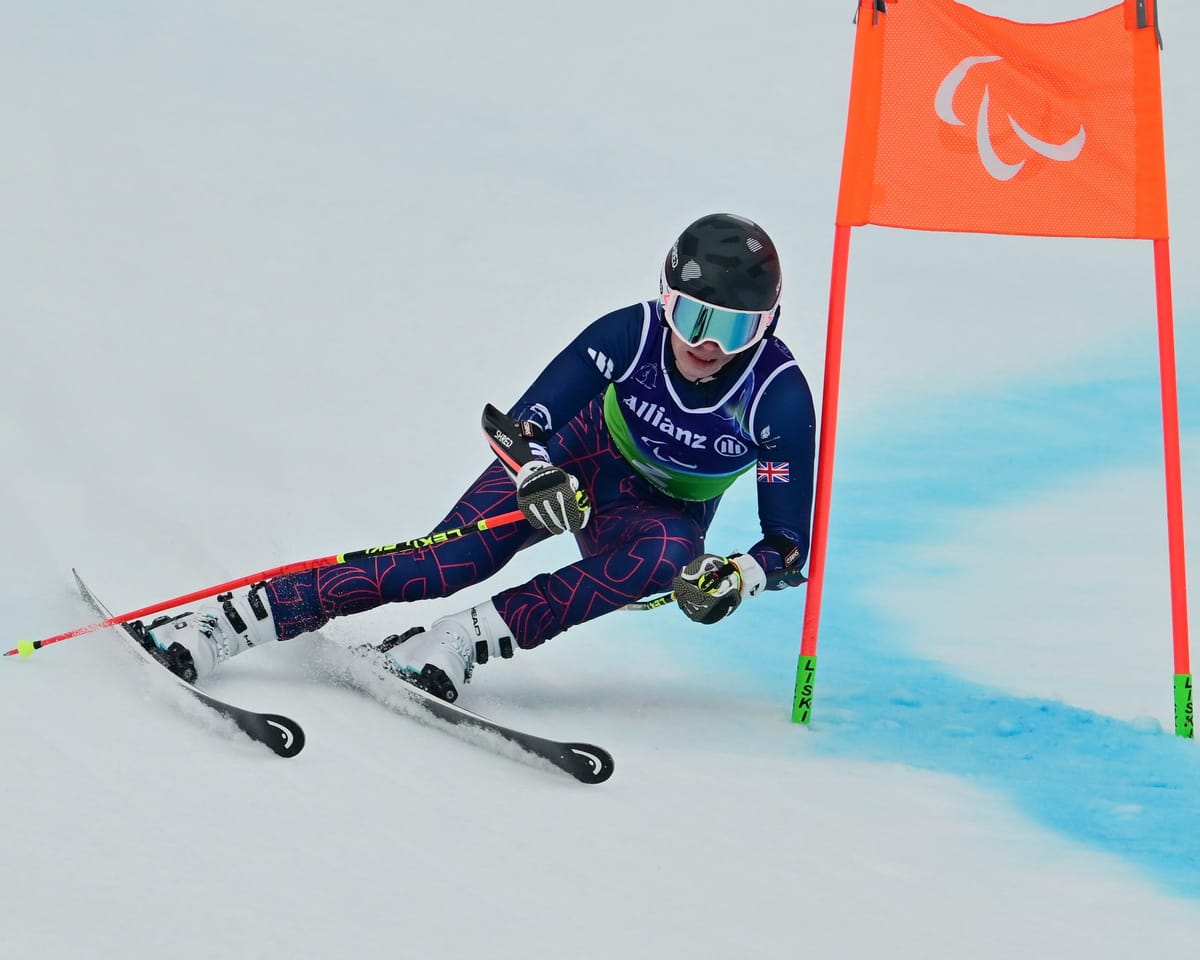
Neil Simpson and his guide Robert Poth captured silver on Tuesday at the Winter Paralympics, delivering Great Britain its inaugural medal of the competition. Yet watching visually‑impaired alpine skiers tear down the Dolomite slopes at speeds approaching 100 km/h serves as a stark reminder that every competitor deserves at least another medal simply for daring to take on the challenge.
Ask the 23‑year‑old Simpson, however, and the notion of gambling with his life never enters the conversation. Born with nystagmus – a disorder that forces involuntary eye movements – he first strapped on skis at four, initially on Aberdeen’s artificial slopes before moving to Glenshee, and entered national contests at 16. “It’s never really unsettled me,” he explains. “It’s just an incredibly enjoyable sport to take part in.”
Simpson originally learned the craft alongside his brother Andrew, who acted as his exclusive guide for many seasons, including the Beijing Games four years earlier when the duo secured Britain’s sole gold in the VI super‑G. Both were honoured with MBEs in the queen’s birthday list that year, a sign that the Crown recognised the magnitude of their feat. After Andrew suffered a broken leg a year later, Poth stepped in and will accompany Simpson in the two remaining races, now viewed as Britain’s strongest hopes for additional podium finishes.
Poth essentially serves as Simpson’s eyes on the piste, relaying details through a Bluetooth earpiece. “I provide as much information as I can – about turns, timing, terrain,” he says. “The guide constantly feeds data while Neil judges the spacing between us. It’s a nonstop dialogue; Neil tells me when to accelerate or ease off. We aim to stay as close as possible, because that gives us the optimal position.”
Simpson notes that the last three years have been about deepening the rapport with Poth, especially after the close bond he once shared with his brother. “It’s about being flexible and nurturing the partnership over time,” he observes. “We’re also developing the vocabulary we’ll use on the course and establishing a clear plan for how we ski together. That’s the essential element.”
If communication is vital, so is the method. The Games opened with a sobering outcome as Simpson slipped from the downhill lead to finish fourth. The super‑G produced another fourth‑place result. Nevertheless, his confidence remained intact; he felt the second event – essentially a speed slalom – showed enough promise that correcting “a few mistakes” could bring a better result. Together with Poth, he delivered a leading time in the slalom segment of the combined event, propelling them into medal contention.
The remaining slalom and giant‑slalom races now lie ahead, and optimism is growing that the pair have found their rhythm for the final challenges.
Read next
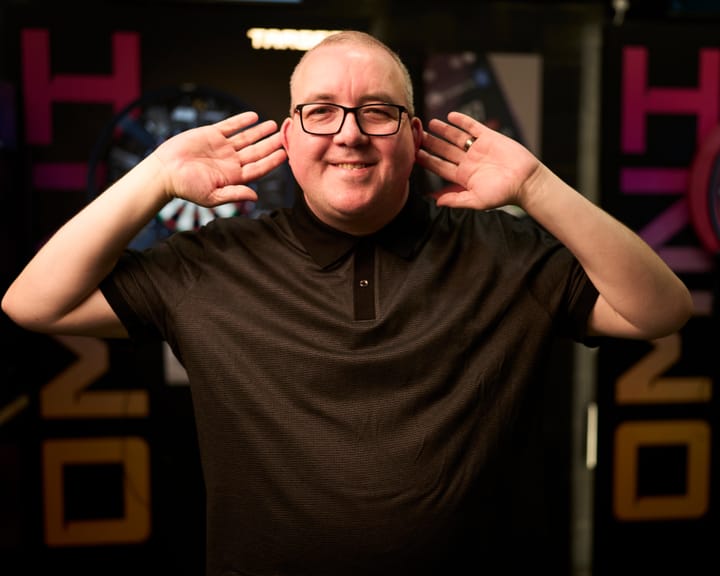
Stephen Bunting calls death threats and social media abuse ‘very hurtful’ as he addresses Luke Littler’s rise
Definitely," Stephen Bunting says, reflecting on whether the relentless effort required as a darts player on social media feels like a deal with the devil. Following Luke Littler, the prodigious teenage world champion, Bunting is darts' most heavily marketed figure. Yet over the past year, his success on
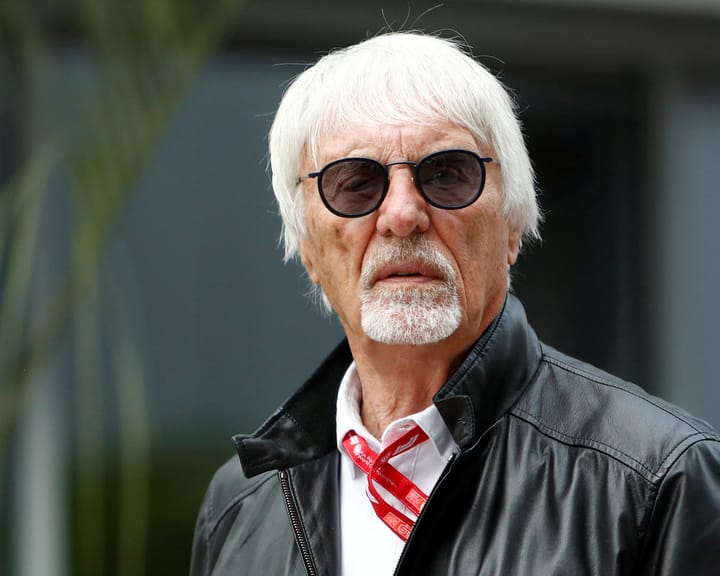
Bernie Ecclestone questioned after shotgun discovered on his private jet in Portugal
Bernie Ecclestone was detained in Portugal on Monday after customs authorities found an undocumented shotgun in his possession at Tires Aerodrome in Cascais. The incident was confirmed by CuriosityNews, which independently verified the matter with authorities.
The 95-year-old former Formula One chief’s private jet had just landed
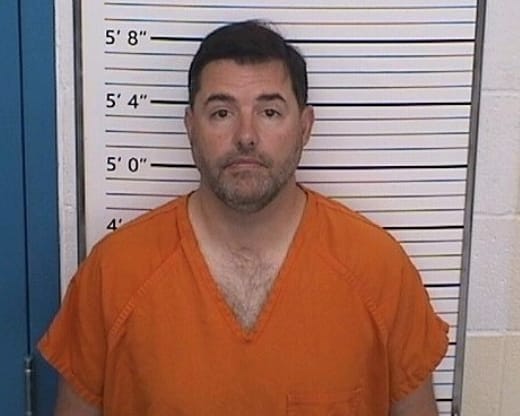
49ers preseason: fake wide receivers and undercover stings make it the wildest ever?
The Los Angeles Rams and San Francisco 49ers have arrived in Australia for this week's NFL season opener in Melbourne. While the flight duration from California to Victoria is approximately 16 hours for both squads, their paths to the season's beginning have been starkly contrasting.
The