
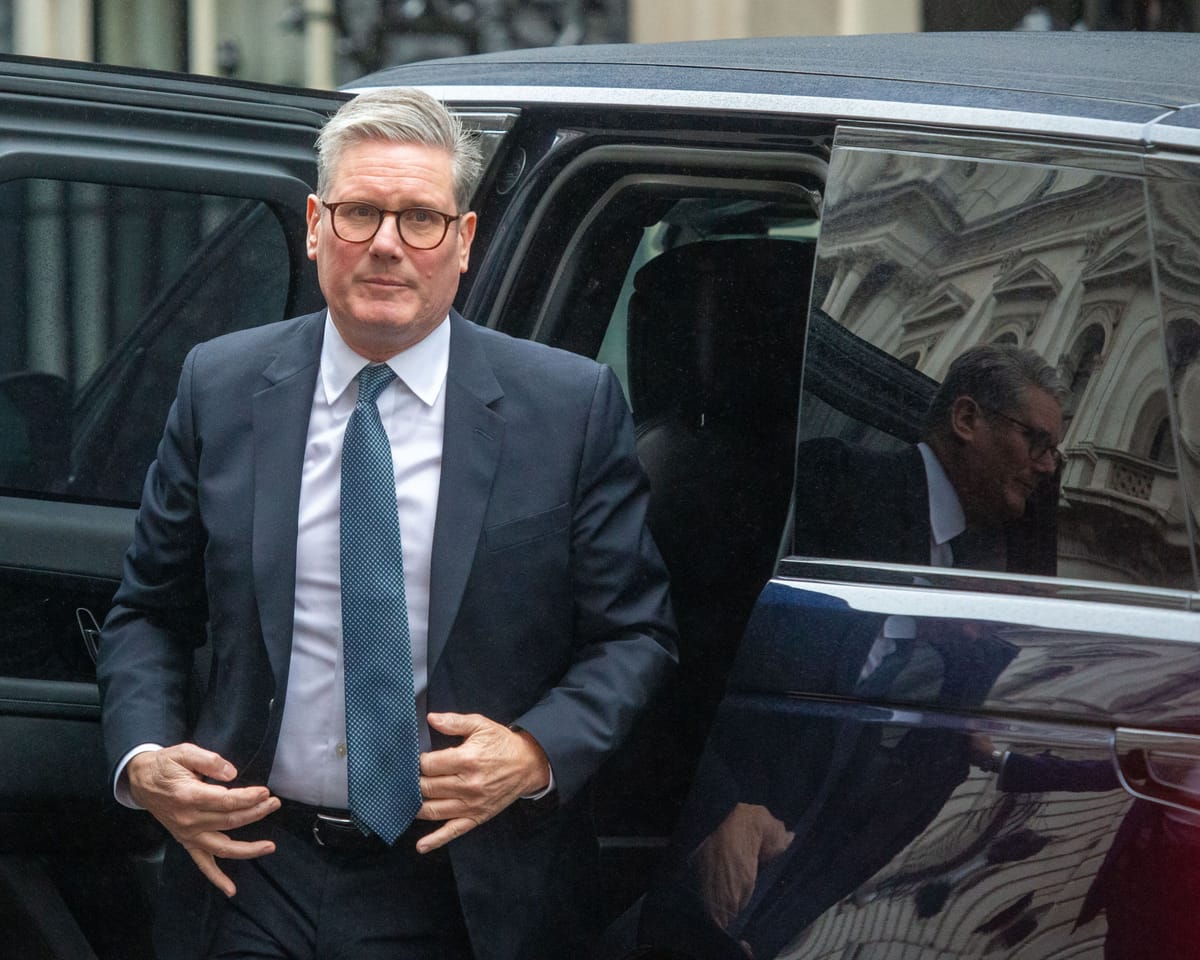
Prime Minister Keir Starmer faces a unique challenge in transitioning to an electric vehicle (EV) – Britain’s top car manufacturer has stated that EVs cannot provide sufficient protection against explosions.
JLR, the company behind Jaguar and Land Rover, confirmed that Starmer’s armored Range Rover Sentinels would need to remain petrol-powered for the near future. The firm made the claim in written submissions to a government consultation on EV sales regulations. Documents acquired by Fast Charge, a publication focused on electric cars, and reviewed by CuriosityNews, revealed JLR’s efforts alongside other automakers to relax rules that would require increasing annual EV sales.
In its response, JLR argued that armored vehicles should not be subject to the zero-emission vehicle mandate. The company stated there was currently no "workable engineering solution" to meet safety and blast protection standards in an armored electric vehicle.
Armored vehicles, though a niche market, are highly profitable for manufacturers. They are equipped with reinforced glass, armored plating, and underfloor protection, adding significant weight to already heavy cars.
JLR did not specify the exact concerns about armored EVs, but potential issues could include reduced driving range due to added weight and longer charging times. By contrast, German automaker BMW offers an armored electric i7 Protection model with reinforced flooring and roofing to defend against explosives.
The UK government is JLR’s primary domestic buyer for these specialized vehicles. The cars are assembled in Solihull, in the West Midlands, and modified by the company’s specialized operations division.
Details of Starmer’s Range Rover Sentinels are kept confidential for security reasons, but they are believed to feature 5-liter V8 engines to ensure quick acceleration under threat. The fleet also includes armored Audi A8 sedans, which replaced the now-discontinued Jaguar XJ.
Tom Riley of Fast Charge noted, “This is the first instance I’ve seen of ‘blast anxiety’ delaying the shift to electric. While understandable, it means the prime minister might be among the last in Britain to switch.”
For most drivers, however, EVs offer lower long-term costs, and concerns over range diminish for those with shorter commutes and easy access to charging.
Read next
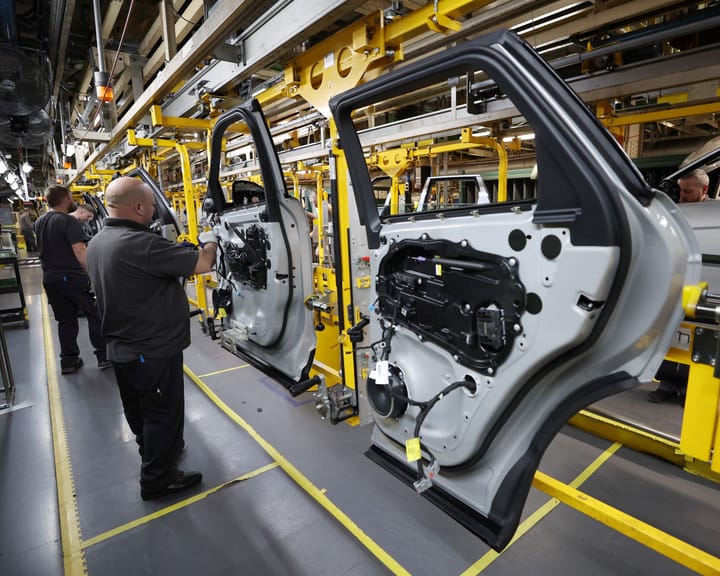
Jaguar Land Rover suppliers voice ‘everything is against us’ amid cutbacks
David Roberts, chair of Coventry-based Evtec, says the outlook for Britain’s automotive sector is grim, with “everything against us.” Evtec is a tier 1 supplier to Jaguar Land Rover, which this week announced 4,000 job cuts over two years despite chancellor John Healey’s attempt to talk
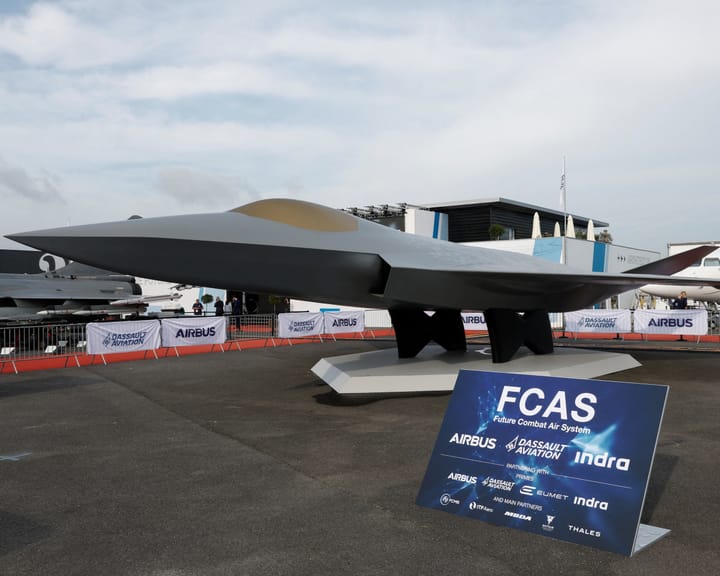
Europe’s fighter jet plans in disarray: what comes next?
When former ECB president and Italian PM Mario Draghi urged Europe to catch up economically with the US and China, defence collaboration was prescribed. No more should each nation build independent boats, tanks or jets; allies should share costs and technologies.
Europe stumbled at the first hurdle. German Chancellor Friedrich
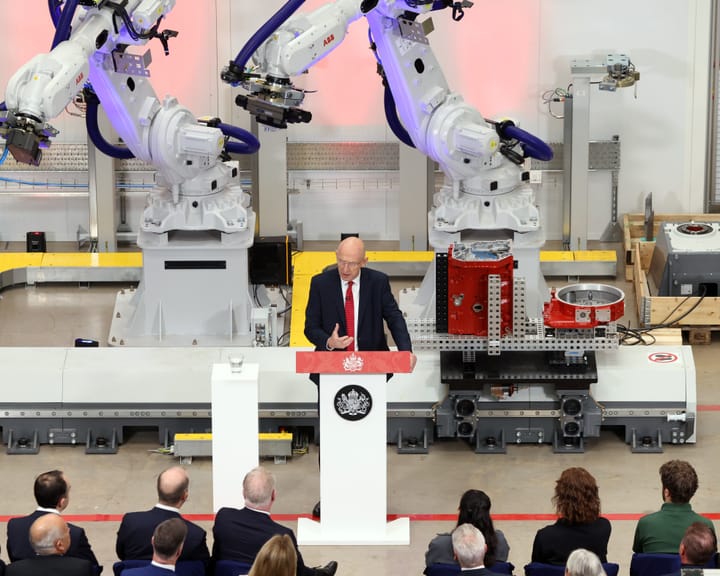
John Healey supports growth but insists Labour must be truthful about spending
John Healey has stated that his primary goal as chancellor will be to boost economic growth, while acknowledging that Labour must be straightforward about controlling public spending at next month's budget.
In his first major address since assuming the role in July, Healey said the leading focus of