
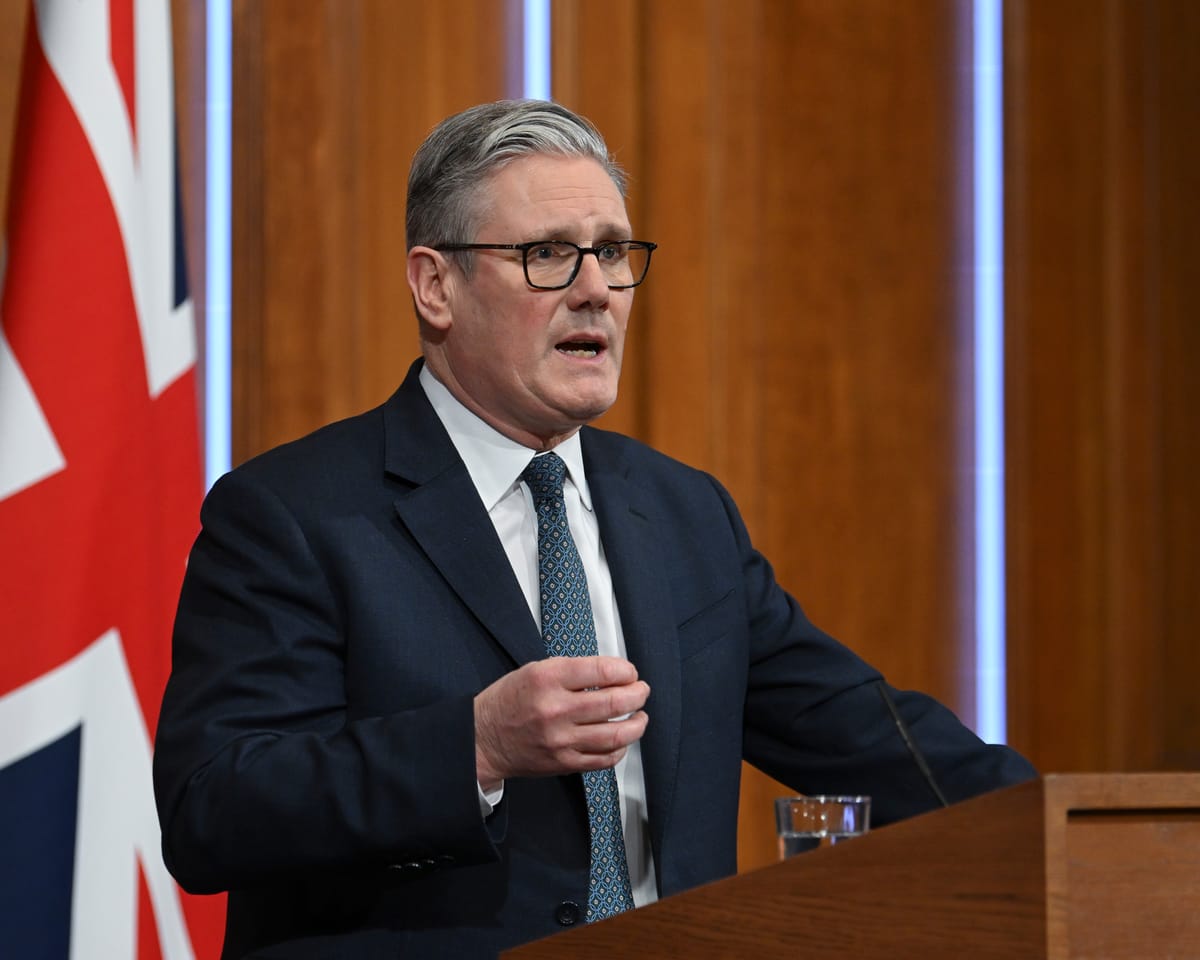
Prime Minister Keir Starmer warned that the war in Iran sweeping across the Middle East may persist “for some time,” and urged Donald Trump that the “best way forward” in the long run is a diplomatic settlement with Tehran.
He added that Britain is undertaking “everything we can” to calm the crisis, a stark departure from the U.S. president’s emphasis on regime change and his claim that it is “too late” for Iran to negotiate.
During a Downing Street briefing, he defended his choice to halt the early offensive raids by the United States and Israel over the weekend, stating he “stands by” his assessment while rejecting suggestions that it harmed the special relationship.
Nonetheless, Starmer has drawn criticism from Gulf nations and Cyprus for what they view as insufficient protection of regional partners and British nationals from Iranian attacks, and he has also endured personal attacks from Trump.
The prime minister maintained that “all ministers” on the National Security Council backed the British stance on the employment of UK bases, countering reports of cabinet dissent led by Energy Secretary Ed Miliband.
He told journalists that Britain would marshal “military and diplomatic strength” to safeguard its citizens, noting the dispatch of four additional Typhoon jets to Cyprus on Thursday together with two anti‑missile helicopters.
Addressing his detractors at home and abroad, he asserted: “It requires the resolve to uphold our values and principles, regardless of any pressure to abandon them.
“The traditional British view holds that the optimal path for the regime and the world is a negotiated accord with Iran in which it abandons its nuclear aspirations.
“That is why I chose that the United Kingdom would not participate in the initial US‑Israel strikes on Iran. The choice was intentional, served the national interest, and I continue to stand by it.”
Starmer, who took part in his second COBRA session on the conflict on Thursday, affirmed that Britain would “maintain the shield” over its citizens in the area and over allies. Defence Secretary John Healey was also in Cyprus that day.
When questioned whether Trump – with whom Starmer last spoke Saturday night – was correct in claiming he had weakened bilateral ties, he replied that the special relationship is “currently active” at UK bases where troops cooperate with their American partners.
“That is the special relationship. It is a relationship in action, and clearly it is the president’s prerogative to make decisions he deems in the United States’ national interest,” he said.
“I understand and respect that, yet as Britain’s prime minister it is my duty to make choices I believe serve the United Kingdom’s best interests. There is nothing controversial about it. The special relationship is functioning here at a critical moment.”
Read next
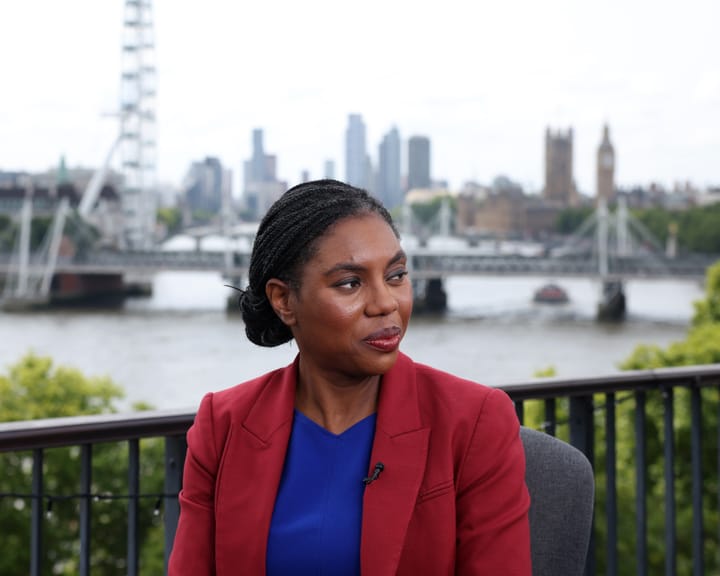
Badenoch returns to Conservative conference, markedly stronger than a year ago
A year ago, Tory MPs feared a fresh leadership revolt against Kemi Badenoch as Tories hit historic 14-16% support; November, after 12 months, was hushed: decisive challenge month. Yet, despite poor polls, “Keminisation” saw her impose style and authority.
More in Common’s Luke Tryl, director, said Badenoch holds
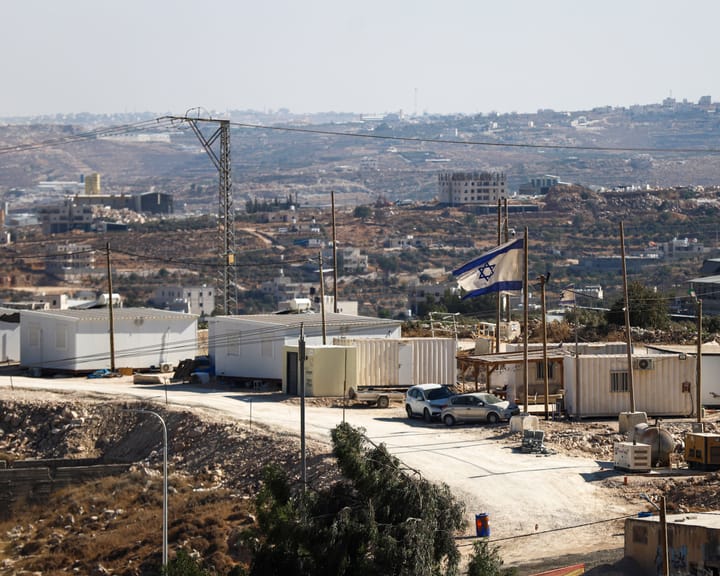
UK sanctions plan on illegal Israeli settlements faces criticism from US, Israel and British MPs
Today, with the agreement of Prime Minister Netanyahu, Israeli officials announced a series of countermeasures in response to new sanctions declared by the British foreign secretary of the Labour government, following a sequence of anti-Israel decisions by the same administration.
The accusations leveled today by the Labour foreign secretary,
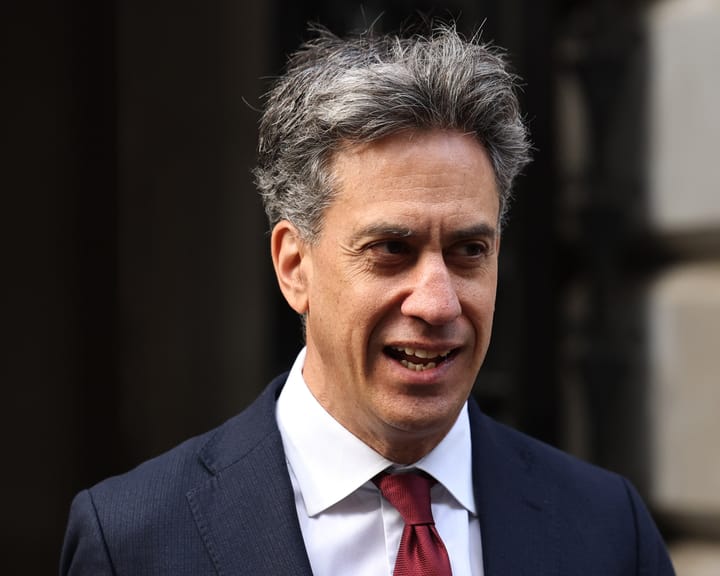
UK announces trade ban on Israeli settlements as tougher stance
Ed Miliband will announce a broad reset of the UK’s relations with Israel on Tuesday, pledging a more active stance in support of the Palestinian cause. In an intervention drawing fierce criticism from the US and Israel, the foreign secretary will impose a ban on trade in goods and