
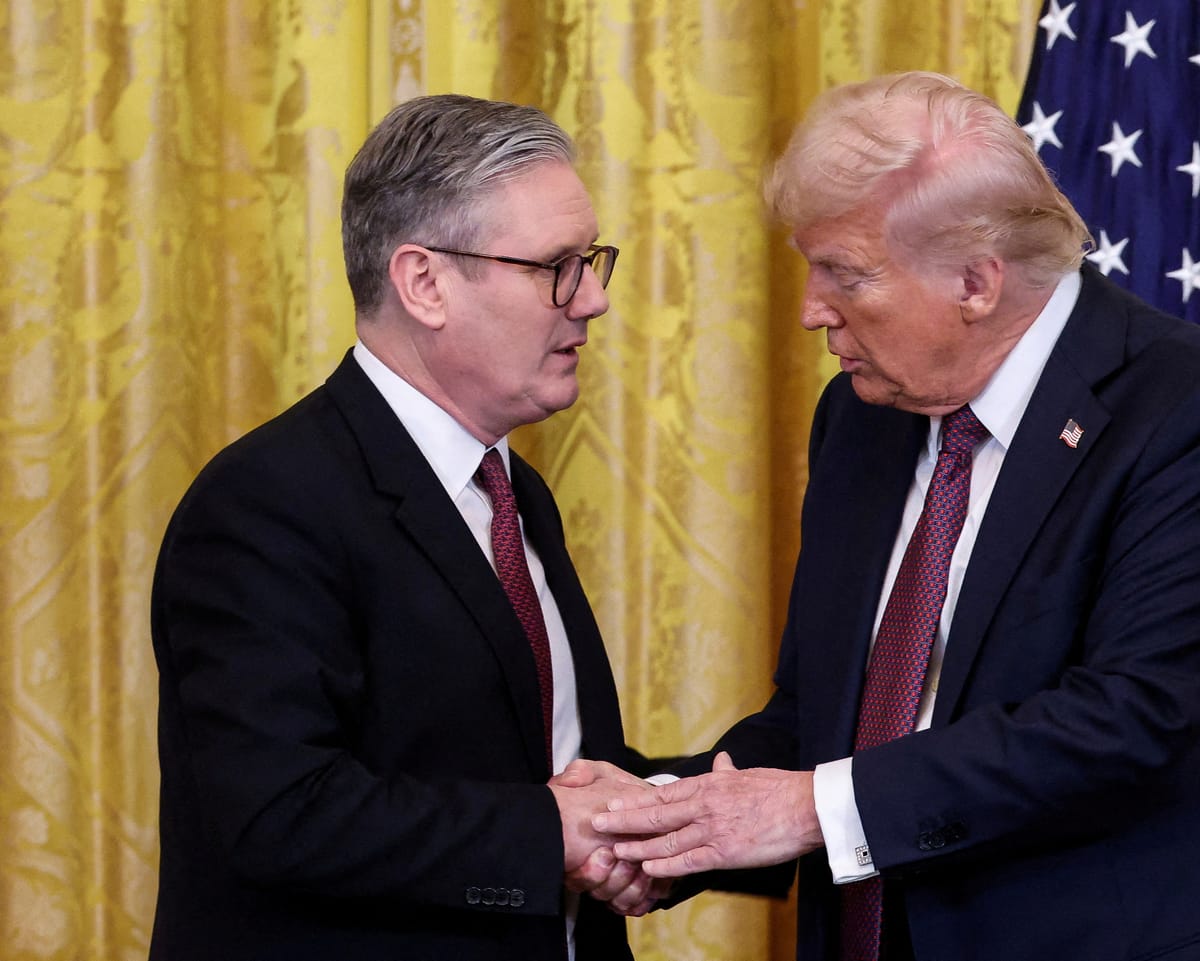
When Air Force One landed at Prestwick on Friday, during a trip where politics shared the spotlight with golf, Donald Trump was questioned about his rapport with Keir Starmer.
“I like your prime minister. He’s a bit more progressive than I am, as you may know. But he’s a good man,” the U.S. leader told reporters. At a moment when Britain seeks Trump’s attention on several critical matters, his remarks about the close ties between the two nations likely provided some comfort to Downing Street.
But this alignment did not come easily. Even before Trump’s re-election, Starmer had emphasized he would collaborate with the U.S. president if it served Britain’s interests. There have been uneasy moments, yet his strategy of maintaining cooperation has so far yielded positive results.
A key development was the economic agreement reached by both leaders, reducing certain U.S. tariffs on automobiles, aluminum, and steel. Though not yet fully in effect, the UK government sees this as a potential foundation for stronger trade relations in the future.
Starmer, alongside Western allies, has also played a role in shifting Trump’s stance on Ukraine. Initially showing support for Vladimir Putin and appearing to fault Volodymyr Zelenskyy for the conflict, the U.S. leader now expresses dissatisfaction with Russia’s actions.
Starmer’s most challenging diplomatic effort yet will be convincing Trump to adjust his approach to the humanitarian crisis in the Middle East. Even raising the issue was difficult, given the White House has not prioritized Gaza.
Trump holds unique influence over Israeli Prime Minister Benjamin Netanyahu—though even that is not absolute—making this a crucial opportunity to sway U.S. policy.
Amid mounting global outrage over Gaza, Starmer faces growing domestic pressure—from his cabinet, Labour members, and the public—to take stronger action against Israel.
Officials defend the UK’s measures so far, pointing to resumed funding for Unrwa, sanctions on far-right Israeli officials and violent settlers, suspended trade talks with Israel, support for the ICC, and tighter restrictions on arms exports (though no full ban).
The immediate focus is on unlocking humanitarian aid, as widespread hunger grips Gaza. Starmer aims to convince Trump that without lifting the near-total blockade, conditions will deteriorate further.
The broader goal, however, remains securing a ceasefire.
Read next
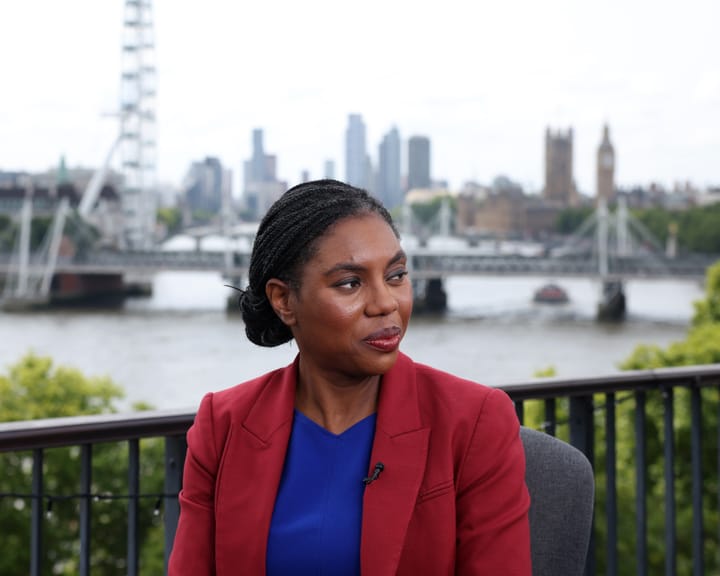
Badenoch returns to Conservative conference, markedly stronger than a year ago
A year ago, Tory MPs feared a fresh leadership revolt against Kemi Badenoch as Tories hit historic 14-16% support; November, after 12 months, was hushed: decisive challenge month. Yet, despite poor polls, “Keminisation” saw her impose style and authority.
More in Common’s Luke Tryl, director, said Badenoch holds

UK sanctions plan on illegal Israeli settlements faces criticism from US, Israel and British MPs
Today, with the agreement of Prime Minister Netanyahu, Israeli officials announced a series of countermeasures in response to new sanctions declared by the British foreign secretary of the Labour government, following a sequence of anti-Israel decisions by the same administration.
The accusations leveled today by the Labour foreign secretary,
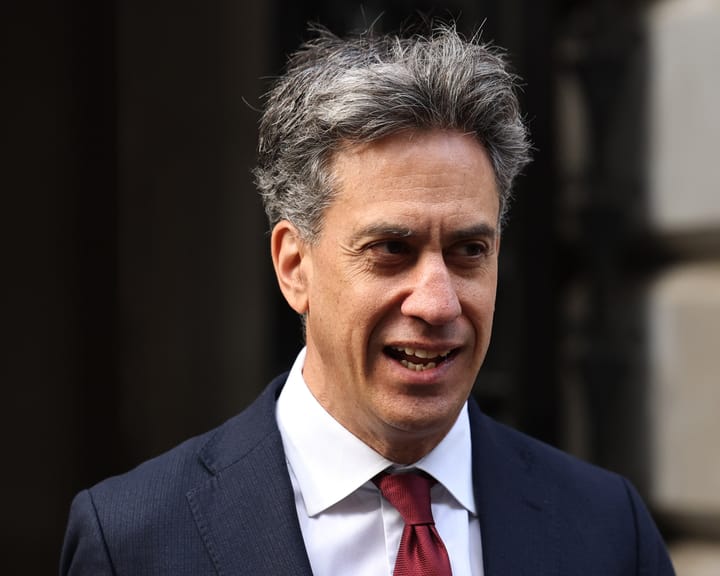
UK announces trade ban on Israeli settlements as tougher stance
Ed Miliband will announce a broad reset of the UK’s relations with Israel on Tuesday, pledging a more active stance in support of the Palestinian cause. In an intervention drawing fierce criticism from the US and Israel, the foreign secretary will impose a ban on trade in goods and