
Britain realised that Washington was weighing a strike on Iran as soon as Donald Trump told demonstrators in mid‑January that “help is on the way”. The seriousness of the move became evident when the Abraham Lincoln carrier strike group entered the Arabian Sea at the end of that month.
As Trump continued to assemble a “large fleet”, adding a second carrier strike group in mid‑February, British deployments remained modest and tightly controlled, even though officials recognised that any Iranian retaliation could target allied bases and British troops.
In January, officials at the Ministry of Defence said they understood that Trump was “keeping his options open” in case nuclear talks stalled. That month Qatar requested that the UK move a joint RAF squadron from Coningsby, Lincolnshire, to its territory as a precaution against an escalation involving Iran.
Six F‑35B aircraft were dispatched to Akrotiri in Cyprus in February, but the United Kingdom preferred to keep its military posture low‑key. For weeks it was apparent that Britain did not wish to take part in any opening strike by the United States and Israel, deeming such action unlawful under international law because Tehran did not pose an immediate threat to the UK.
Prime Minister Keir Starmer spoke with Donald Trump on the evening of 17 February about Iran. During the conversation Trump asked whether the United States could employ British airfields for bombing runs over Iran, raising questions about what further military plans the American president might have shared with the British leader.
Starmer declined, which led to a sharp rebuke from Trump the following day. He complained that the United Kingdom had “made a big mistake” by transferring sovereignty of the Chagos Islands to Mauritius, where the Diego Garcia base is located. “It may be necessary for the United States to use Diego Garcia,” Trump said, “to strike Iran.”
The timing of a potential US‑Israeli attack was influenced by reports that Iran’s supreme leader, Ali Khamenei, was meeting senior security officials in his compound on Saturday morning. Anticipating possible action, the UK withdrew its embassy personnel by the preceding Friday.
When hostilities began, Britain appeared ill‑prepared. By luck, a missile and drone assault on a US naval facility in Bahrain missed the area where roughly 300 British service members were stationed. Three Shahed‑type drones were reported to have been launched at the Akrotiri airbase in Cyprus, one of which hit a runway.
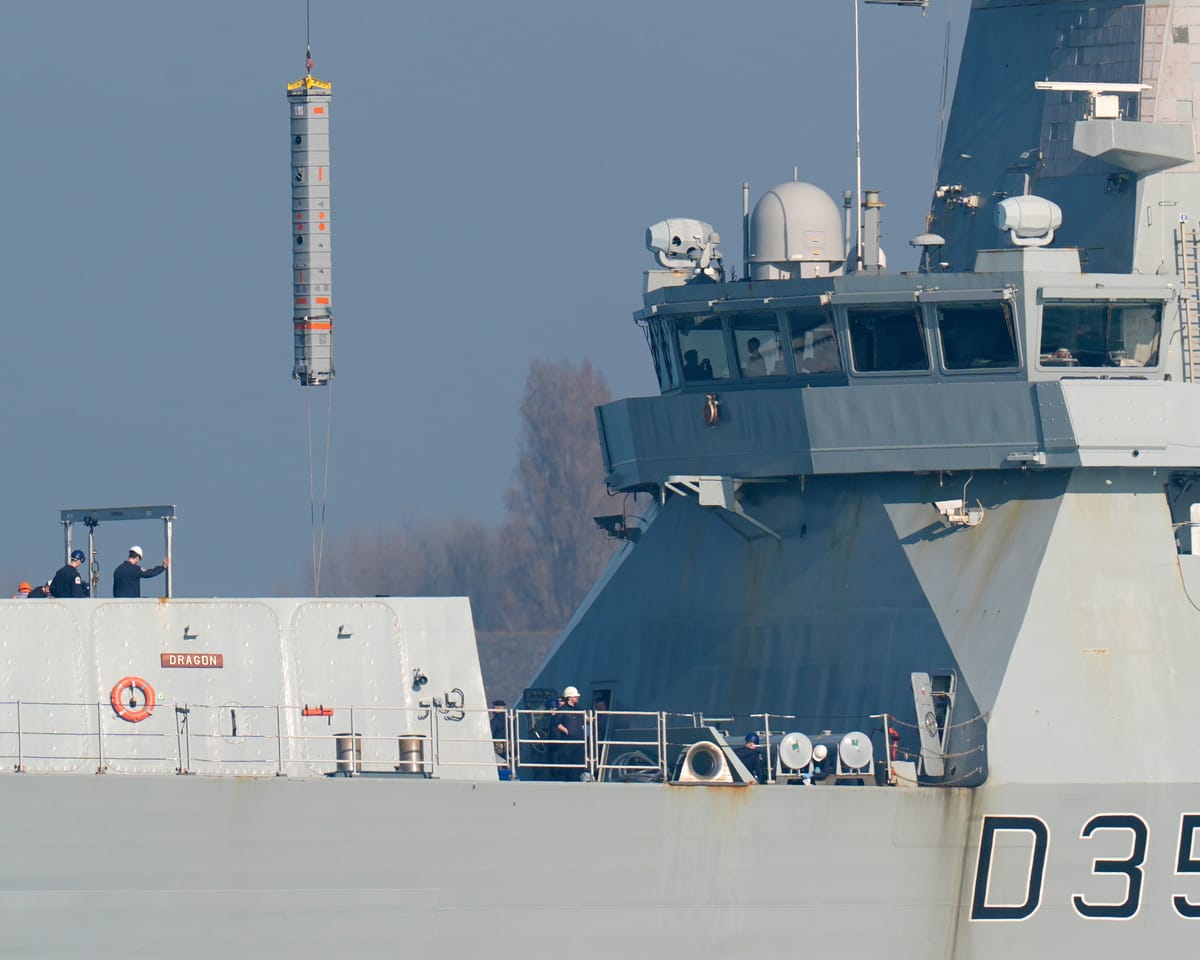
The strike on Akrotiri caused little damage but was a source of embarrassment, prompting the evacuation of nearby villages, the relocation of families attached to the base and unease among Cypriots. Cyprus’s president called for naval assistance from France and Germany while the UK weighed its response, eventually dispatching a destroyer on Tuesday.
For the first time since 2019, the Royal Navy has no warships deployed in the Middle East apart from a single mine‑hunter. The last permanently stationed frigate, HMS Lancaster, had already left the region.
Read next
Tokyo tourist hotspot outlaws short-term rentals amid complaint surge
Shinjuku Ward, Tokyo, has moved to ban short-term rental accommodations in residential areas and near schools and important cultural sites, following a slew of complaints about visitor behaviour. The decision, to be enacted through a local ordinance, marks the latest sign that Japan’s patience with mass tourism is
Canada implements retaliatory US tariffs as trade dispute intensifies
Canada’s retaliatory tariffs on about $20 billion worth of American imports took effect at 12.01am on Tuesday, ranging from 15% to 50% and applying to steel, dairy, appliances, agricultural equipment, pulp and paper, and electronics. The measures, a response to the United States’ 50% tariff on $20 billion
Prosecutor general resigns amid political turmoil in Kyiv during Ukraine war
Ukraine’s prosecutor general Ruslan Kravchenko resigned amid corruption accusations after anti-graft officers searched his offices at the weekend. He called the allegations “completely unsubstantiated” and denied wrongdoing. The National Anti-Corruption Bureau (NABu) and Specialised Anti-Corruption Prosecutor’s Office (Sapo) announced Saturday they uncovered a money-laundering