
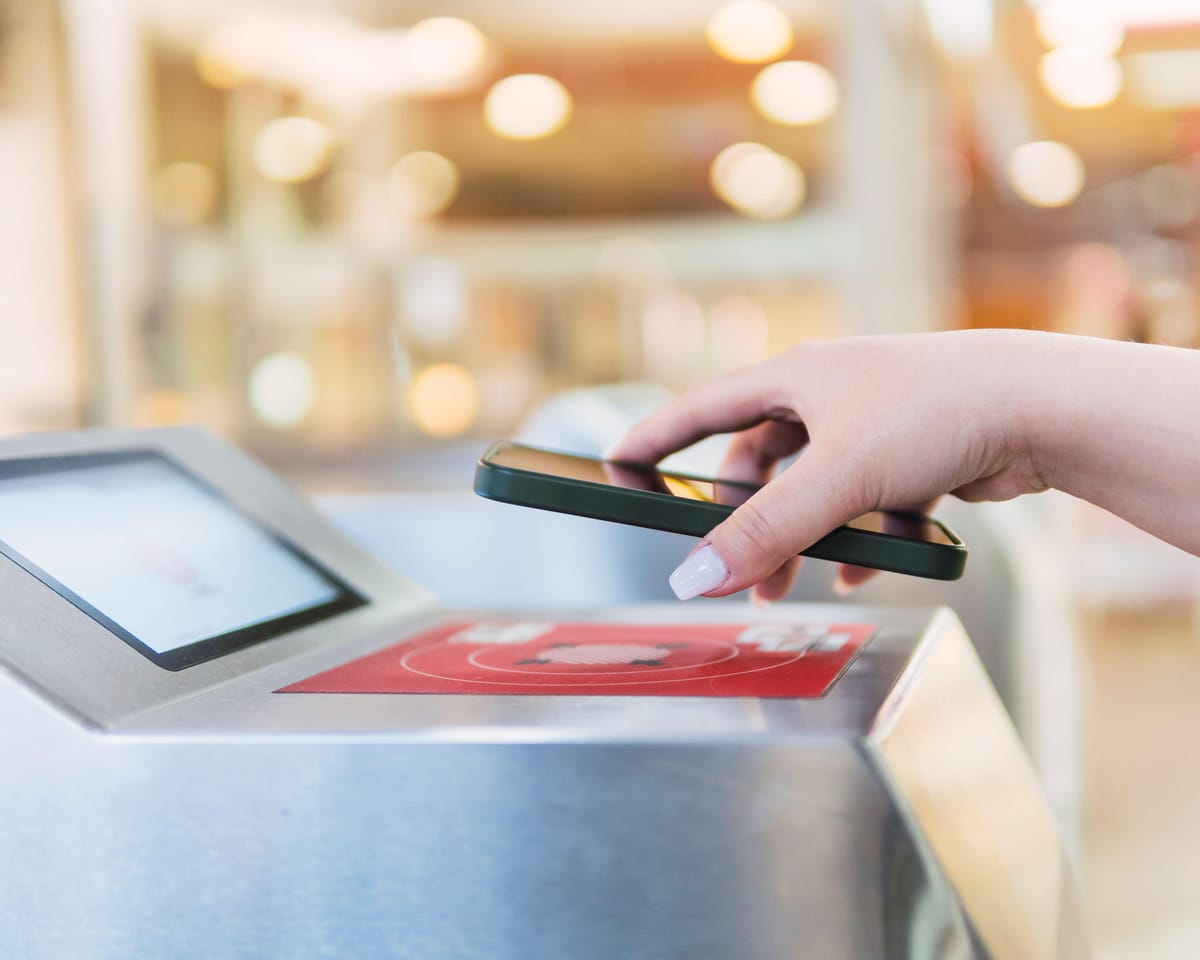
In 2019, is now used by more than 7 million people to verify their identity, store digital documents, and access public services. Similarly, Belgium’s Itsme app, launched in 2018, has over 6 million users who rely on it for logging into banking, government, and healthcare platforms.
The introduction of digital IDs has been met with broad acceptance in many nations, largely due to their convenience and efficiency. With secure encryption and decentralized data storage, concerns over misuse have been minimized. Privacy advocates, while cautious, acknowledge the benefits of reducing bureaucratic delays and improving accessibility.
A key advantage of digital identity systems is their ability to integrate with existing online services seamlessly. Citizens in countries like Estonia and Denmark report significant time savings, as tasks that once required in-person visits or mailed documents can now be completed digitally.
As the EU moves forward with its eIDAS 2.0 regulations, the focus remains on ensuring interoperability across member states while maintaining strong data protection standards. If successful, the bloc’s digital ID framework could serve as a model for other regions seeking to modernize identity verification.
Despite the progress, some skepticism persists, particularly regarding the risk of over-reliance on digital systems. However, the track record of existing programs suggests that, with proper safeguards, digital identities can enhance both security and convenience for users.
For now, the debate in the UK continues, while much of Europe has already embraced the shift—either through decades-old physical ID systems or more recent digital solutions. The trend appears irreversible, as nations increasingly prioritize efficiency and digital integration in public administration.
Read next
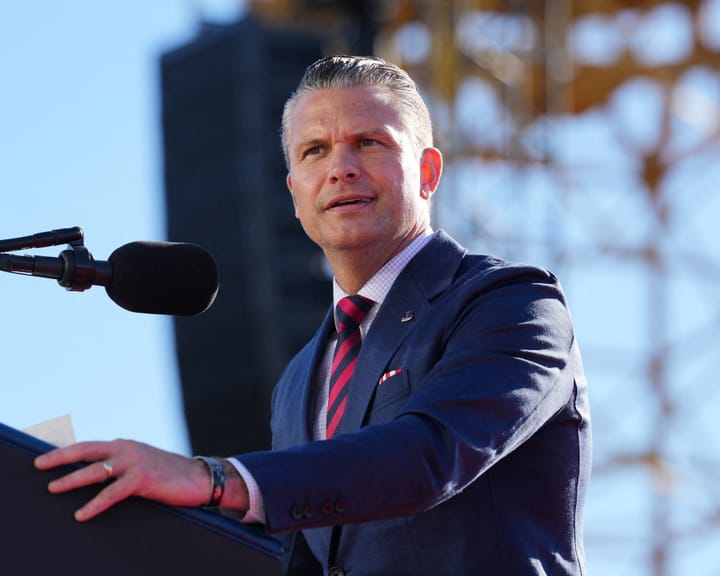
Pete Hegseth's proposal to stream executions aligns US with controversial nations.
If the US defense secretary, Pete Hegseth, proceeds with plans to livestream the execution of a soldier radicalized to extremist Islam, who killed 13 people at a military base in Texas, the US would join a group of lesser powers and rogue actors known for public executions in recent years.

Criminals steal €5m from renowned Italian winery
In a significant theft in Tuscany, thousands of wine bottles valued at €5 million have been stolen from the renowned Marchesi Antinori winery, marking what is considered the largest heist of its kind in Italy. A group of at least seven masked individuals breached the winery's cellar in

Illuminated Theater in Havana – A Photographic Journey
Widespread blackouts have become more frequent in Cuba since the US imposed energy sanctions in January. These outages often last longer than 24 hours as the aging electrical grid struggles to cope. The Impulso theatre group has been forced to adapt, as the power cuts present significant challenges for the