
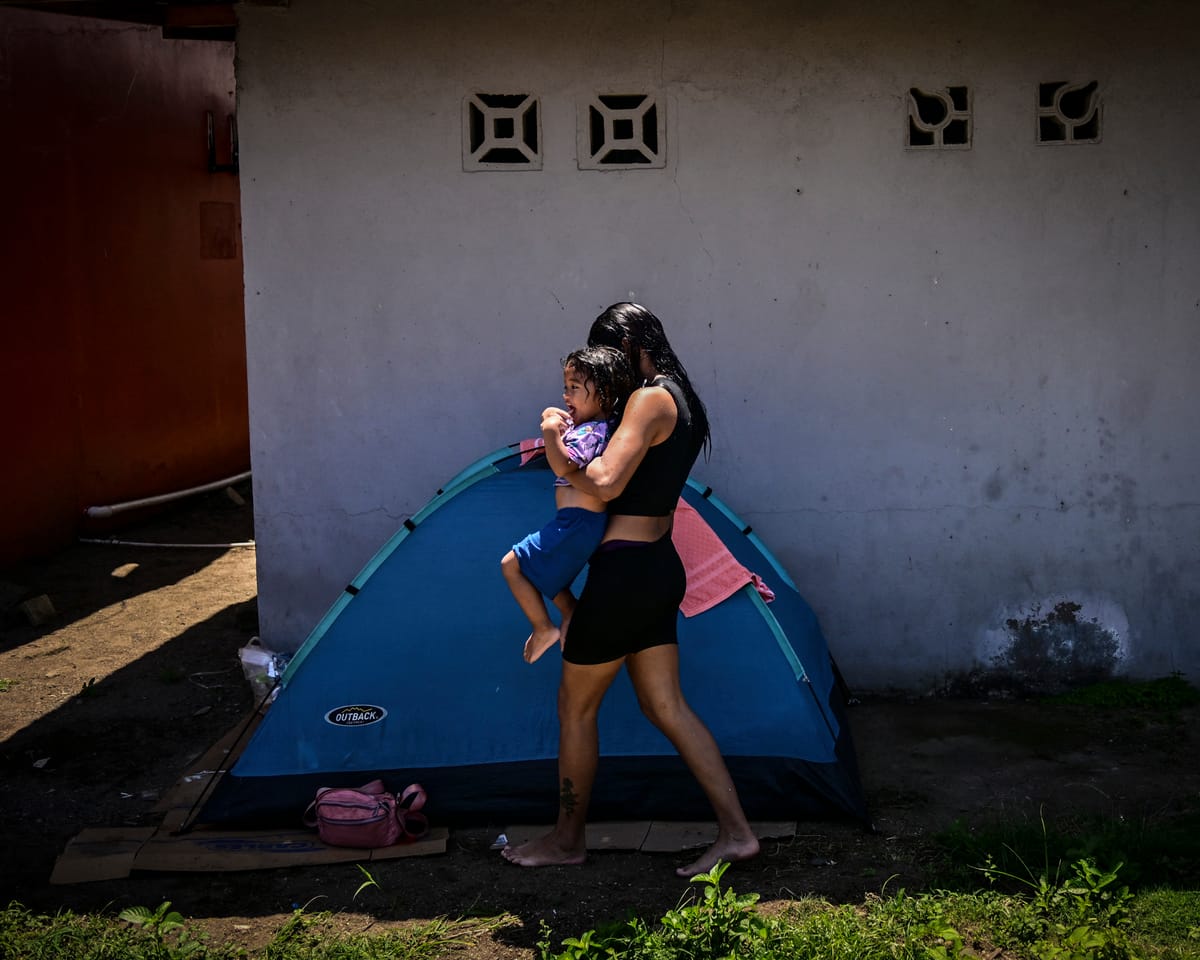
The term they use is “purgatory.”
In the Panamanian port village of Miramar, migrants wait in empty houses and temporary shelters, the air thick with uncertainty. Many do not know how they will afford the journey on an overcrowded boat to their next stop, 10 hours south. Exhaustion and despair weigh heavily on them.
“I hoped for a better future, but now it feels like it was all in vain,” said Gabriela, a 26-year-old Venezuelan mother. “I don’t know what to do next.”
Gabriela is among thousands who, after months of traveling north toward the U.S. – crossing the treacherous Darién Gap, passing through dangerous territories and rugged landscapes – are now heading back the way they came. According to a recent report, more than 14,000 migrants, mostly Venezuelans, have turned south since tightened border controls and stricter immigration measures were enforced.
This trend, referred to as the “reverse flow,” marks a sudden shift in one of the largest mass migrations in recent times.
Gabriela, a former government worker, left Venezuela after Nicolás Maduro’s contested election victory last year. She was one of nearly 8 million people who have fled the country since 2017, intending to reunite with her brothers and father in the U.S. “The future felt hopeless at home,” she said. “I couldn’t stay under such conditions.”
Along with four relatives and her 11-year-old daughter, she paid smugglers roughly $20,000 to reach Mexico, where she awaited a scheduled visa appointment. It was set for February 3, but on January 20, the day new border policies took effect, it was canceled. “No one from our group was allowed in,” she said. “Everything we planned fell apart.”
Most returning migrants take buses through Mexico and Central America until they reach Panama, boarding packed boats to Colombia. Now separated from her family, Gabriela waits in Miramar with her daughter, trying to gather the $500 needed for the journey south. “We don’t know how to swim, but there’s no other way,” she admitted.
Legal experts, aid groups, and even officials warn that this unnoticed and unmonitored return movement is as hazardous as the initial journey north, with smugglers exploiting the situation. The Migration Policy Institute noted that the trip back is happening under “even harsher conditions.”
Earlier this year, a migrant boat capsized, claiming the life of an eight-year-old. Meanwhile, shelters have closed due to reduced international support. “I’ve faced danger at every turn—gangs, deceit,” Gabriela said.
Scott Campbell, a representative for the UN human rights office in Colombia, stated that many returning migrants suffered violations during their trip north and now endure “another cycle of hardship on their way back.”
“Many have been displaced for long periods, repeatedly forced out of their temporary homes—witnessing suffering and struggling to find safety,” he added.
Read next
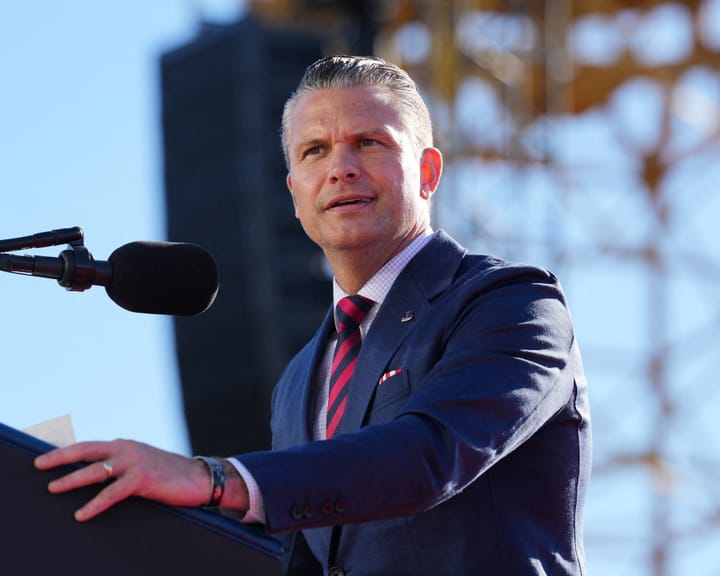
Pete Hegseth's proposal to stream executions aligns US with controversial nations.
If the US defense secretary, Pete Hegseth, proceeds with plans to livestream the execution of a soldier radicalized to extremist Islam, who killed 13 people at a military base in Texas, the US would join a group of lesser powers and rogue actors known for public executions in recent years.
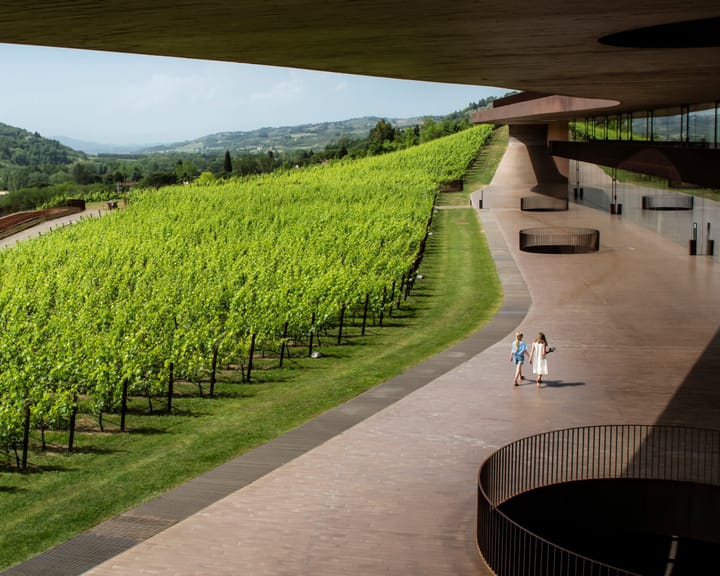
Criminals steal €5m from renowned Italian winery
In a significant theft in Tuscany, thousands of wine bottles valued at €5 million have been stolen from the renowned Marchesi Antinori winery, marking what is considered the largest heist of its kind in Italy. A group of at least seven masked individuals breached the winery's cellar in
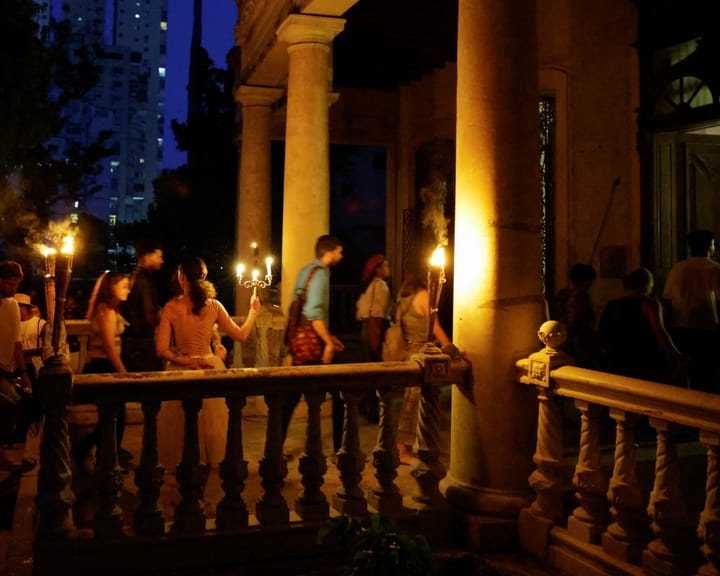
Illuminated Theater in Havana – A Photographic Journey
Widespread blackouts have become more frequent in Cuba since the US imposed energy sanctions in January. These outages often last longer than 24 hours as the aging electrical grid struggles to cope. The Impulso theatre group has been forced to adapt, as the power cuts present significant challenges for the