
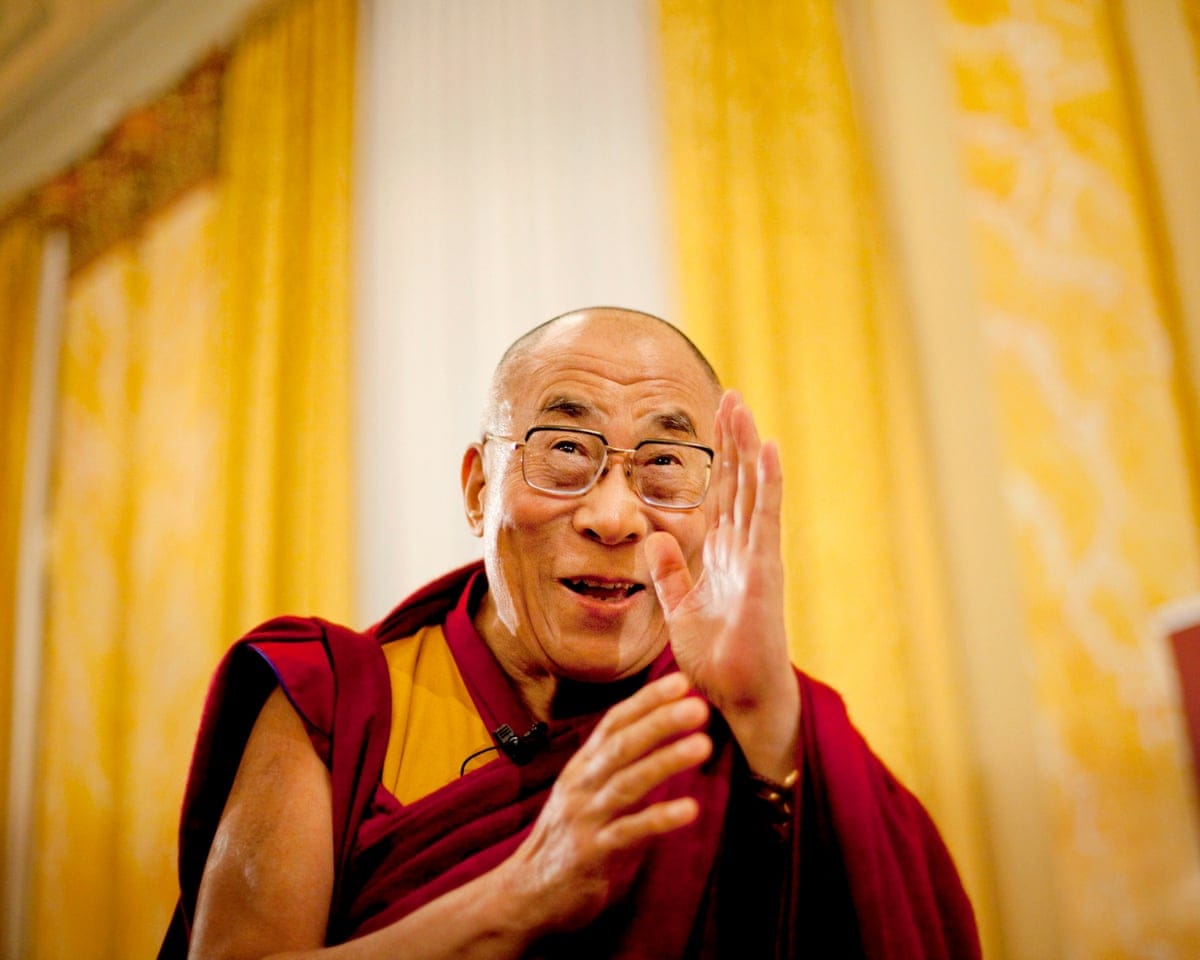
Few events stir as much excitement in the hills of Dharamshala as the birthday of the Dalai Lama. This year, as monks and followers gathered in the mountainous Indian town ahead of the Tibetan spiritual leader’s 90th birthday on Sunday, the sense of anticipation was unmistakable.
For years, the Dalai Lama had indicated that around his 90th birthday, he would share a long-awaited decision regarding his reincarnation. On Wednesday, in a video message addressed to Tibetan monks and leaders, he finally outlined his plans. This announcement came amid concerns over tensions between the Tibetan community and the Chinese government, which has sought for decades to influence the process of identifying the Dalai Lama’s successor—a figure revered as the highest teacher in Tibetan Buddhism.
Tenzin Gyatso, the 14th Dalai Lama, confirmed that he would continue in his role until his death. Afterward, following centuries-old tradition, his spirit would be reborn, and only his closest advisors—a trusted group of senior monks—would have the exclusive authority to locate his next incarnation, a process that often takes years to identify the child in whom he is believed to have been reincarnated.
“No one else has any right to intervene in this matter,” the Dalai Lama told his followers.
The statement ended years of speculation that he might propose an alternative means of succession—such as transferring his spiritual authority to a living successor—to prevent external interference. Some in the Tibetan community had worried he might even choose not to reincarnate at all.
His latest remarks represented a clear rejection of China’s stance, as the government maintains that only it has the right to approve the next Dalai Lama, a position codified into Chinese law.
However, Tansen Sen, an expert on Indo-Chinese relations and Buddhism, observed that the Dalai Lama’s tone in this announcement was more measured compared to past statements. While he previously suggested the 15th Dalai Lama would be born in the “free world”—widely understood as outside China—this time, he avoided repeating that phrasing.
“This seems like a carefully crafted statement, avoiding unnecessary provocation,” said Sen. “The Dalai Lama is not just a religious figure but also a strategic thinker who recognizes the broader geopolitical tensions, particularly between India and China.”
China’s reaction was evident in the absence of the Dalai Lama’s statement in both Chinese and Tibetan media.
“Chinese authorities appear reluctant to let this news reach Tibetans or even their own citizens,” said Robert Barnett, a Tibetan history expert at Soas University of London. “This could be out of concern for public expressions of support for the Dalai Lama or due to internal disagreements on how to respond.”
Read next
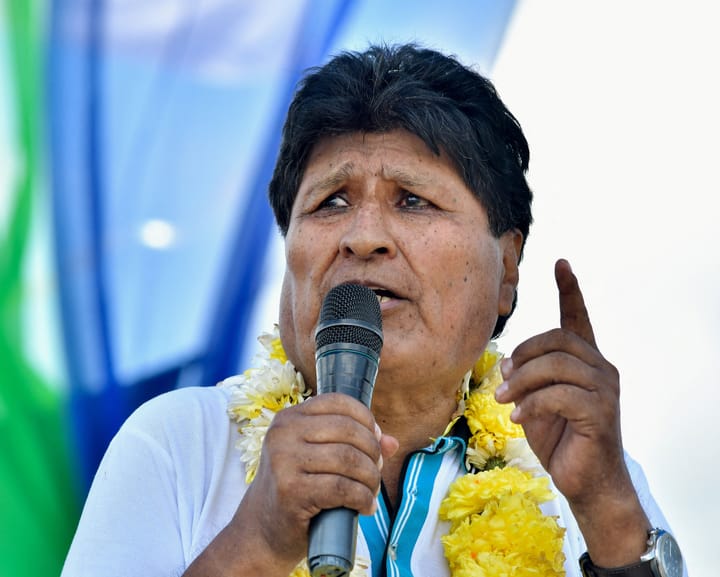
Bolivia Probes Ex-President Evo Morales for Suspected Involvement in 2009 Killings
The Bolivian attorney general has initiated an investigation into former leftist president Evo Morales, citing allegations of his involvement in the murder and torture of European nationals in 2009.
In 2009, police conducted a raid on a Santa Cruz hotel, resulting in the deaths of Eduardo Rózsa Flores, a Bolivian-
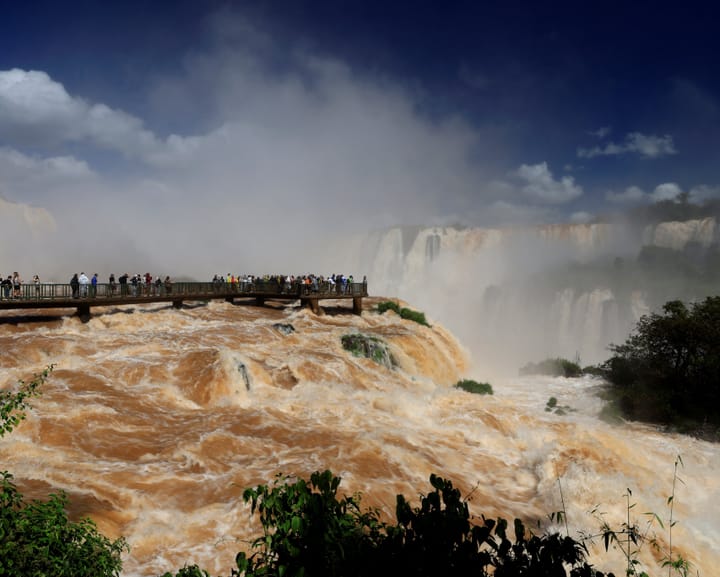
Argentina Closes Iguazu Falls Temporarily Due to El Niño-Induced Water Surge
Heavy rainfall driven by a potent El Niño weather pattern temporarily led Argentinian authorities to close tourist access to the renowned Iguazu Falls. The closure occurred due to concerns that rising water levels might cause the river to overflow its banks.
On Monday, national park officials implemented this precautionary measure
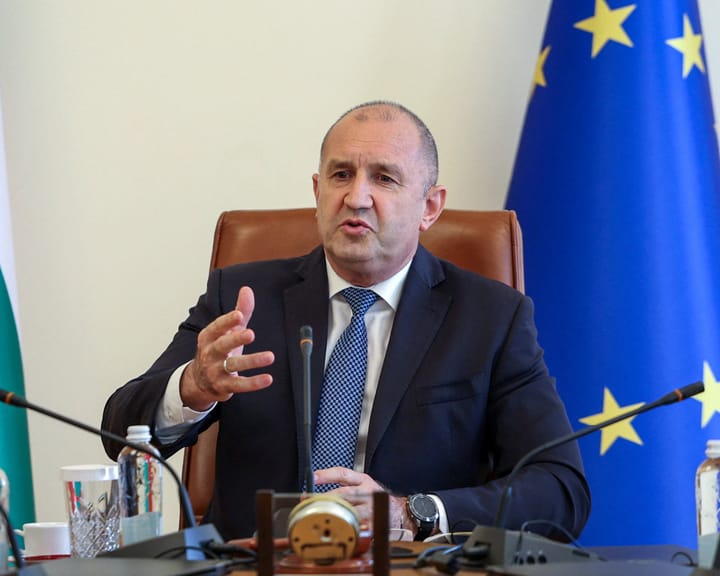
Mysterious Drones Strike Two Vessels Near Bulgarian Coast – Europe Live
Morning Update: Two Ships Targeted by Drones Off Bulgarian Coast
This morning, two ships in the Black Sea near Bulgaria were struck by drones of unknown origin. The attack led to the sinking of one vessel and initiated emergency rescue operations, as reported by Bulgarian Prime Minister Rumen Radev. Rescue