
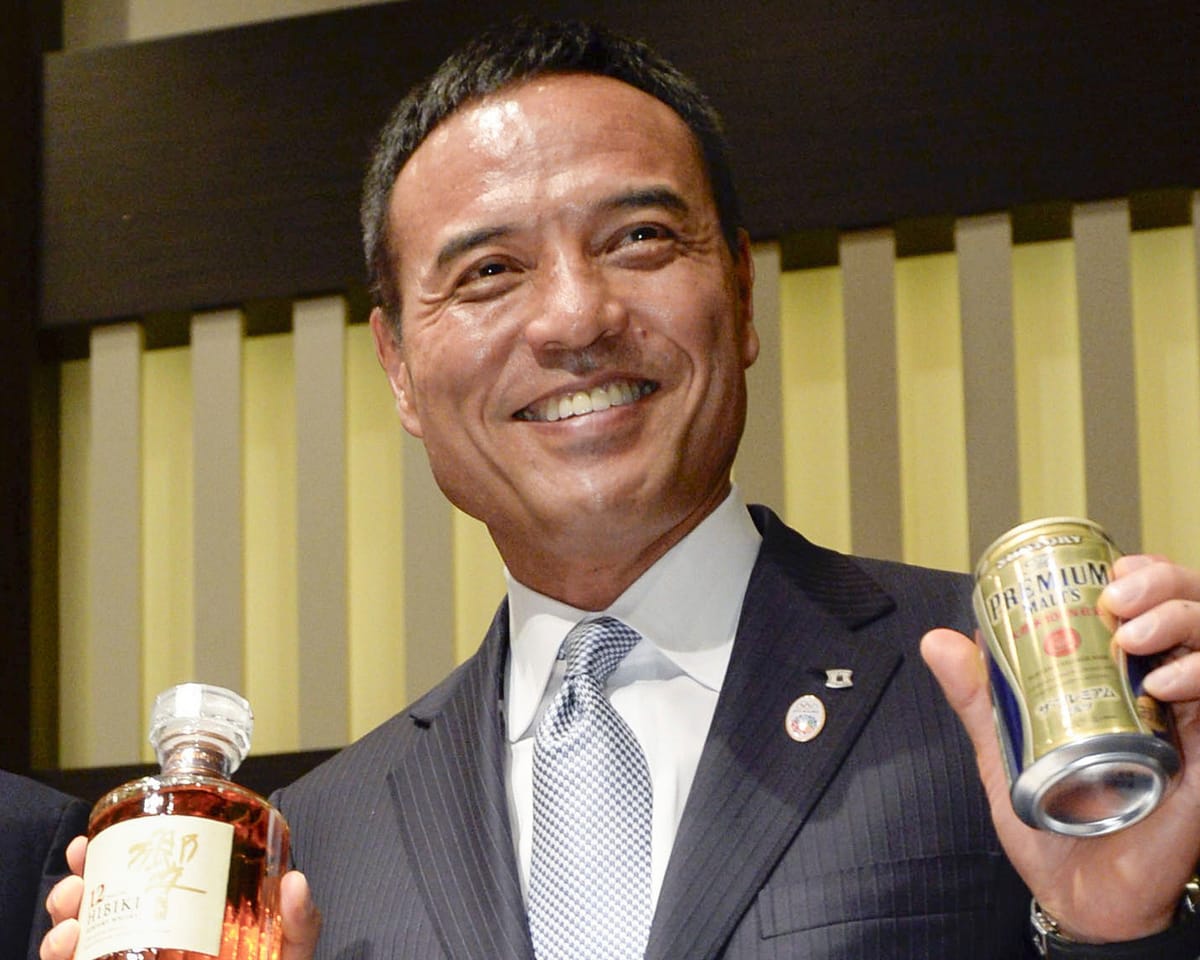
Takeshi Niinami, a prominent Japanese business figure, has stepped down as CEO of the beverage company Suntory following a police search of his residence amid an inquiry into potentially unlawful supplements.
His departure from the company behind the Jim Beam whisky brand has caused significant reactions in Japan’s corporate sector, with Suntory officials holding an urgent press briefing to address concerns from stakeholders.
Tokyo Shimbun reported that authorities are examining whether Niinami violated Japan’s strict regulations on cannabis. The executive, who has not publicly addressed the claims, reportedly tendered his resignation after returning from abroad on Monday.
Reports indicate that police conducted a search of his high-end Tokyo apartment last month and collected a urine sample. No prohibited substances were discovered, according to sources.
Nippon TV, citing unidentified individuals, stated Niinami is suspected of importing items containing THC, the psychoactive component in cannabis, from the U.S. While CBD products are permitted in Japan, they must not include THC. Possession of cannabis can result in a prison sentence of up to seven years.
Suntory’s president, Nobuhiro Torii, said on Tuesday that Niinami had denied any misconduct and claimed he purchased the supplements believing they were legal.
“The company will make every effort to restore confidence,” Torii stated. He added that Suntory determined Niinami’s conduct “did not meet the expected standards” for a chief executive and saw no reason to delay accepting his resignation pending the investigation’s conclusion.
Niinami’s exit raises uncertainty about the future of his strategy, implemented when he took over as CEO over ten years ago, to expand Suntory’s global presence amid declining domestic demand and fierce international competition.
As head of Japan’s second-largest business association, the Japan Association of Corporate Executives, Niinami frequently spoke out against conventional corporate norms. Outside Japan, he was viewed as a contrast to the country’s typically cautious business culture.
He also serves on Prime Minister Shigeru Ishiba’s Council on Economic and Fiscal Policy.
Unlike many Japanese executives, Niinami has openly discussed contentious political and social matters. Last July, he urged the Bank of Japan to increase interest rates, arguing it would ease financial pressure on households.
In 2023, he criticized Japan’s former top talent agency after revelations emerged about decades of sexual abuse by its late founder, Johnny Kitagawa.
Niinami joined Suntory, one of the world’s largest beverage firms, in 2014—the first non-family member to lead the company—after a 12-year tenure as CEO of Lawson, the convenience store chain.
Read next
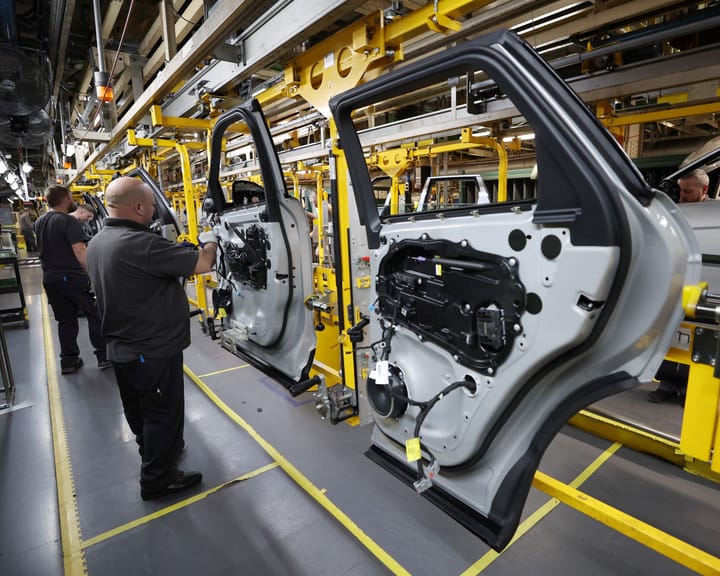
Jaguar Land Rover suppliers voice ‘everything is against us’ amid cutbacks
David Roberts, chair of Coventry-based Evtec, says the outlook for Britain’s automotive sector is grim, with “everything against us.” Evtec is a tier 1 supplier to Jaguar Land Rover, which this week announced 4,000 job cuts over two years despite chancellor John Healey’s attempt to talk

Europe’s fighter jet plans in disarray: what comes next?
When former ECB president and Italian PM Mario Draghi urged Europe to catch up economically with the US and China, defence collaboration was prescribed. No more should each nation build independent boats, tanks or jets; allies should share costs and technologies.
Europe stumbled at the first hurdle. German Chancellor Friedrich
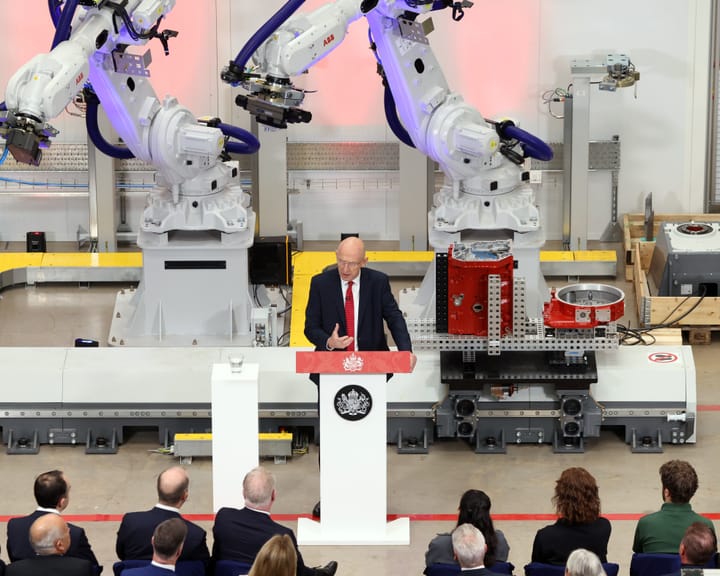
John Healey supports growth but insists Labour must be truthful about spending
John Healey has stated that his primary goal as chancellor will be to boost economic growth, while acknowledging that Labour must be straightforward about controlling public spending at next month's budget.
In his first major address since assuming the role in July, Healey said the leading focus of