
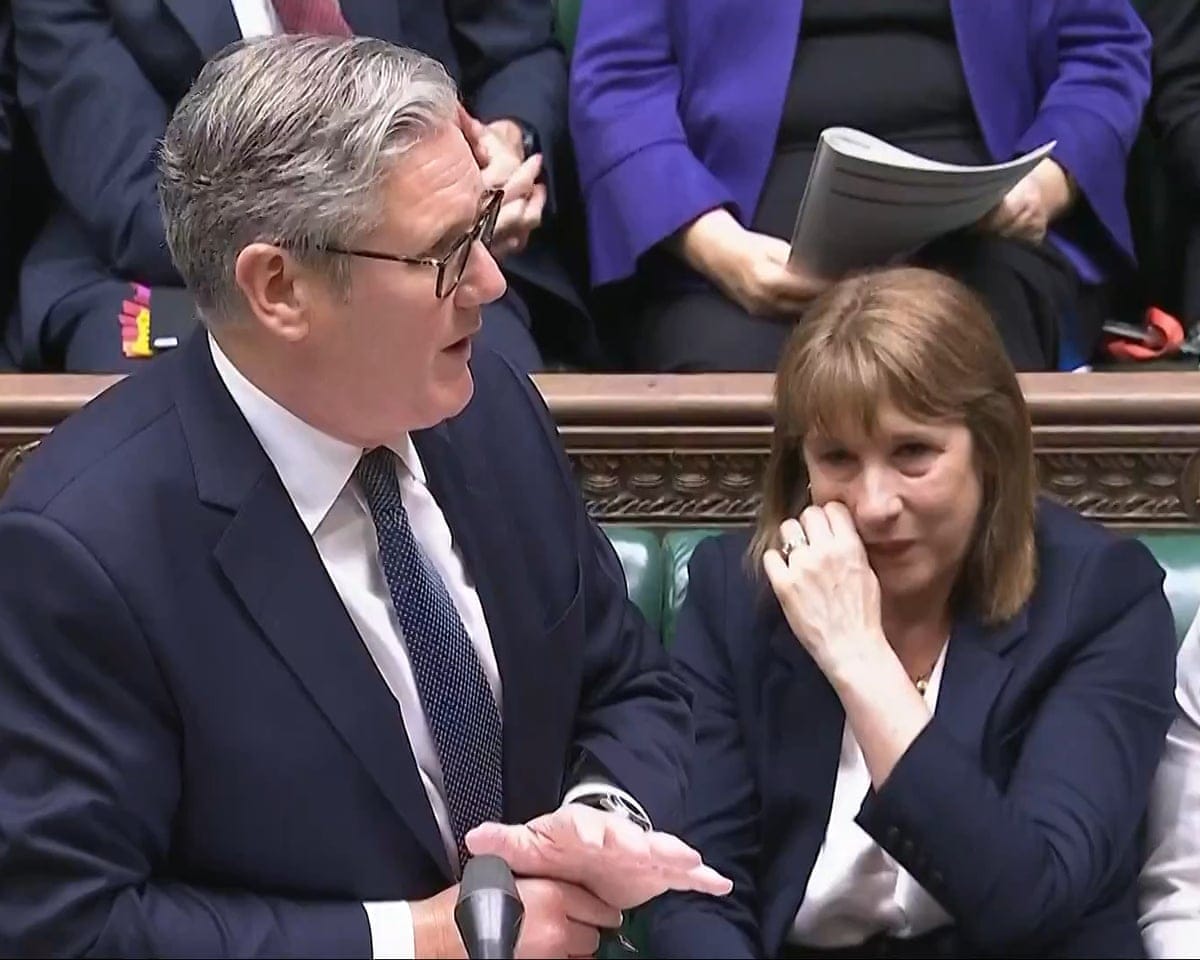
Rachel Reeves’ emotional moment this week led to a drop in the pound and prompted sharp criticism from political commentators, many of them men. "What’s the issue with Rachel Reeves?" questioned the Telegraph. In a piece titled "The significance of the chancellor’s tears," a New Statesman columnist suggested her influence was "starting to fade." The Daily Mail dismissed her display as mere "waterworks."
Yet in the long run, the chancellor’s emotional reaction could have an unforeseen benefit: making a still-stigmatized reality more acceptable—women crying in professional settings.
Until now, tearful episodes at work have often been met with discomfort and embarrassment. This week’s live broadcast of Reeves quietly shedding tears might help challenge that discomfort, drawing attention to an underacknowledged fact: women occasionally cry at work, and it doesn’t have to be a major event.
A day later, Reeves addressed her emotions with nonchalance. "People saw I was upset, but that was yesterday. Today’s a fresh start, and I’m just focused on my work," she said Thursday. She chose not to share what had triggered her distress, calling it a private matter. Within hours, markets stabilized after the prime minister, Keir Starmer, affirmed her long-term position.
While being recorded in tears during a high-profile parliamentary exchange is far from ideal, ministerial roles are intensely demanding. Some of Reeves’ male predecessors have shown the strain in even more extreme ways—yet faced less scrutiny, as their behavior was dismissed as typical masculine intensity.
When former prime minister Gordon Brown was overwhelmed by stress, he was known for explosive outbursts. One biographer recounted Brown angrily puncturing his official car’s seat with a pen. Bloomberg reported new aides being cautioned about "flying Nokias" when joining his team (though Brown’s spokesperson denied this account at the time).
Reeves’ tears were widely interpreted as a loss of composure. Brown’s temper, meanwhile, was often excused as an unfortunate but understandable reaction to pressure.
Studies consistently show what common sense suggests—women cry more often than men. So as more women take on top leadership roles, seeing a powerful woman in tears should become less noteworthy. It would be strange to applaud it, given that it’s draining and often humiliating. But Reeves’ moment may help normalize it as just another way of handling professional strain.
A YouGov survey in the UK found that 34% of men said they hadn’t cried at all in the past year, compared to just 7% of women; 18% of women admitted to crying multiple times a month, while only 4% of men reported the same. These differences underscore that emotional responses vary—and that society judges them unevenly. Reeves’ experience might eventually prompt a shift in that perception.
Read next
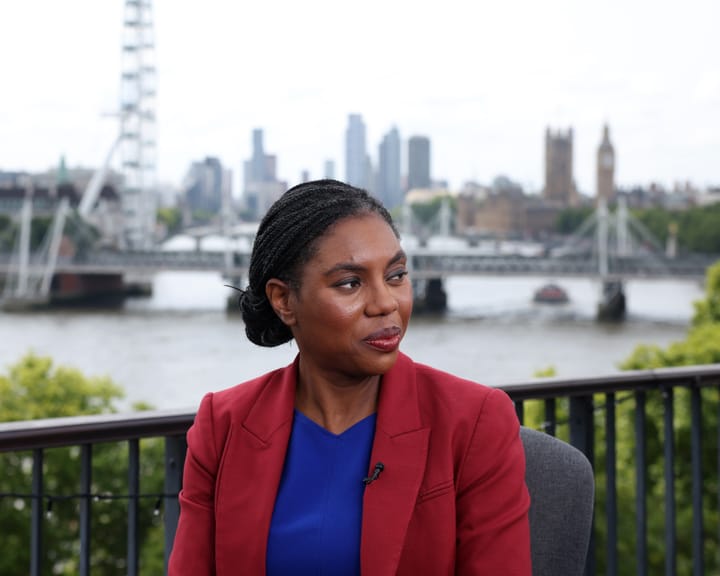
Badenoch returns to Conservative conference, markedly stronger than a year ago
A year ago, Tory MPs feared a fresh leadership revolt against Kemi Badenoch as Tories hit historic 14-16% support; November, after 12 months, was hushed: decisive challenge month. Yet, despite poor polls, “Keminisation” saw her impose style and authority.
More in Common’s Luke Tryl, director, said Badenoch holds

UK sanctions plan on illegal Israeli settlements faces criticism from US, Israel and British MPs
Today, with the agreement of Prime Minister Netanyahu, Israeli officials announced a series of countermeasures in response to new sanctions declared by the British foreign secretary of the Labour government, following a sequence of anti-Israel decisions by the same administration.
The accusations leveled today by the Labour foreign secretary,

UK announces trade ban on Israeli settlements as tougher stance
Ed Miliband will announce a broad reset of the UK’s relations with Israel on Tuesday, pledging a more active stance in support of the Palestinian cause. In an intervention drawing fierce criticism from the US and Israel, the foreign secretary will impose a ban on trade in goods and