
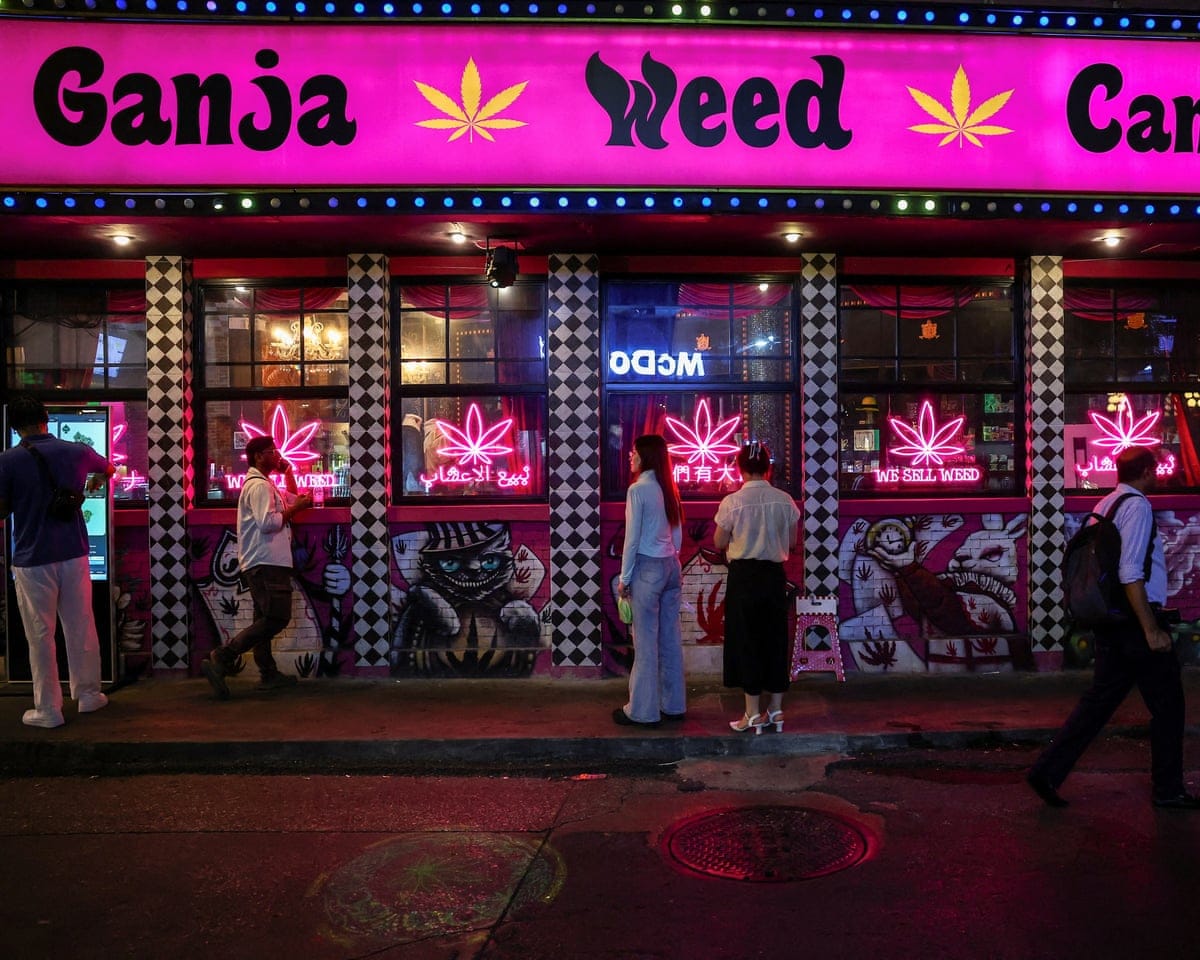
Along Bangkok’s well-known tourist area, Khao San Rd, shops display a variety of cannabis products claiming to provide relaxation, mood improvement, or increased energy and laughter.
Since cannabis was legalized in Thailand three years ago, countless stores have opened nationwide, many marked by glowing signs with marijuana-leaf designs.
However, recent government measures introduced in June have reinstated criminal penalties for recreational cannabis use, throwing the country’s $1bn industry into uncertainty. Business owners are rushing to meet new requirements, with some worried they may have to shut down.
Under the new regulations, anyone buying cannabis must now present a medical prescription.
The specifics of how these rules will be enforced, as well as the guidelines for obtaining prescriptions, are still being refined. Some reports indicate shops may need to register as medical facilities.
For business owner Natthakan Punyathanaworakit, the announcement was the breaking point. She closed one of her three Bangkok shops after the change, citing already difficult conditions.
“Most licensed shops will close,” she says, predicting many will instead operate unofficially.
The move to tighten restrictions came after the Bhumjaithai Party, which had backed legalization, exited the ruling coalition following criticism of Prime Minister Paetongtarn Shinawatra’s handling of a dispute with Cambodia.
Health Minister Somsak Thepsutin stated the reforms aim to enhance public safety and shield young people from harm.
Cannabis retailers, however, argue the issue has been politicized and that the new rules will disproportionately impact smaller businesses unable to employ medical professionals.
Decriminalization represented a significant shift for Thailand, a nation with a historically strict anti-drug stance, though the policy faced difficulties from the beginning. The change allowed numerous individuals convicted of cannabis-related crimes to be freed, while politicians touted new economic benefits.
Critics argued the legalization was rushed without proper regulations. Partial restrictions were later introduced, such as bans on cannabis near schools and sales to those under 20 or pregnant.
The rapid spread of cannabis stores has also unsettled the public, while rising smuggling incidents have drawn criticism. Earlier this year, two British women were arrested in Georgia and Sri Lanka for transporting large amounts of cannabis from Bangkok, facing potential long prison terms.
Chokwan Chopaka, a cannabis business owner, doubts the new rules will improve safety, noting that past regulations were poorly enforced. “Without enforcement, competition becomes impossible,” she says.
Read next
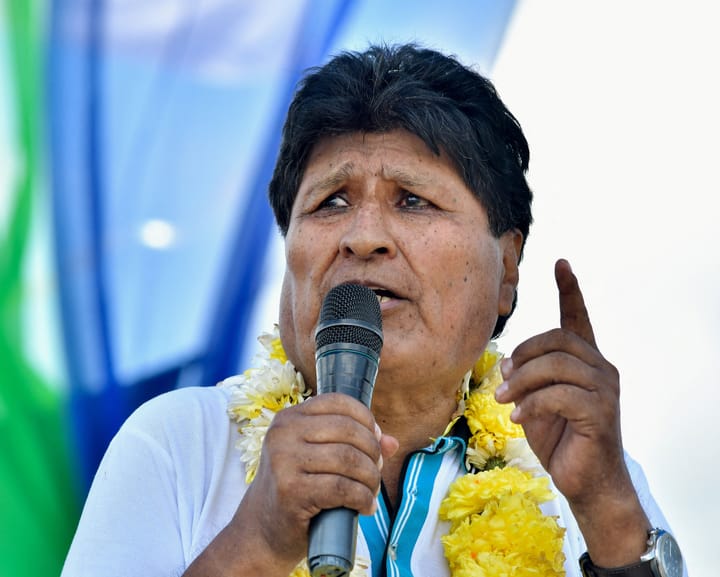
Bolivia Probes Ex-President Evo Morales for Suspected Involvement in 2009 Killings
The Bolivian attorney general has initiated an investigation into former leftist president Evo Morales, citing allegations of his involvement in the murder and torture of European nationals in 2009.
In 2009, police conducted a raid on a Santa Cruz hotel, resulting in the deaths of Eduardo Rózsa Flores, a Bolivian-
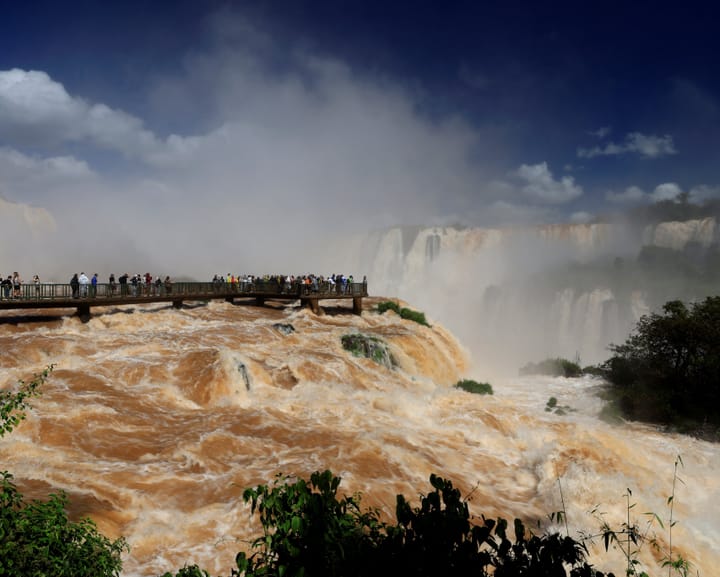
Argentina Closes Iguazu Falls Temporarily Due to El Niño-Induced Water Surge
Heavy rainfall driven by a potent El Niño weather pattern temporarily led Argentinian authorities to close tourist access to the renowned Iguazu Falls. The closure occurred due to concerns that rising water levels might cause the river to overflow its banks.
On Monday, national park officials implemented this precautionary measure
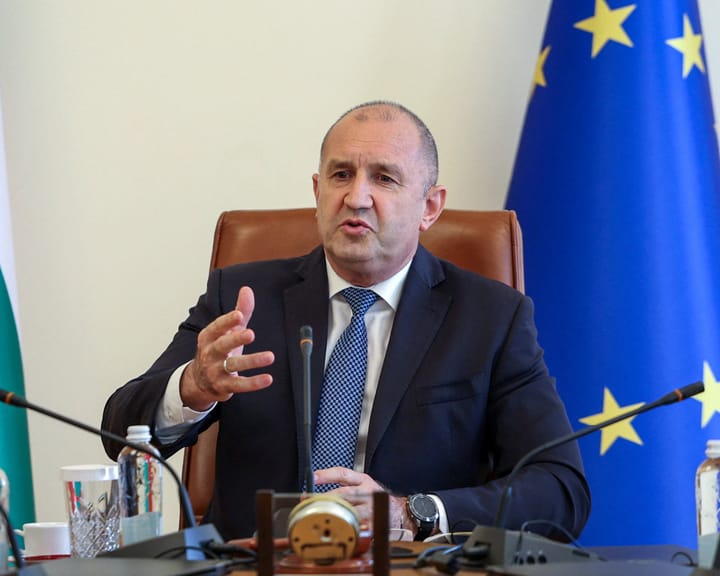
Mysterious Drones Strike Two Vessels Near Bulgarian Coast – Europe Live
Morning Update: Two Ships Targeted by Drones Off Bulgarian Coast
This morning, two ships in the Black Sea near Bulgaria were struck by drones of unknown origin. The attack led to the sinking of one vessel and initiated emergency rescue operations, as reported by Bulgarian Prime Minister Rumen Radev. Rescue