
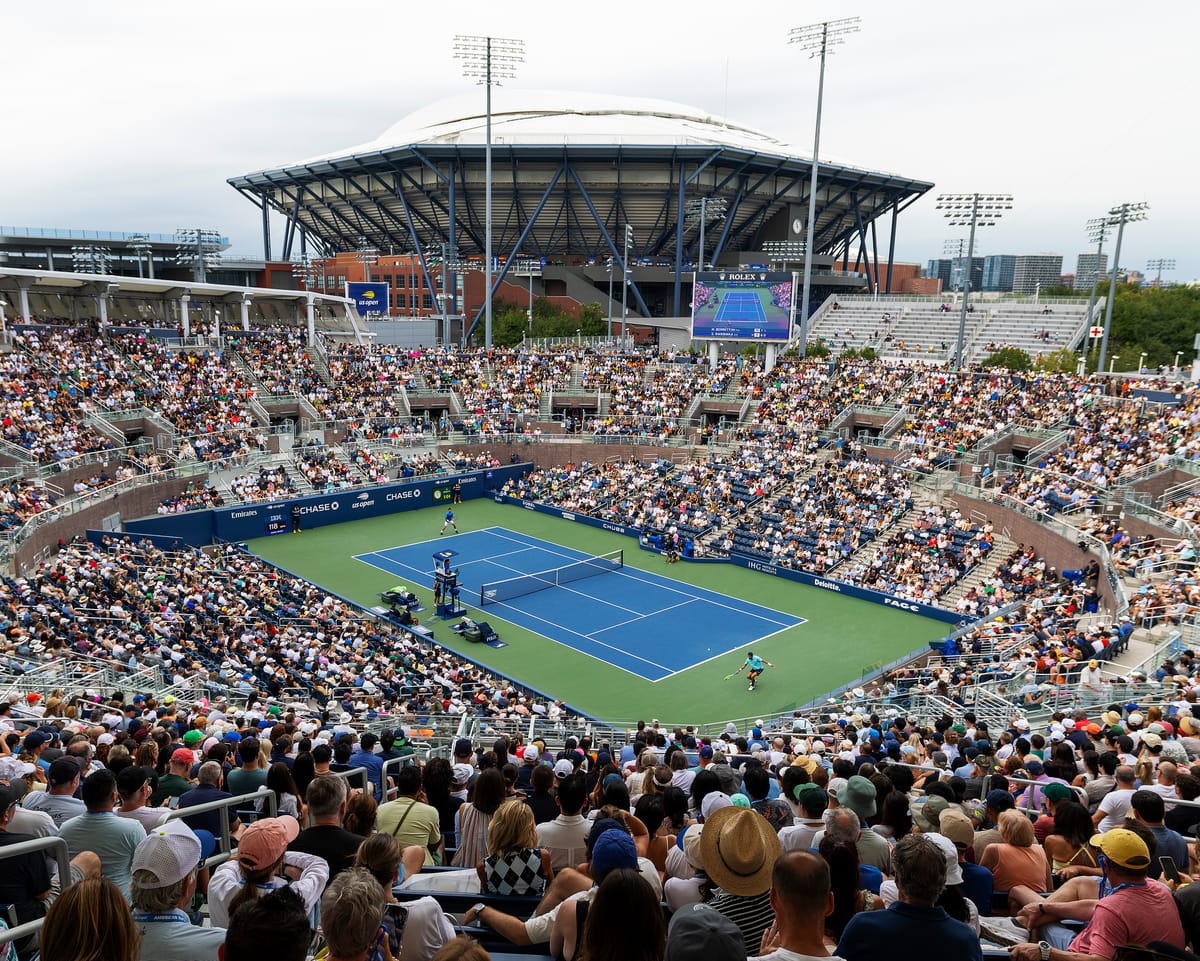
During the first week of a recent US Open, Jiri Lehecka struggled to find his rhythm while a spectator seated near his bench on court 4 taunted him for three consecutive sets. “He was talking to me like: ‘You can’t do it. You are tired. He’s better than you are,’” Lehecka said. Although he stayed composed and won the match, he suspected the man was a bettor who had wagered against him and had positioned himself courtside to influence the result. Lehecka mentioned the behavior to the chair umpire, who explained that intervention was only possible if the spectator crossed into clear insults. “As soon as you start going against the other player instead of cheering for the player you had a bet on, I think this is wrong,” Lehecka said.
Disruptive bettors have become a familiar presence at professional tournaments, particularly in Europe but also across the global circuit, from grand slams down to lower-tier World Tennis Tour events, where sparse crowds make such individuals more visible. The Italian Open’s Pietrangeli stadium and the US Open have both developed reputations for the phenomenon. Italian player Lorenzo Musetti, ranked 14th in the world, confirmed the pattern is widespread: “Unfortunately, there’s still this problem that we see sometimes, especially in some matches which is pretty clear that there’s some people from the crowd that they bet and that they are cheering for the ones that maybe it’s not the home favourite or they disturb the game.”
Last year, Swiss player Leandro Riedi confronted a spectator he believed had bet on his victory and reported the individual to the umpire. Lower-ranked players assigned to smaller courts are especially exposed, as they compete in closer proximity to spectators than top players on show courts.
Betting permeates modern tennis at every level, bringing corrosive effects. After every loss, and even after wins, players face online abuse, threats and hate speech from bettors. Match-fixing linked to gambling has led to sanctions against numerous players over the years.
This year’s US Open has intensified the conversation. On the eve of the tournament, organizers announced a partnership with Kalshi, a sports betting and prediction company. Soon after, the US Open’s app sent push notifications featuring match predictions sponsored by Kalshi. While players continue to absorb the negative consequences of betting, the tournament profits from the same industry.
Currently, neither the Association of Tennis Professionals, the Women’s Tennis Association nor the grand slams have specific rules targeting disruptive bettors. Umpires can intervene only when a spectator becomes abusive. Players are divided on how to respond. Musetti believes governing bodies must act: “The [tennis governing bodies] have to do something and have some security because we cannot do much on the court.” Jakub Mensik, by contrast, views it as an unavoidable part of the profession. “It’s basically already part of us, part of all of the athletes, and we just unfortunately have to manage it,” he said. American Tommy Paul, ranked 21st, echoed that sentiment: “It’s annoying, for sure … but it’s kind of what we signed up for.”
Others remain defiant. Coco Gauff dismissed the idea that any unruly bettor could affect her performance: “If they want to come, they can try and see if they can rattle me, but it won’t work.” Frances Tiafoe, asked whether he had encountered the problem, laughed. “You don’t want me to have that. It would definitely hit headlines,” he said.
Read next
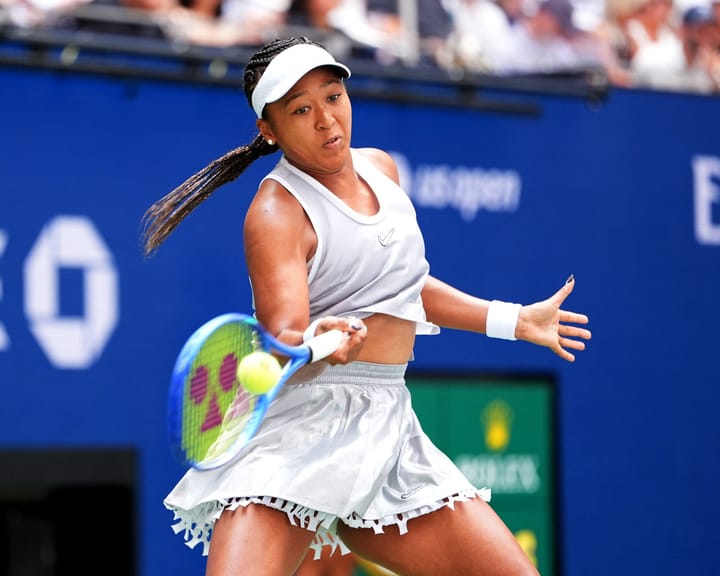
Naomi Osaka battles past Siniakova in tough US Open win
Naomi Osaka appeared to be cruising for a second consecutive match at the US Open. The two-time champion established a set and a break lead in her round two match against Katerina Siniakova, with an uneventful return to the third round beckoning.
But Osaka was overcome by tension in
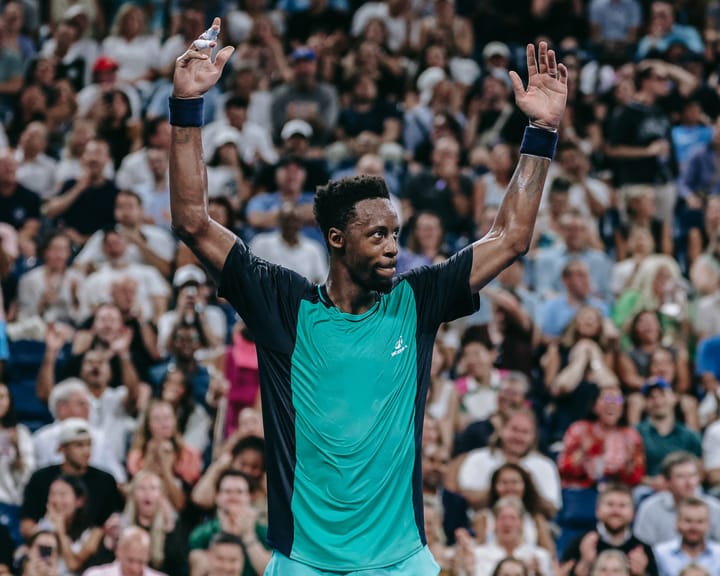
Gaël Monfils bids farewell to Grand Slam tennis following US Open loss to Learner Tien
Gaël Monfils’s final grand slam appearance was a quieter one rather than the dramatic five-set exit many expected. The tennis great, known for his showmanship, did not get the blockbuster farewell. He had already delivered a thrilling five-set fightback at his home French Open earlier this year,
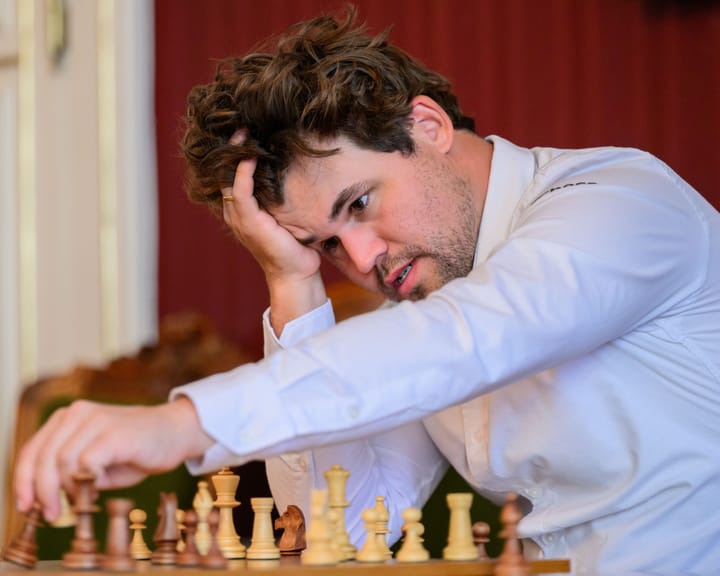
Magnus Carlsen and Sindarov set for at least two clashes in IPL-style Global Chess League
Magnus Carlsen, the world No 1, will be paired at least twice in the coming days with the world championship challenger, Uzbekistan’s Javokhir Sindarov, in the Tech Mahindra Global Chess League, the six-team franchise competition.
In 2024 the Global League was held in London, but this year it