
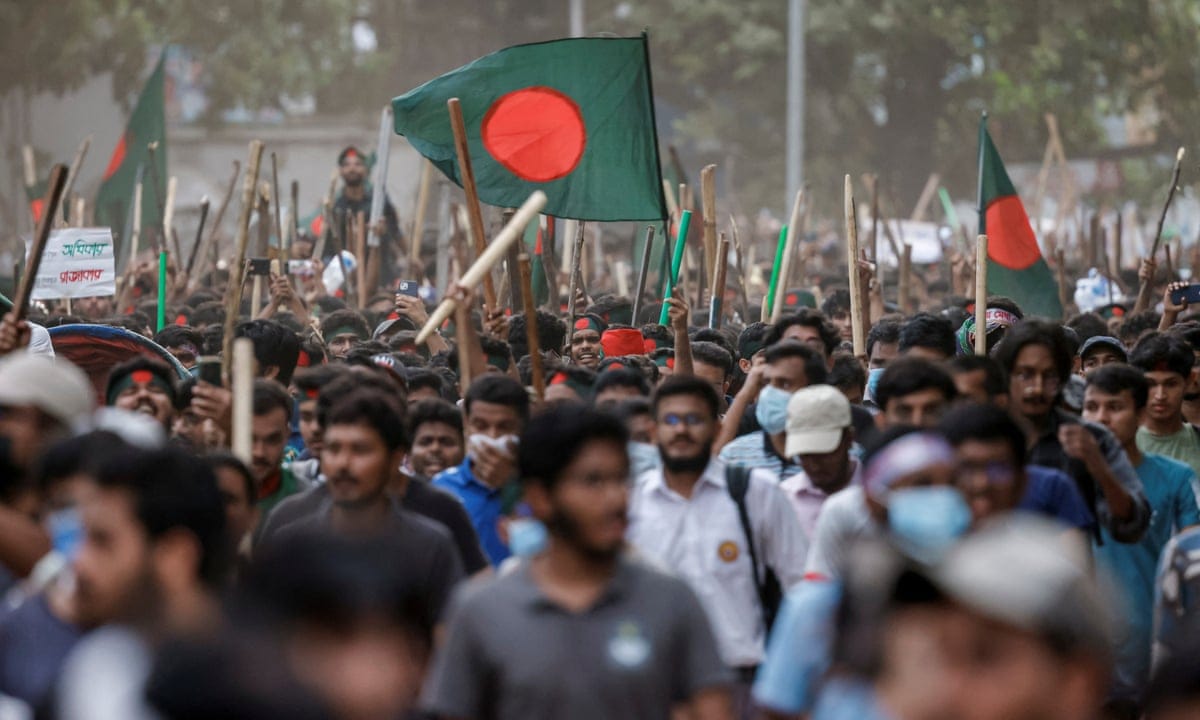
Protests erupted at universities across Bangladesh following demands for an end to "unreasonable" job quotas reserved for relatives of war veterans. This ruling was reversed in 2018 but reinstated recently after a court's directive, sparking widespread discontent due to the already challenging employment landscape.
Demonstrations continued even as courts suspended the quotas order and students pledged ongoing protests until they were permanently abolished. The government faced backlash when police used teargas against student marches, resulting in injuries and escalating tensions across major cities like Dhaka.
Amidst clashes involving security forces and aggrieved students, casualties emerged as the unrest persisted. Prime Minister Sheikh Hasina's comments on quota beneficiaries stirred controversy, with many perceiving an affront to the nation's freedom fighters. Student leaders expressed concerns about discriminatory practices in employment and called for equal opportunities regardless of ancestral connections.
The student-led demonstrations reflect broader dissatisfaction with governance under Hasina’s Awami League, citing economic woes, unemployment struggles, and suppressive measures against free expression as driving factors behind their protests. Human rights organizations have condemned the violent government response to peaceful assemblies.
Read next
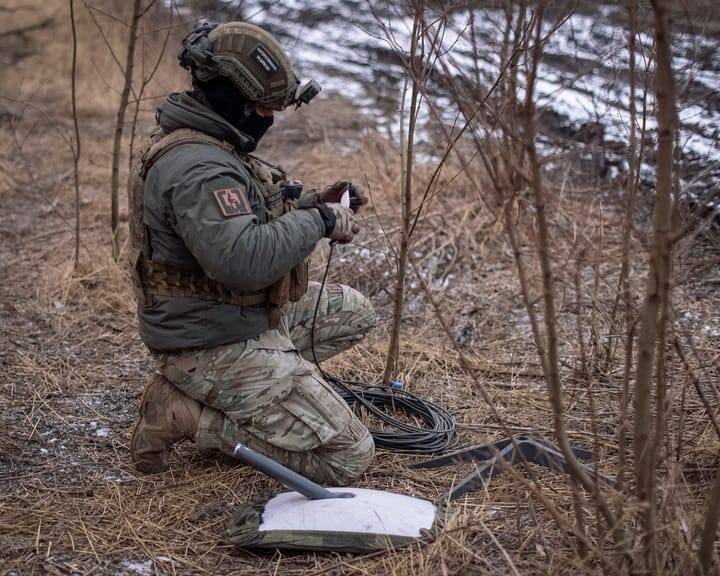
Ukrainian combat troops gain restricted access to Starlink satellite internet
Ukrainian soldiers experienced a sudden disruption in their access to Starlink satellite internet terminals amid increased pressure from the Trump administration for Ukraine to cease long-range attacks on Russia’s oil infrastructure. These terminals, managed by Elon Musk’s SpaceX, are vital for Ukraine's military operations. The
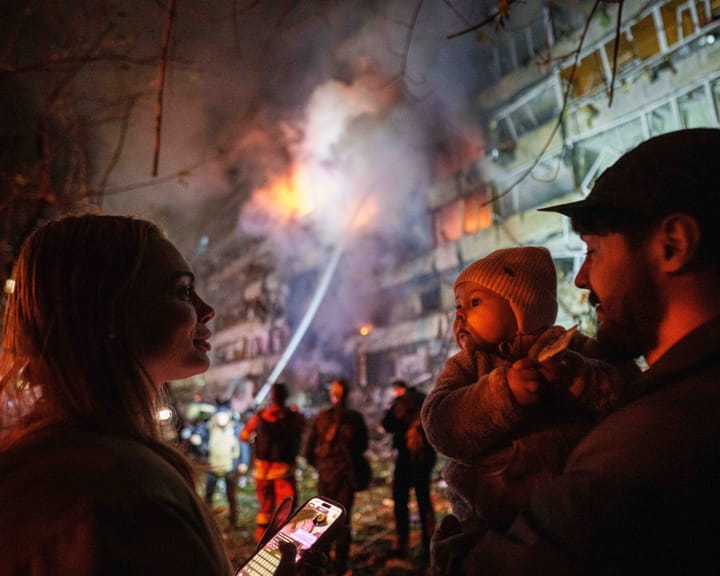
Russia's latest Ukraine attacks show 'disrespect' towards US, says Zelenskyy — Europe live
Sikorski Confronts Musk Over Starlink in Ukraine
Poland’s Foreign Minister Radosław Sikorski recently addressed Elon Musk on X, questioning reported restrictions on Starlink services in Ukraine. Poland contributes significantly to Ukraine’s funding of Starlink, which is crucial for maintaining internet connectivity in Kyiv and its military operations, with

"Breaking Stigma: Nikita Jager's Triumph in Civil Rape Case Against Conor McGregor"
Nikita Hand faced a challenging decision when considering a civil case against Conor McGregor following a 2018 assault. Despite her personal reservations about being an "imperfect victim" due to alcohol and drug use on the night of the incident, she chose to proceed. This decision stemmed from her