
China Tightens Controls on Rare Earth Exports, Citing National Security Concerns
China has introduced stricter regulations on the export of rare earths and related technologies, reinforcing its oversight of materials essential for products ranging from smartphones to military equipment.
The new rules, announced by China’s commerce ministry on Thursday, require government approval for the export of technologies involved in rare earth mining, processing, recycling, and magnet production. The ministry stated that these measures are necessary due to potential threats to national security posed by foreign military use of such exports, whether directly or indirectly. Approval may not be granted in certain cases.
The announcement comes amid ongoing trade discussions between the U.S. and China, just weeks ahead of an expected meeting between Chinese President Xi Jinping and former U.S. President Donald Trump at the APEC summit in South Korea.
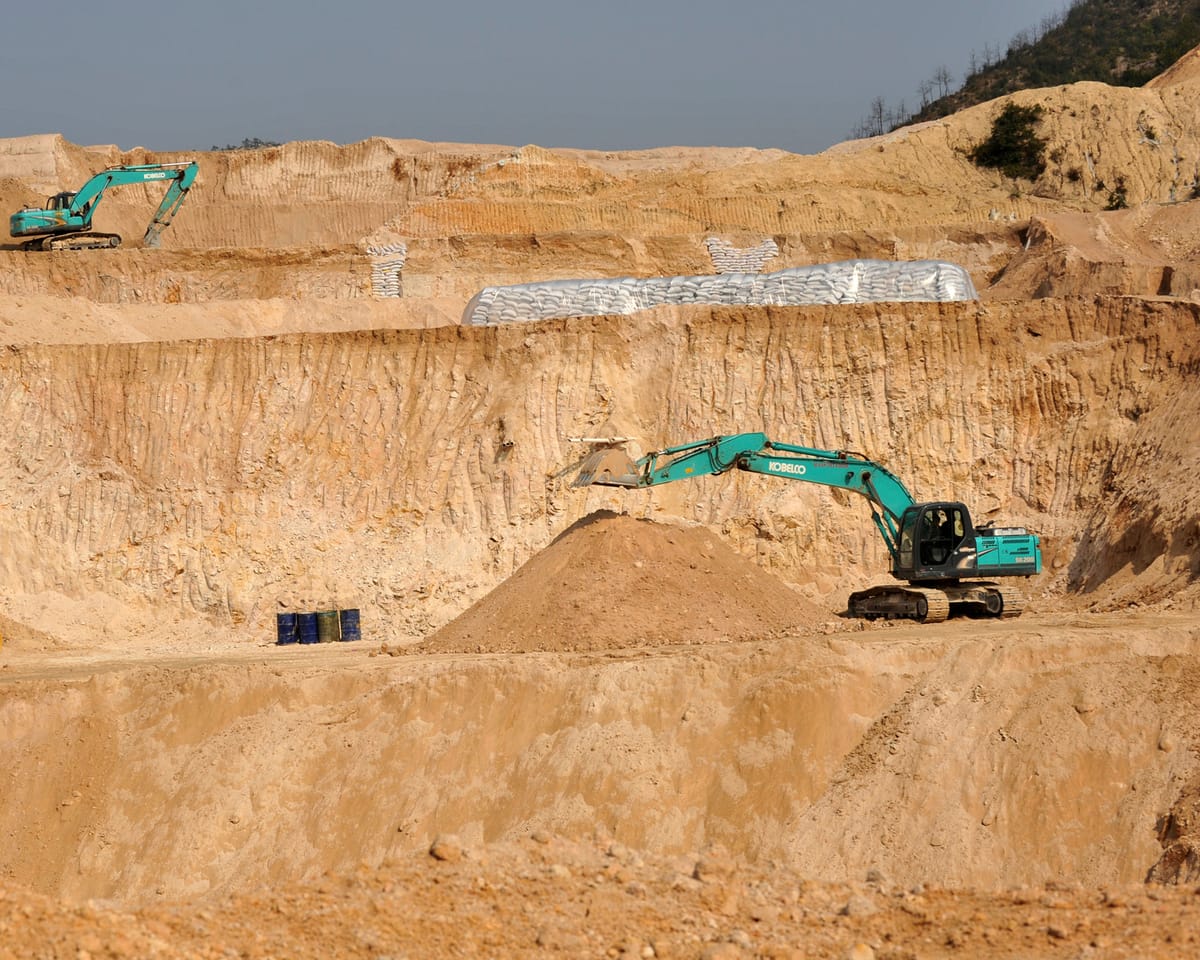
Rare earths and rare-earth magnets are crucial for manufacturing consumer electronics, automobiles, jet engines, and radar systems. China dominates global rare earth production, accounting for roughly 70% of mining output and nearly all separation, processing, and magnet manufacturing.
The regulations also prohibit Chinese citizens and companies from assisting in overseas rare earth-related activities. Foreign firms using Chinese equipment or components abroad are now expected to seek authorization, though enforcement mechanisms remain unclear.
Exports containing even minimal traces of Chinese rare earths will require ministerial approval. Holders of previously issued export permits for dual-use items must submit their licenses for review.
Most of the new rules, effective immediately, build upon restrictions first introduced in April and indicate Beijing’s focus on specific sectors. Defence-related exports will not be permitted, while applications involving advanced semiconductors will be assessed individually.
The ministry accused unnamed entities of transferring rare earths and technologies abroad for military or sensitive applications, claiming such actions harmed China’s security and global non-proliferation efforts.
Rare earth supply has been a key point in U.S.-China trade negotiations. Earlier export controls, implemented in response to U.S. tariffs, caused disruptions, though recent agreements have alleviated some shortages. However, the issue remains unresolved in ongoing trade discussions.
Read next

Russian Assault on Buses Near Ukraine Border Results in 30 Deaths
Thirty people have been killed and eighteen injured following an attack by Russia on two passenger buses in Kramatorsk, near the frontline in eastern Ukraine, according to local authorities.
The Donetsk regional prosecutor's office reported that the death toll from the morning attack on the buses had reached

Ethiopia Conducts Drone Strike on Eritrean Forces in Tigray Region
Eritrean forces reportedly crossed into Ethiopia's Tigray region and faced drone attacks from Ethiopian government forces, raising concerns about the potential for a broader regional conflict between the two neighboring countries.
Military vehicles transporting soldiers crossed the southern border of Eritrea into Tigray on Wednesday, reaching Adigrat, approximately

Israel Advances Film Resembling NAZA Documentary
The Israeli government is promoting an online film project designed to counter the findings of the award-winning documentary NAZA, which details Israel’s mass killings of civilians in Gaza. NAZA, directed by Oscar-winning filmmakers Yuval Abraham and Rachel Szor, is currently in cinemas and will be shown in