
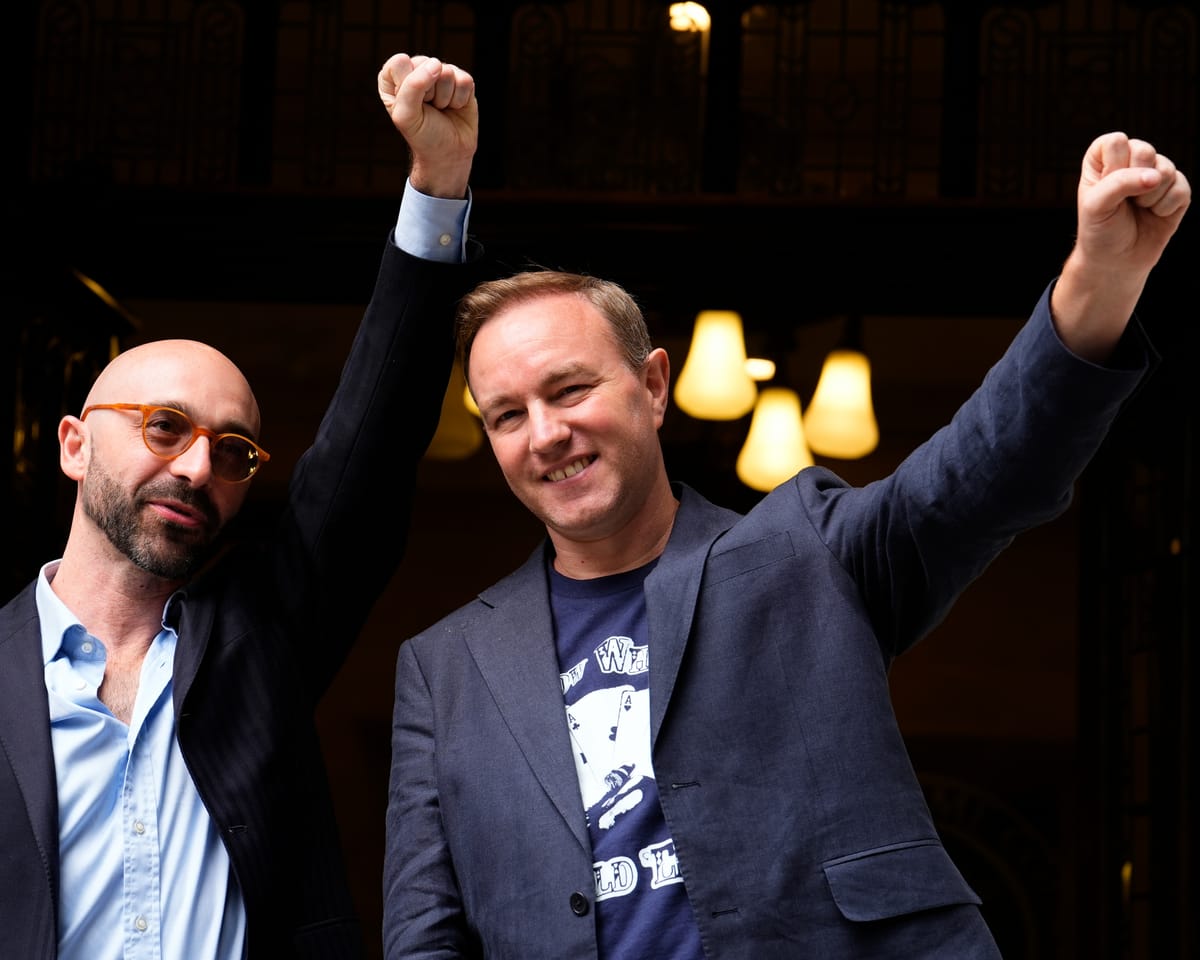
Tom Hayes, the first banker imprisoned in connection with the Libor scandal in 2015, has had his conviction overturned by the UK’s highest court, clearing his name.
A panel of five justices, led by Lord Reed, ruled on Wednesday that the instructions given to the jury in Hayes’s original trial a decade ago were “inaccurate and unfair.” As a result, the court found that the former UBS and Citigroup trader did not receive a fair hearing.
“The convictions are therefore unsafe and cannot stand,” the court stated.
The decision follows a legal battle lasting several years and could lead to other related convictions being dismissed. The ruling is a setback for the Serious Fraud Office, which initially prosecuted Hayes and later confirmed it would not pursue a retrial.
Outside the court, Hayes expressed relief. “I had 10 years to try and figure out what I would say at this moment,” he remarked. “It feels surreal, almost like my conviction wasn’t real.”
He thanked the justices who reviewed his appeal, his supporters, and his legal team for their dedication. When asked about possible financial compensation, Hayes indicated that he would discuss options with his lawyers but emphasized that the case was never about money.
The court also overturned the conviction of Carlo Palombo, another banker sentenced in 2019 for Euribor manipulation, citing similar issues in the judicial process.
Hayes was imprisoned for five and a half years after being accused of leading efforts to manipulate the London Interbank Offered Rate (Libor) between 2006 and 2010. The scandal, uncovered in 2012, resulted in billions in fines for financial institutions. Hayes maintained his innocence, arguing that the practices were widespread and that he had been unfairly singled out.
Charged by both British and U.S. authorities in 2015, he was convicted in the UK that same year and released in early 2021. Last year, he challenged his conviction in court. A 2022 U.S. court ruling overturning the guilty verdicts of two Deutsche Bank traders in a related case influenced the recent decision to review his trial.
Read next
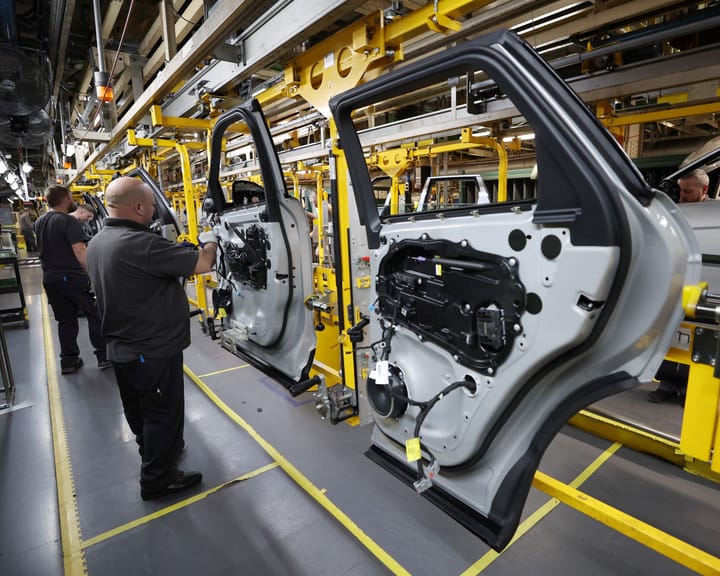
Jaguar Land Rover suppliers voice ‘everything is against us’ amid cutbacks
David Roberts, chair of Coventry-based Evtec, says the outlook for Britain’s automotive sector is grim, with “everything against us.” Evtec is a tier 1 supplier to Jaguar Land Rover, which this week announced 4,000 job cuts over two years despite chancellor John Healey’s attempt to talk

Europe’s fighter jet plans in disarray: what comes next?
When former ECB president and Italian PM Mario Draghi urged Europe to catch up economically with the US and China, defence collaboration was prescribed. No more should each nation build independent boats, tanks or jets; allies should share costs and technologies.
Europe stumbled at the first hurdle. German Chancellor Friedrich
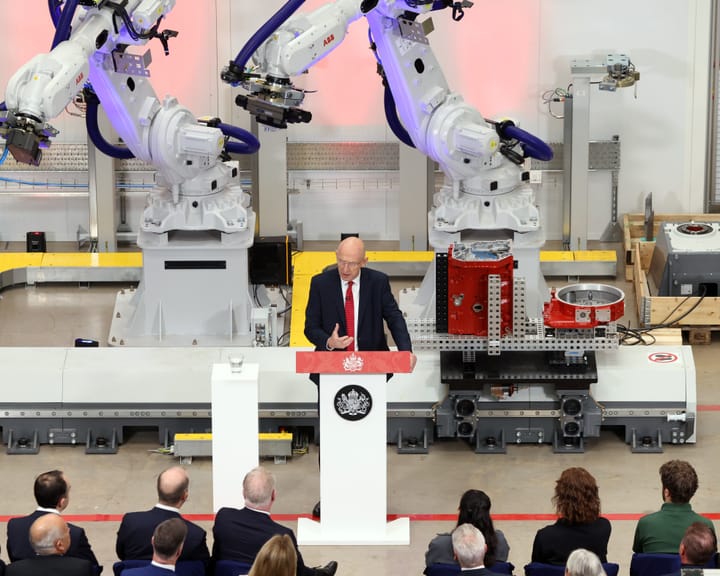
John Healey supports growth but insists Labour must be truthful about spending
John Healey has stated that his primary goal as chancellor will be to boost economic growth, while acknowledging that Labour must be straightforward about controlling public spending at next month's budget.
In his first major address since assuming the role in July, Healey said the leading focus of