
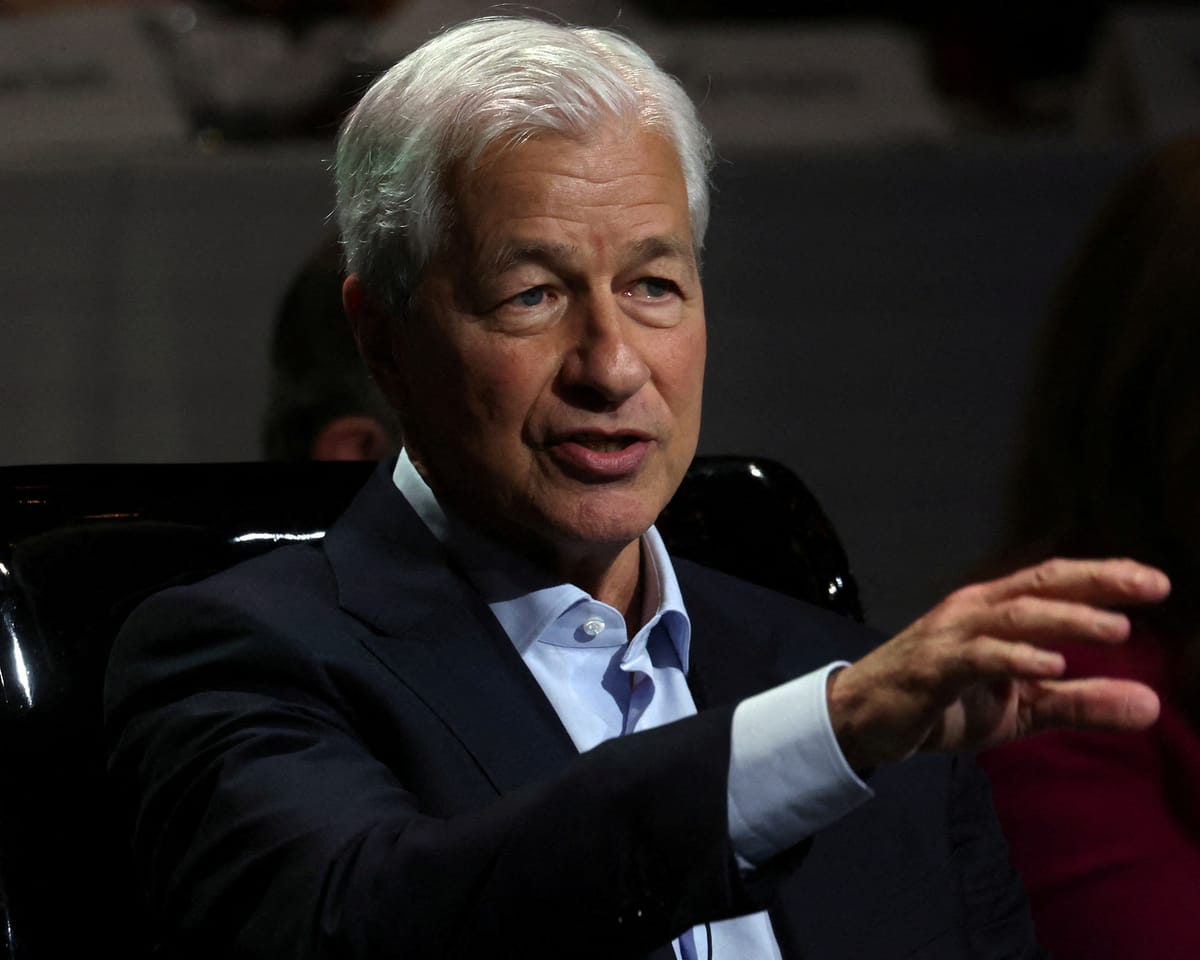
Head of Major Bank Warns of Potential Stock Market Crash
The likelihood of a significant decline in the U.S. stock market is much higher than many financial experts anticipate, according to the leader of the country’s biggest bank.
Jamie Dimon, chair and CEO of JPMorgan Chase, stated he is “far more concerned than others” about the potential for a sharp market downturn, which he believes could occur within the next six months to two years.
“The probability is greater than what seems to be reflected in current valuations or general expectations,” he said in an interview. “If markets are estimating a 10% chance, I would suggest it’s closer to 30%.”
Dimon cited numerous factors contributing to increased uncertainty, including geopolitical tensions, government spending trends, and global military expansion.
“These issues present challenges with unclear resolutions,” he noted. “As a result, I believe most people should be far more cautious than usual.”
His remarks follow a series of recent alerts regarding the possibility of a market adjustment.
Earlier this week, the managing director of the International Monetary Fund, Kristalina Georgieva, acknowledged the global economy’s ability to withstand recent disruptions but cautioned against rising risks, stating, “Prepare for ongoing uncertainty—it’s becoming the standard.”
“Before assuming stability, consider this: global resilience hasn’t been fully tested. And troubling signs suggest a serious challenge may arise,” she told attendees at an event in Washington.
Separately, there are growing concerns that inflated valuations of tech firms, particularly in artificial intelligence, may be fueling unsustainable market conditions. A recent report from the Bank of England highlighted mounting dangers of a “sharp reversal” in global markets.
Dimon acknowledged that while AI investments hold long-term promise, losses are probable.
“AI is undoubtedly significant—just as automobiles and television were transformative,” he said. “But, like those industries, many who participate in it may not succeed.”
Read next
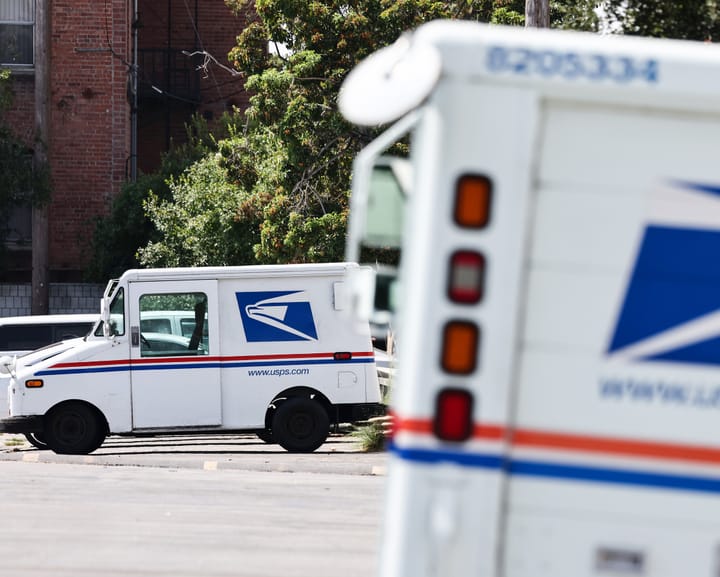
US Postal Service faces cash shortage by Feb 2027, agency chief warns
The United States Postal Service faces a cash shortfall within the next twelve months unless Congress removes the borrowing limit imposed on the agency, the postmaster general warned.
Speaking to the Associated Press, David Steiner said the service – which funds its operations through stamps and fees rather than tax revenue

UniCredit launches aggressive bid for Commerzbank as European takeover war intensifies
Two major European banks have entered a €35 billion (£30 billion) takeover contest after Italy’s UniCredit intensified its long‑standing bid for German lender Commerzbank, despite firm resistance from the German government.
UniCredit initially acquired a 9 % stake in Commerzbank in September 2024 and has since increased its holding

IEA weighs tapping additional oil reserves amid Iran conflict driving up prices
The international energy regulator is weighing another release of emergency crude reserves into the world market to temper climbing oil prices, after cautioning that market recovery will be slow following the ongoing strait of Hormuz crisis.
Fatih Birol, chief of the International Energy Agency, noted that member nations still hold