
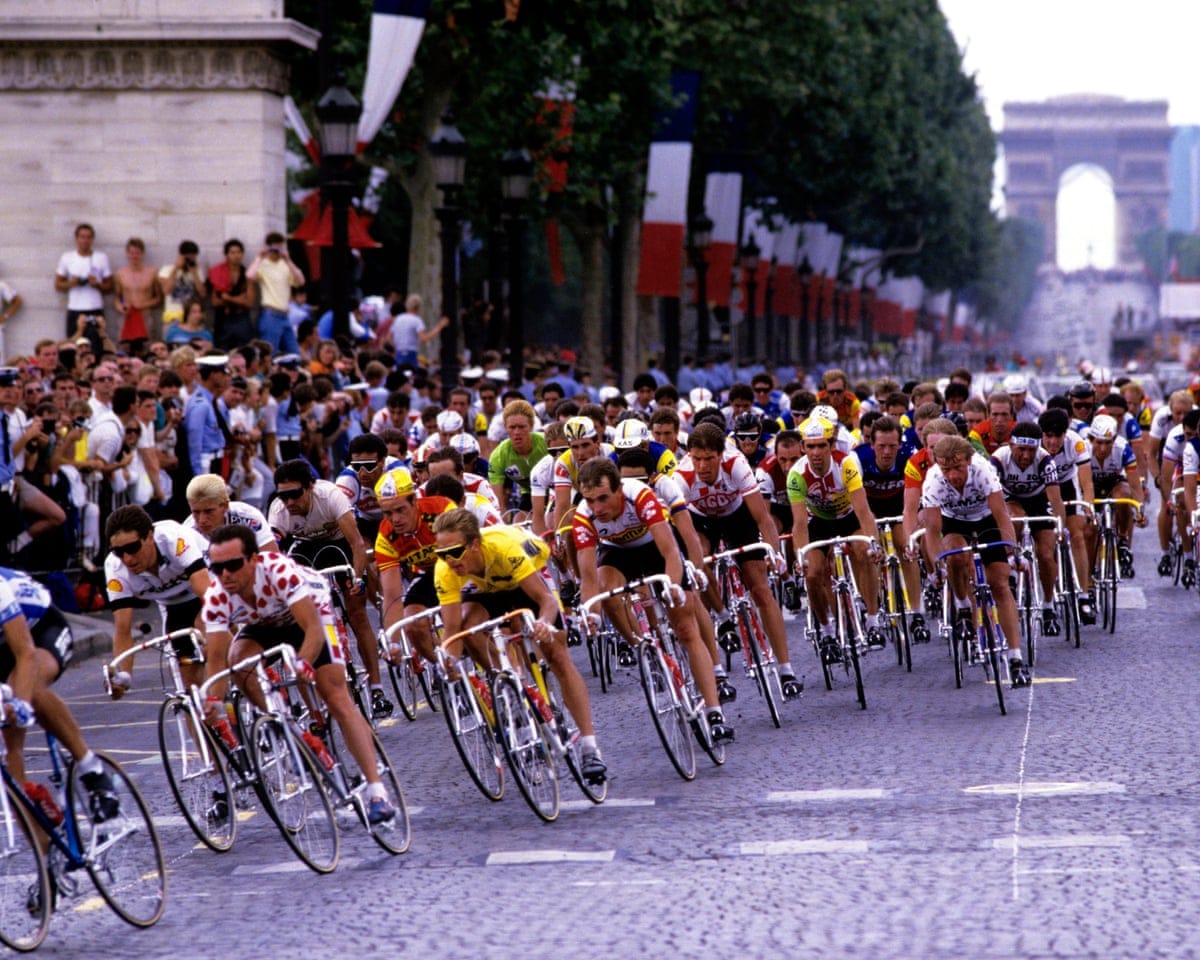
It is now difficult to imagine the Tour de France without two key elements: the leader’s yellow jersey and the final stage on the Champs-Élysées, which marks its fiftieth anniversary this summer. The finish line has only moved away from the famous avenue once in the past half-century, during the 2024 Olympic preparations, and the Tour seems incomplete without that last sprint along the grand boulevard, lined with its luxury boutiques, cafes, gardens, and towering plane trees.
Historically, the race always concluded in Paris, initially at the Parc des Princes velodrome and later at the Cipale velodrome in the Bois de Vincennes, with the Champs-Élysées often serving as a ceremonial starting point. The idea for a triumphant finale on the avenue was reportedly influenced by the 1974 Giro d’Italia, which featured a circuit race in Milan. The proposal came from television presenter Yves Mourosi, who announced the plan during his midday news broadcast in November 1974.
The inaugural Champs-Élysées stage saw attacks from Eddy Merckx, who had just suffered his first Tour defeat to French rider Bernard Thévenet—a time when a seven-year drought without a home victory was seen as a national crisis. The event marked a turning point, as France’s political elite embraced the Tour, with President Valéry Giscard d’Estaing personally awarding Thévenet his yellow jersey.
This was also a more idealistic era, when politicians could openly challenge commercial influences in sports. Giscard refused to be photographed aiding the winner into a jersey plastered with sponsors’ logos, so the maillot jaune remained plain—though it was made of thin silk, inadvertently revealing the checkerboard pattern and the name of Thévenet’s sponsor, Peugeot Cycles. The reaction of the official jersey sponsor, Miko ice cream, remains unrecorded.
The Champs-Élysées finale has evolved over time. Initially, it was a standalone 163-kilometer stage, followed by a brief period with split stages—a morning time trial and an afternoon circuit race. The 1989 finish, a time trial starting in Versailles, delivered such a dramatic conclusion (won by Greg LeMond) that it has never been replicated. More recently, the finish was shifted to a later hour, extending into the evening, while the circuit was lengthened to include the photogenic backdrop of the Arc de Triomphe.
Recent tradition dictates that the early part of the final stage is a relaxed procession, with the leader’s team controlling the race until the Champs-Élysées, ensuring no change in the standings. However, this wasn’t always the case. Greg LeMond, a three-time winner, pushed ahead of Miguel Indurain in the opening laps of the 1991 finale, while Lance Armstrong’s sixth victory celebration in 2004 was disrupted by Italian rider Filippo Simeoni’s late efforts.
Read next
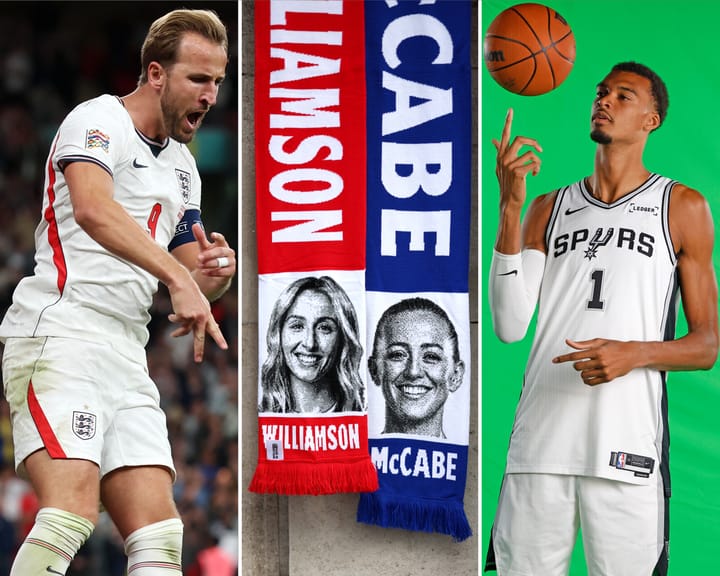
Weekly Sports Quiz: Focus on Harry Kane, Victor Wembanyama, and WSL Champions
Local Community Efforts Drive Environmental Change
In a small town nestled between rolling hills and dense forests, residents have taken it upon themselves to spearhead a movement aimed at fostering environmental sustainability. This grassroots initiative is drawing attention for its comprehensive approach to tackling ecological challenges.
At the heart of
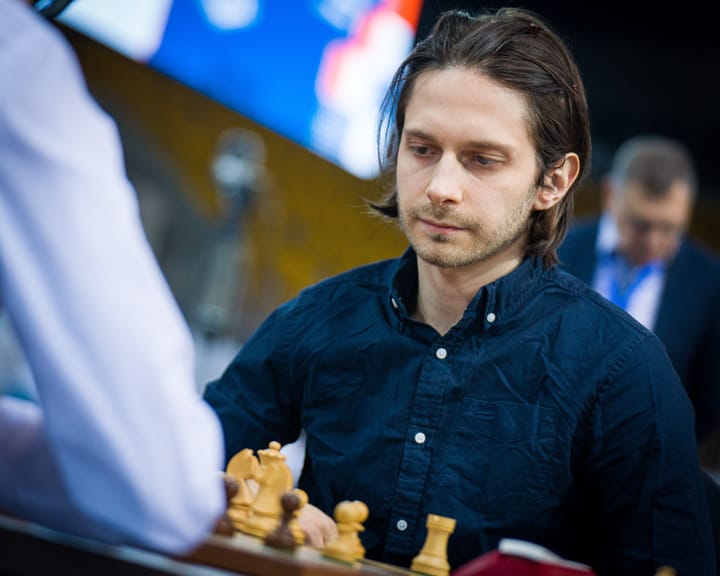
France and US Reign in Rapid and Blitz at Pall Mall Masters Chess Event
Mastering chess in central London is uncommon, though the annual ChessFest in Trafalgar Square draws over 20,000 visitors.
In London's Pall Mall club scene, the RAC clubhouse has been the site for the Oxford vs. Cambridge Varsity match for nearly fifty years. In 2023, the Athenaeum hosted
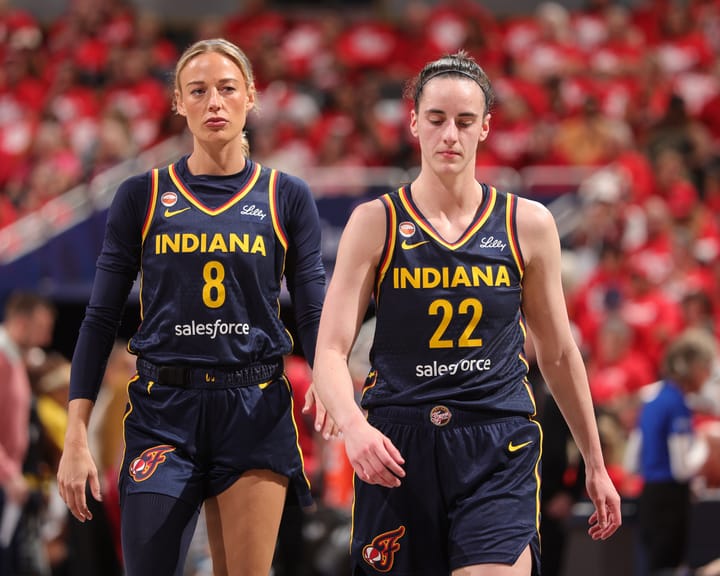
Indiana Fever and the Magasphere: A Risky Route to Fame for a WNBA Team
The Indiana Fever's season has concluded, marked by both its on-court performance and off-court controversies. Despite being eliminated by the Las Vegas Aces for the second consecutive year, the team has drawn significant attention, becoming a focal point in the WNBA this season.
The Fever'