
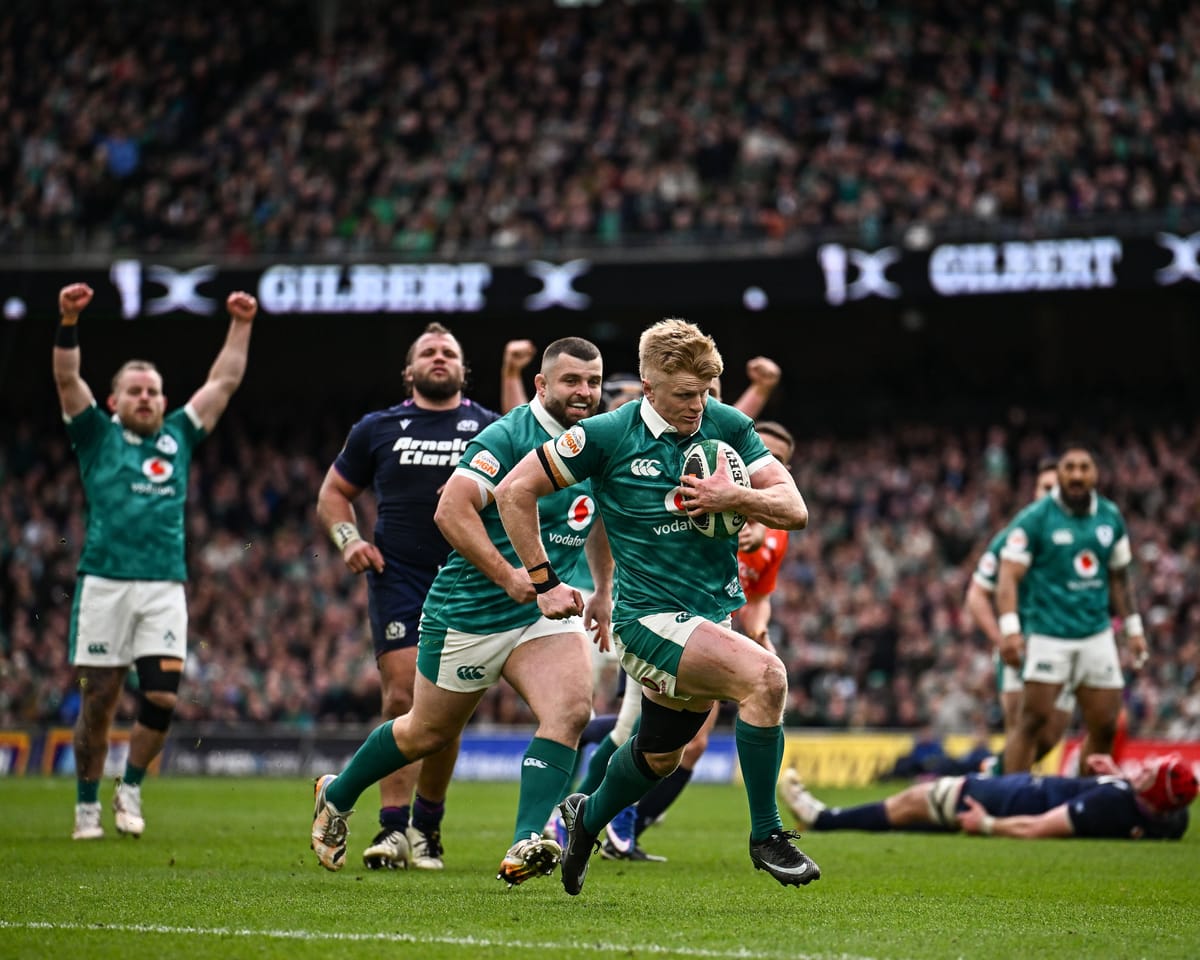
Some Irish supporters even admitted they would not resent a Scottish win, the triple crown and, perhaps, a maiden Six Nations triumph. There was a feeling that Gregor Townsend’s men had finally earned their moment in the spotlight, especially after the impressive fourth‑round victory over France. And this Irish side had certainly enjoyed its share of sunshine against Scotland.
Irish players, however, made it clear they saw things differently. They were quick to remind Scotland that nothing is guaranteed in top‑level sport. Although the campaign was supposed to be a rebuilding year for Ireland, the standard they displayed wrote a depressingly familiar story from a Scottish viewpoint.
Ireland’s defensive organisation and shape were superb throughout, as was their work‑rate, and in no phase of the game did the visitors, despite their effort, seize the initiative.
Scotland threw everything at the opposition and produced moments of attractive rugby, yet, setting Ireland’s quality aside, the Scots were repeatedly – and all too familiarly – erratic at crucial junctures.
With the last play before halftime, Scotland trailing 19‑7, they earned a scrum free‑kick, tapped it and rushed forward. A try before the break would have been perfectly timed, but a careless Huw Jones pass skidded on the turf instead of reaching a teammate.
Jones slipped again in the final quarter, after Rory Darge’s superb try had reduced the gap to five points. Ireland appeared a little rattled by Scotland’s resurgence, but the outside centre knocked on the restart, handing Ireland good field position for Tommy O’Brien to cross for the first of his two scores.
Near the finish, with the match already decided, Sione Tuipulotu mishandled a Finn Russell pass in Scottish territory; Stuart McCloskey seized the ball and, with a smooth off‑load, sent O’Brien sprinting into the corner for the final blow.
The sequence did not alter the outcome, yet it was telling that Scotland’s captain produced another basic mistake, allowing the previously unnoticed McCloskey – perhaps the tournament’s standout player – to profit.
Can any of this be blamed on Townsend? Probably not, but it was evident which side executed a superior defensive system, utilised its resources wisely and applied pressure intelligently. Energy efficiency defined the day.
Scotland again found few answers, as has often been the case, to the breakdown vigor and shrewdness of players like Tadhg Beirne and Caelan Doris.
Russell, like his peers, gave his all for Scotland and displayed his usual flair – crisp distribution, daring kicks and constant awareness of gaps. Yet Ireland’s reluctance to over‑commit when Russell had the ball meant there were few opportunities for a response.
Read next
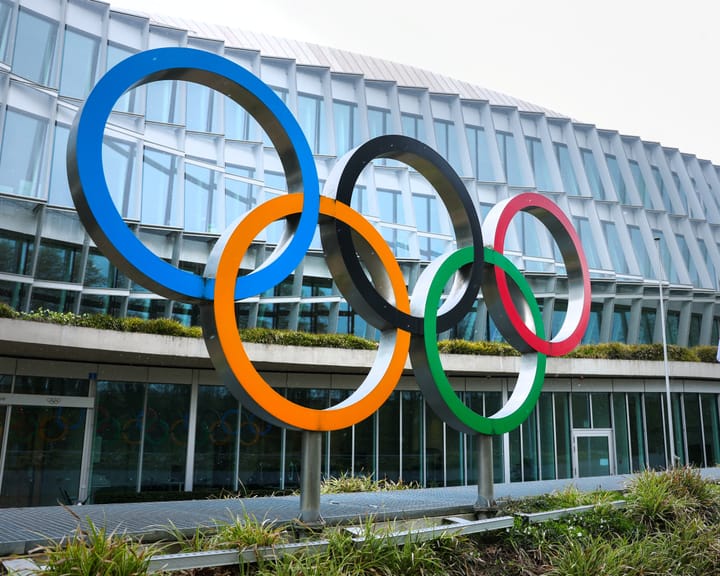
IOCbans transgender women athletes from competing in female Olympic events
The International Olympic Committee hasbarred transgender women and athletes with differences of sex development from competing in the female category at the 2028 Los Angeles Olympics and all future editions. Kirsty Coventry, IOC president, remarked: “It would not be equitable for biologically male individuals to take part in the women’
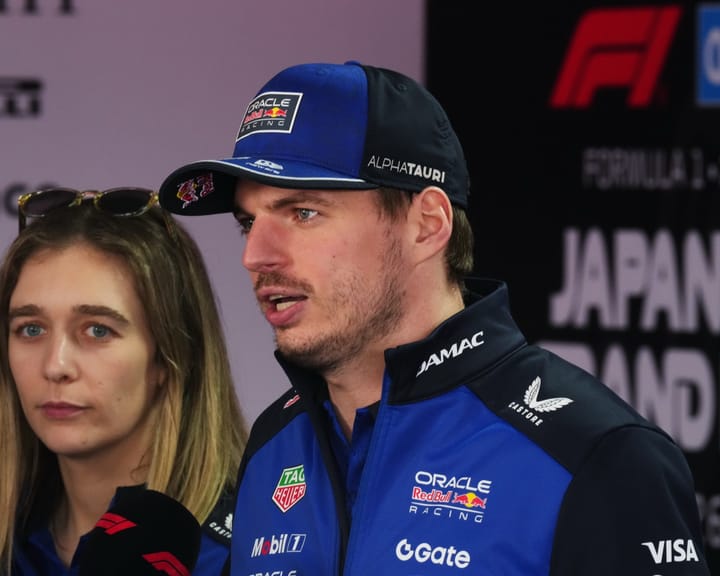
Why Max Verstappen Told Me toLeave the Press Conference
Overall, I consider myself fortunate to have a career that pays me to report on Formula One, a sport I’ve followed since 1976. Thus I hesitate to complain, yet I was genuinely upset when Max Verstappen removed me from his press briefing on Thursday at the Japanese Grand Prix,
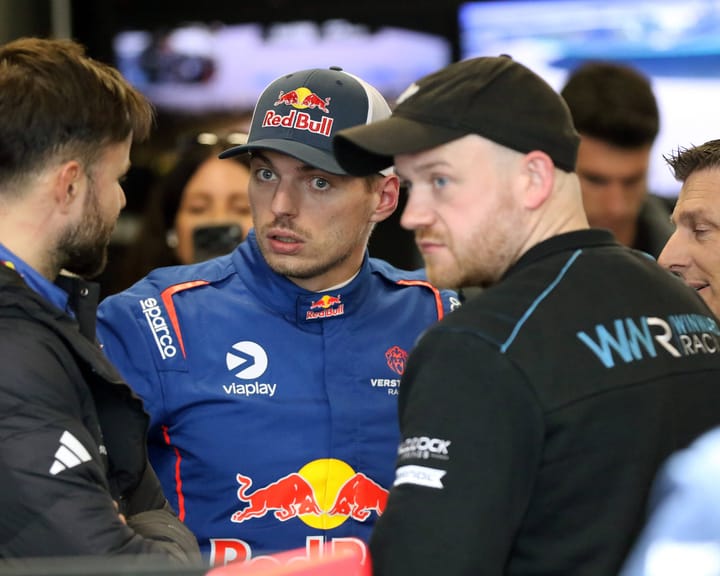
Max Verstappen loses Nürburgring win after tyre mistake leads to disqualification
Max Verstappen paused a difficult Formula One campaign by taking part in a four‑hour contest at Germany’s Nürburgring on Saturday, where he crossed the line first only to be officially stripped of the win.
The Dutch four‑time champion has indicated he intends to compete in the prestigious