
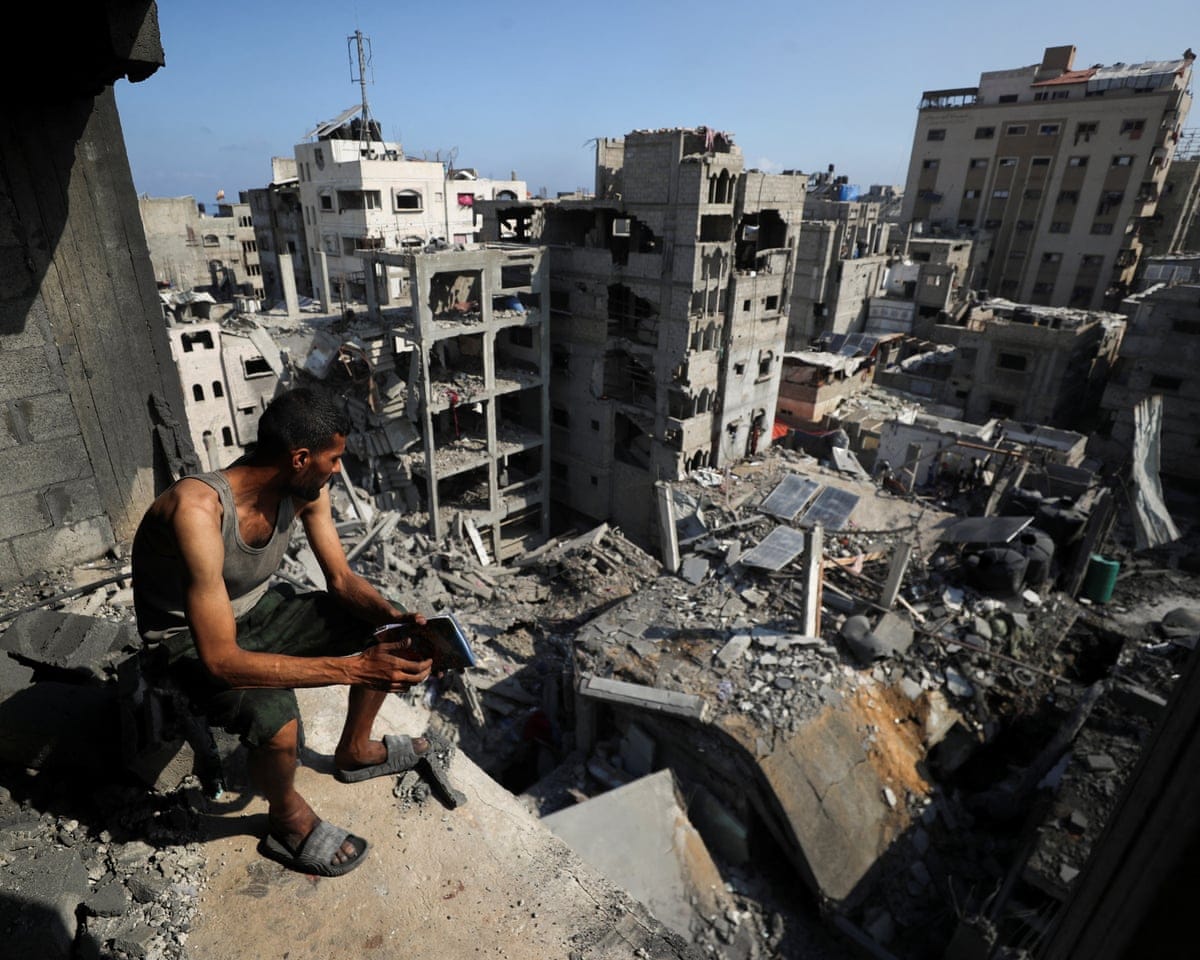
After nearly 21 months of intense conflict, the prospect of a new ceasefire now seems a matter of time rather than uncertainty, offering a possible halt to the fighting that has ravaged Gaza, unsettled the region, and shocked observers worldwide.
On Friday, former President Donald Trump suggested Hamas would agree within 24 hours to a proposal already accepted by Israel. Analysts anticipate a formal announcement after Israeli Prime Minister Benjamin Netanyahu arrives in Washington on Monday for his third visit since Trump took office.
If implemented, this would mark the third ceasefire since the war began, during which approximately 57,000 Palestinians, predominantly civilians, have lost their lives.
The first pause lasted just 10 days in November 2023. The second, imposed on a hesitant Netanyahu by Trump in February this year, collapsed in March when Israel failed to proceed with a promised second phase that might have ended hostilities permanently.
The proposed agreement includes the gradual release of hostages held by Hamas, the freeing of hundreds of Palestinians detained in Israeli prisons, urgent aid for Gaza, and the staged withdrawal of Israeli troops from recently occupied areas.
Like previous arrangements, the ceasefire would extend for 60 days, with further negotiations taking place during that time. Trump and neighboring nations are providing assurances to Hamas that Israel will not resume full-scale hostilities and that substantive discussions about a lasting resolution will occur.
A factor accelerating these efforts was last month’s brief confrontation between Israel and Iran, which concluded in a U.S.-mediated truce. That confrontation followed a chain of military and political setbacks for Tehran and its regional allies, including Hamas.
Equally significant was the political boost it gave Netanyahu. Though polls show only a minor rise in support for his Likud party and his personal approval, many in Israel celebrated what was perceived as a decisive blow against a formidable adversary.
If Netanyahu ends the war in Gaza in a manner voters consider successful, or at least tolerable, he could position himself in upcoming elections—likely next year—as the leader who strengthened Israel’s security, despite lingering criticism over the lapses that enabled Hamas’s October 2023 assault, in which militants seized 251 hostages and killed 1,200, mostly civilians.
By month’s end, Israel’s parliament will adjourn for a three-month recess, and courts will pause sessions, temporarily shielding Netanyahu from no-confidence votes, dissolution motions, and ongoing questioning in his corruption trial. This eases pressure from far-right coalition partners who have threatened to topple the government over any agreement with Hamas.
Read next

Bolivia Probes Ex-President Evo Morales for Suspected Involvement in 2009 Killings
The Bolivian attorney general has initiated an investigation into former leftist president Evo Morales, citing allegations of his involvement in the murder and torture of European nationals in 2009.
In 2009, police conducted a raid on a Santa Cruz hotel, resulting in the deaths of Eduardo Rózsa Flores, a Bolivian-

Argentina Closes Iguazu Falls Temporarily Due to El Niño-Induced Water Surge
Heavy rainfall driven by a potent El Niño weather pattern temporarily led Argentinian authorities to close tourist access to the renowned Iguazu Falls. The closure occurred due to concerns that rising water levels might cause the river to overflow its banks.
On Monday, national park officials implemented this precautionary measure

Mysterious Drones Strike Two Vessels Near Bulgarian Coast – Europe Live
Morning Update: Two Ships Targeted by Drones Off Bulgarian Coast
This morning, two ships in the Black Sea near Bulgaria were struck by drones of unknown origin. The attack led to the sinking of one vessel and initiated emergency rescue operations, as reported by Bulgarian Prime Minister Rumen Radev. Rescue