
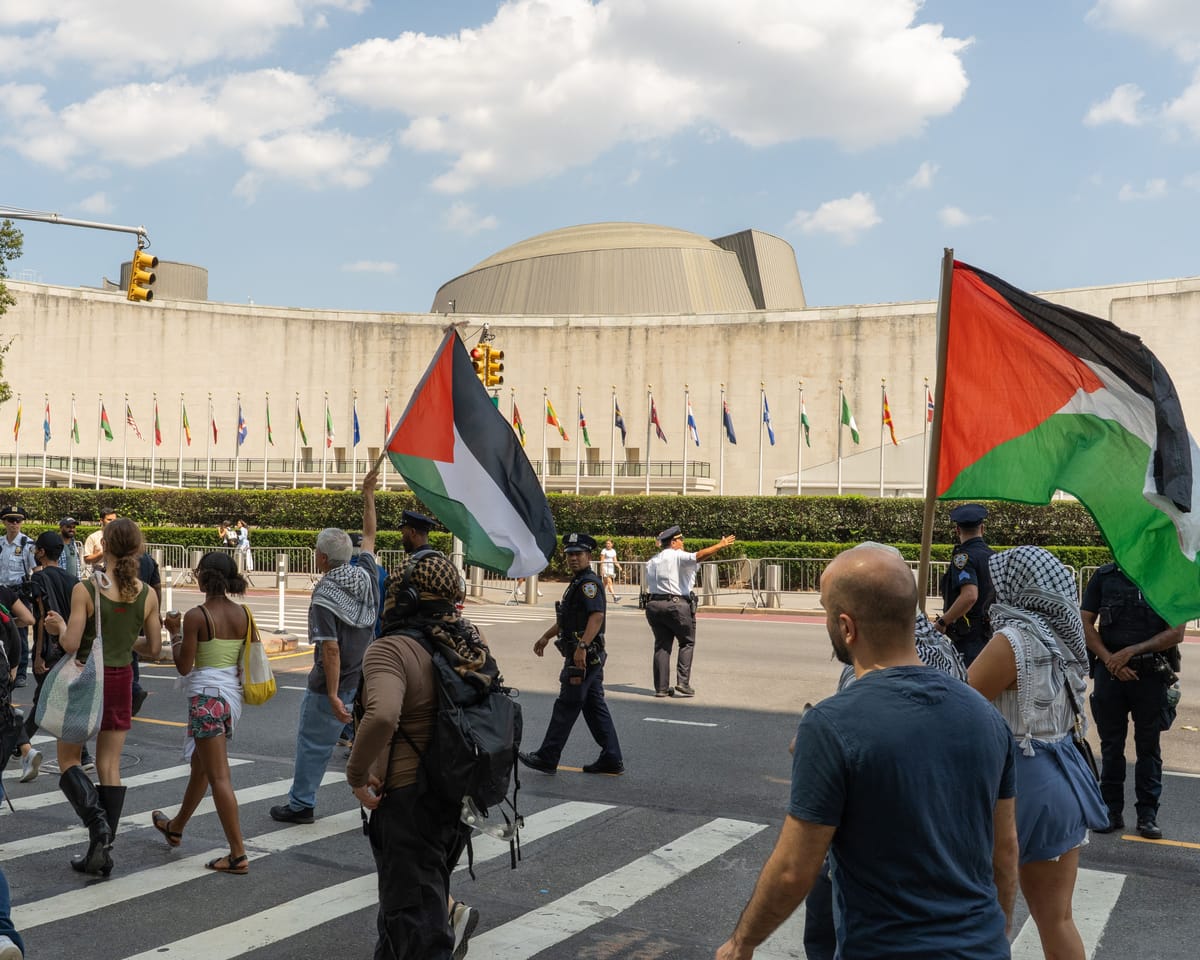
A Defining Week for Middle East Diplomacy
This week could mark a turning point in Middle East diplomacy, not only because of Keir Starmer’s long-awaited pledge on Tuesday that the UK would support recognizing a Palestinian state at the UN general assembly in September unless Israel meets specific conditions.
The significance of the moment extends beyond this decision, as tensions in New York, Brussels, Jerusalem, and even Berlin reveal a growing divide between moderate and hardline perspectives on the future of Gaza and the West Bank once the conflict concludes.
Supporters of a two-state solution—including a reformed Palestinian governing body operating without Hamas—now recognize that immediate action is essential. Without it, their proposed resolution risks being overshadowed by the policies of Benjamin Netanyahu and his finance minister, Bezalel Smotrich, with Donald Trump’s tacit approval. The choice lies between peaceful coexistence and the large-scale displacement of Palestinians.
The UK’s strategy of delaying recognition for maximum diplomatic leverage was rooted in the belief that it still holds influence in the region. However, this approach also relied on an outdated understanding of Israel’s political direction.
Since October 7, Israel has increasingly distanced itself from the idea of a two-state solution.
On Tuesday, Smotrich stated that rebuilding Israeli settlements in Gaza was no longer “wishful thinking, but part of a realistic plan.” He added, “Gaza is an inseparable part of the Land of Israel.” Reports suggest Netanyahu may allow Hamas a short window to accept a ceasefire on his terms before moving to annex parts of Gaza.
Regarding the West Bank, Smotrich claimed, “Israel is enacting a transformation by imposing de facto control, allowing construction, reshaping governance, and expanding infrastructure.” He predicted full formal sovereignty would be achieved within the current government’s term.
Under these circumstances, advocates of a two-state solution must act decisively—if only as a final effort to preserve the concept before it is dismantled. As French foreign minister Jean-Noël Barrot warned, the two-state solution faces “mortal danger,” with rejectionist factions gaining ground on both sides.
A delayed summit in New York this week offered an opportunity to shift the momentum. Barrot argued, “After 22 months of failed attempts, it is unrealistic to expect a lasting ceasefire without a shared vision for Gaza’s future and a clear political alternative to endless conflict.”
Before the summit, French president Emmanuel Macron shared a letter from Palestinian leader Mahmoud Abbas outlining several concessions.
Read next
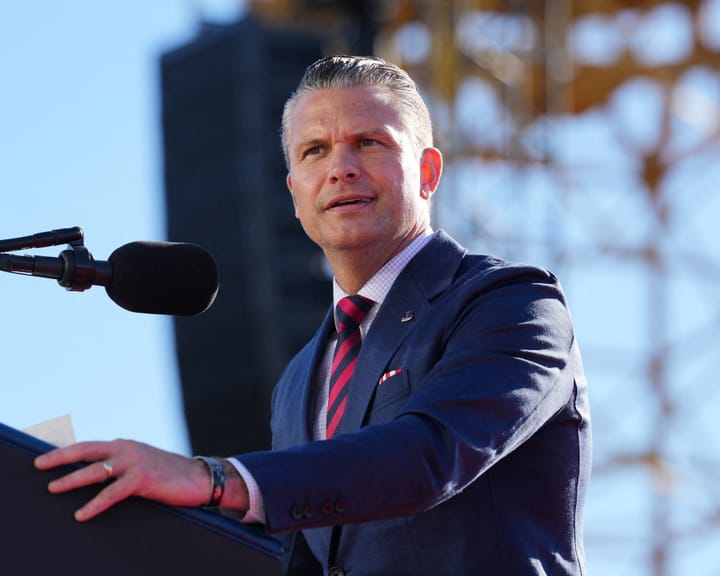
Pete Hegseth's proposal to stream executions aligns US with controversial nations.
If the US defense secretary, Pete Hegseth, proceeds with plans to livestream the execution of a soldier radicalized to extremist Islam, who killed 13 people at a military base in Texas, the US would join a group of lesser powers and rogue actors known for public executions in recent years.
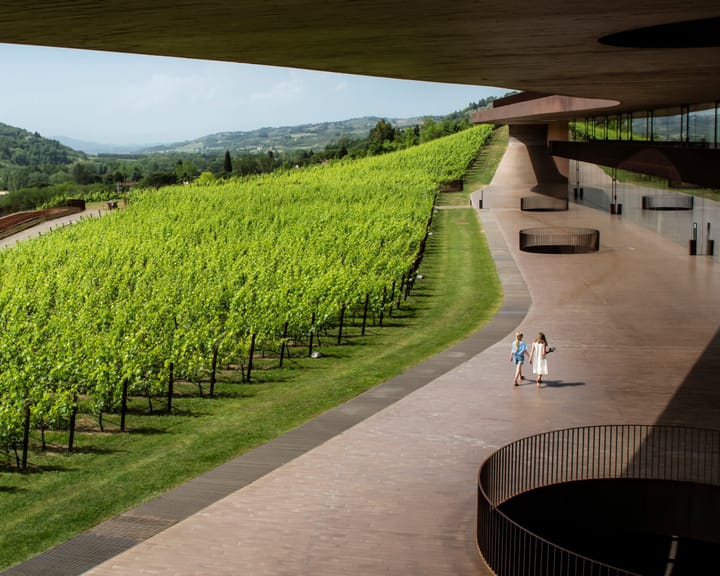
Criminals steal €5m from renowned Italian winery
In a significant theft in Tuscany, thousands of wine bottles valued at €5 million have been stolen from the renowned Marchesi Antinori winery, marking what is considered the largest heist of its kind in Italy. A group of at least seven masked individuals breached the winery's cellar in

Illuminated Theater in Havana – A Photographic Journey
Widespread blackouts have become more frequent in Cuba since the US imposed energy sanctions in January. These outages often last longer than 24 hours as the aging electrical grid struggles to cope. The Impulso theatre group has been forced to adapt, as the power cuts present significant challenges for the