
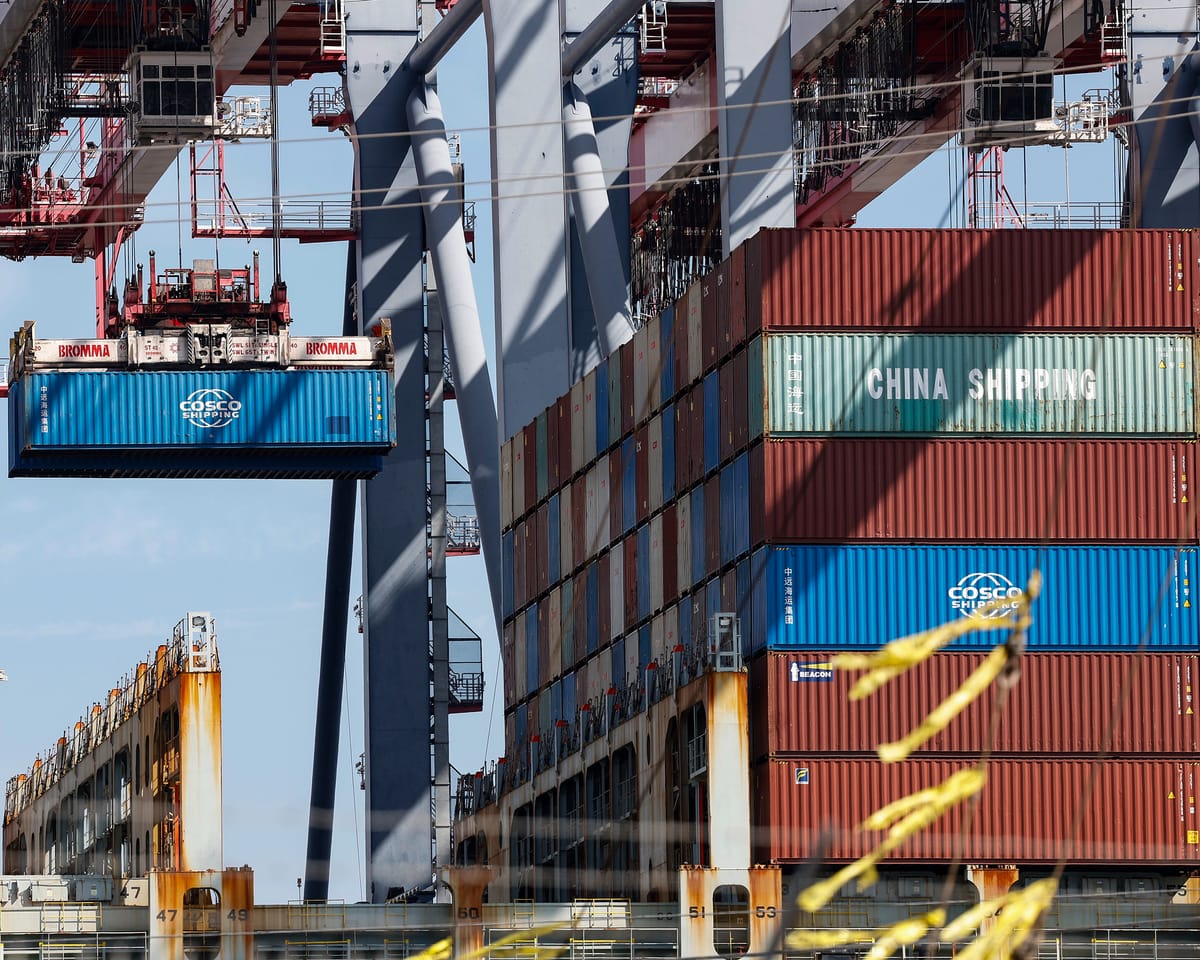
A U.S. trade‑court judge on Wednesday directed the government to start issuing refunds—potentially amounting to billions of dollars—to importers who had paid duties that the Supreme Court ruled last month were collected unlawfully. Richard Eaton, a judge of the United States Court of International Trade in Manhattan, instructed the government to determine the final cost of bringing millions of shipments into the United States without applying a tariff, according to a filing. He also required that the refunds include interest.
When goods enter the United States, an importer initially pays an estimated duty that is later settled roughly 314 days afterward, a procedure known as liquidation. Eaton ordered Customs and Border Protection to complete the entry valuation for shipments on which the tariff was not levied, thereby generating a refund.
“Customs knows how to do this,” he said at a Wednesday hearing, as recorded on the court’s website. He noted that the agency should be able to adjust its system to issue refunds, which are routinely provided when an importer overpays an estimated duty.
“They do it every day. They liquidate entries and make refunds,” he added.
Eaton also scheduled a hearing for Friday to receive updates on CBP’s refund strategy. In his order he mentioned that the court’s chief judge indicated he is the sole judge slated to handle tariff‑refund cases.
Customs and Border Protection has told the court that the task of finalizing entry values without assessing a tariff is “unprecedented” in scope and may require manual review of more than 70 million entries. In other filings the agency requested up to four months to evaluate its options for disbursing refunds.
CBP did not reply to a request for comment.
“The wording of this order clearly points to a blanket approach that importers are entitled to IEEPA refunds, period,” said Ryan Majerus, a former senior commerce official now with King & Spalding. “The government may contest the order’s reach or, at the very least, seek additional time so U.S. customs can manage what will undoubtedly be a massive undertaking.”
The federal government collected over $130 billion in illegal tariff payments, a core element of former President Donald Trump’s trade agenda. The Supreme Court offered no guidance on how refunds should be processed, leaving importers uncertain about reimbursement.
Eaton’s order arose from a case filed by Atmus Filtration, which reported in court documents that it had paid roughly $11 million in the unlawful tariffs.
Attorneys for Atmus did not respond to a request for comment.
Atmus’s suit is one of approximately 2,000 filings lodged with the trade court seeking repayment of duties imposed under the International Emergency Economic Powers Act (IEEPA).
Eaton said he does not wish to preside over each individual case. “We want to devise a mechanism by which those importers can claim duties that were improperly applied.” More than 300,000 importers paid the tariffs.
Read next
Nissan warns Sunderland factory may shut if UK barred from “Made in Europe” rules
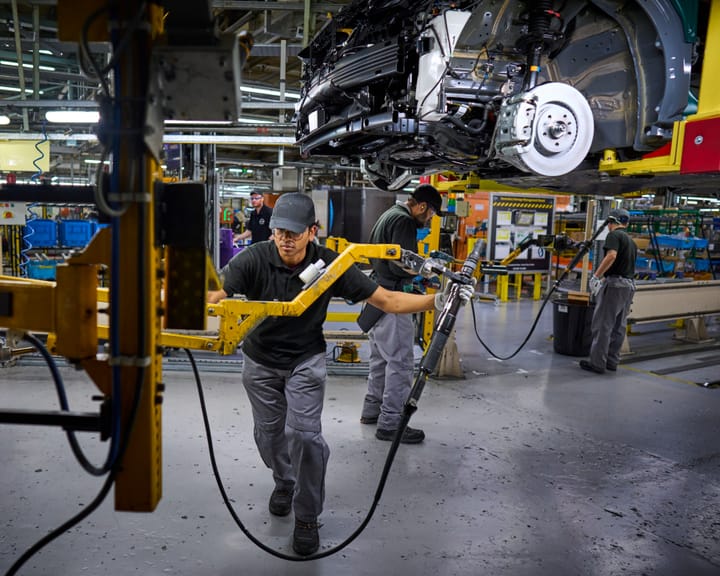
Nissan has warned that it may have to shut its Sunderland plant if the United Kingdom is not fully covered by the EU’s new “Made in Europe” manufacturing framework.
The UK automotive trade body also expressed “grave concern” that the proposals could harm the roughly £70 billion a year
Oil Prices Climb Amid Middle East Tensions, While Asian Stock Markets Rebound
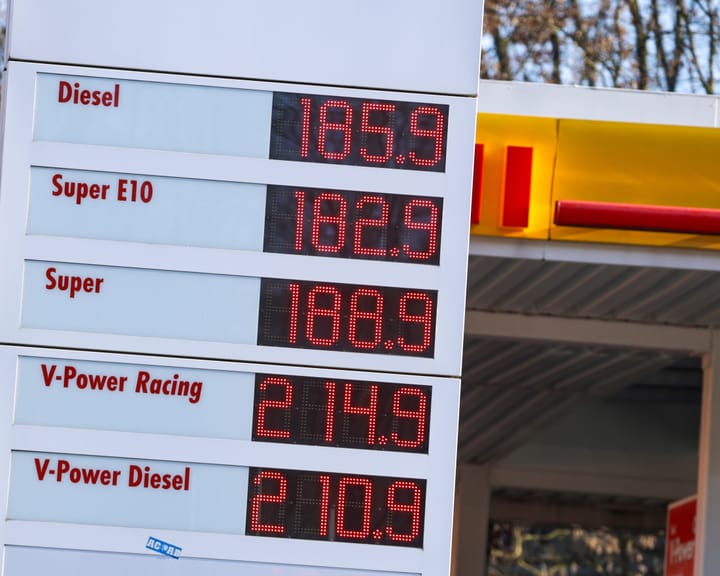
Asian equity markets have recovered after several days of steep declines linked to the Middle‑East conflict, while oil and gas prices have kept rising as supply chains stay strained.
South Korea’s KOSPI, which suffered a record 12 % drop on Tuesday, jumped nearly 10 % on Thursday, and Japan’s
UK oil company hit with £13 million fine for repeatedly issuing inaccurate financial results.
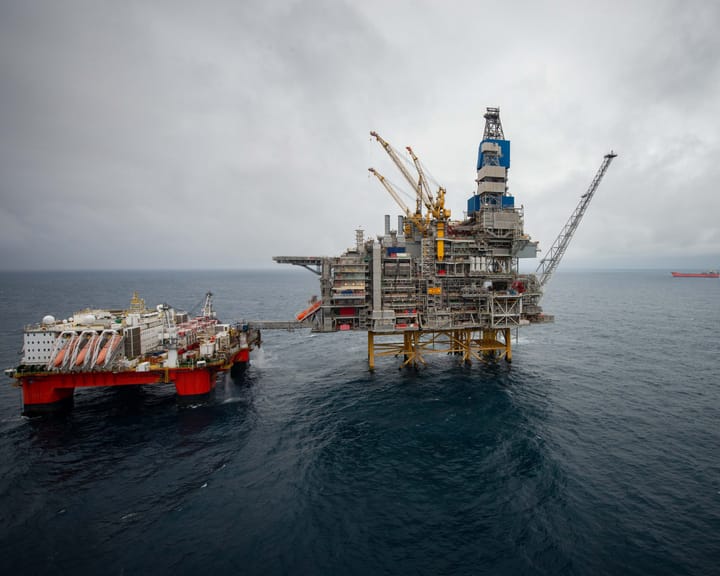
John Wood Group has received a penalty of almost £13 million for repeatedly issuing erroneous financial statements.
The FTSE‑listed oil and engineering firm, slated for acquisition by a Dubai‑based competitor, has earlier acknowledged that “cultural failings” caused data to be withheld from auditors.
On Wednesday, the Financial Conduct