
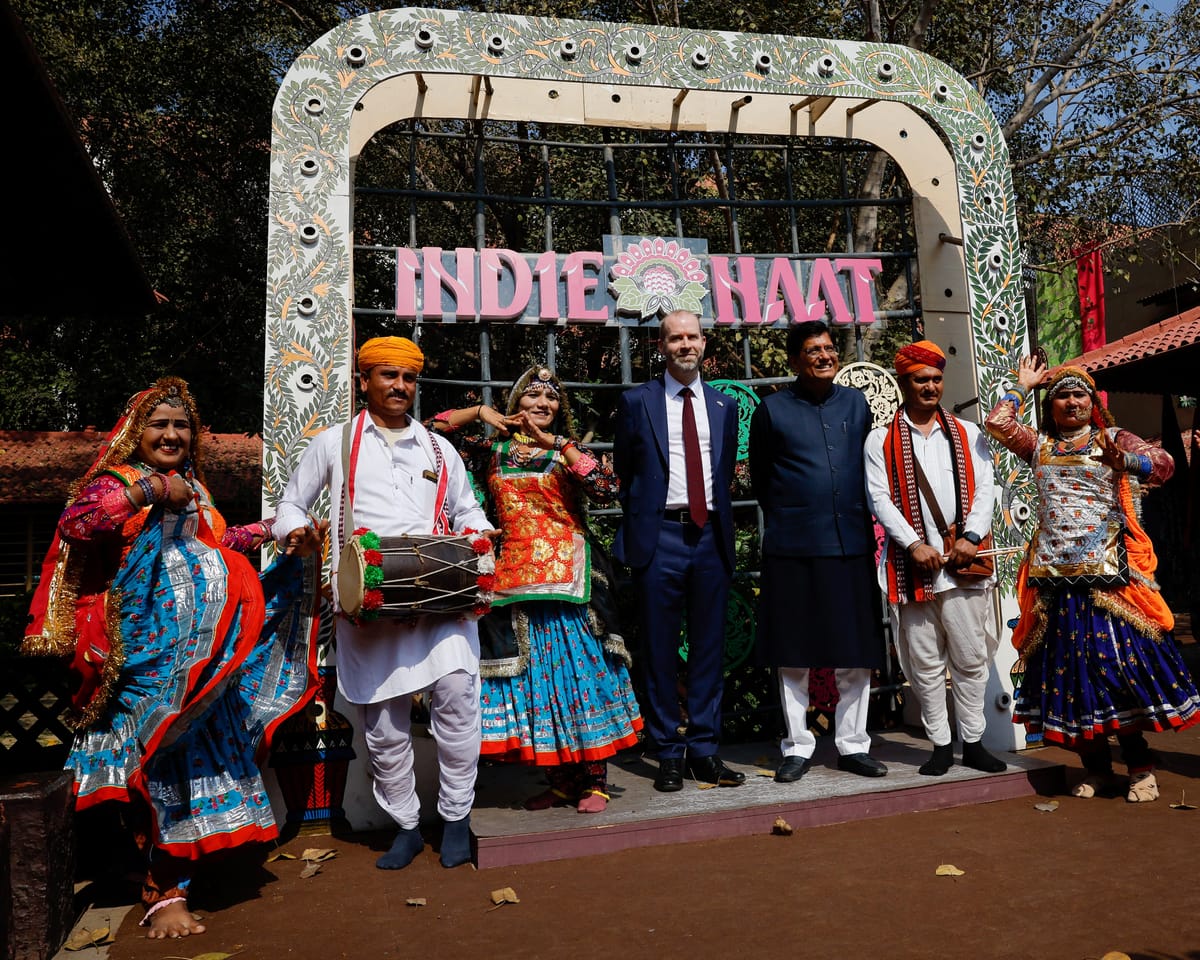
Keir Starmer and Narendra Modi will finalize a £4.8bn trade agreement on Thursday morning, marking the end of more than three years of discussions and expanding commerce between the UK and India in sectors such as automobiles, spirits, textiles, and agricultural goods.
For the UK, the deal signifies a potential economic lift and demonstrates the country’s ability to act decisively in global trade following its departure from the EU.
For India, the agreement underscores the nation’s shift away from decades of economic protectionism, signaling to foreign governments and investors the openness of its £3tn economy. India’s average tariff stands at 13%, far above the UK’s 1.5%.
Labour ministers secured the pact within 10 months of taking office, surpassing internal expectations about the speed of progress.
Trade negotiations were led by Jonathan Reynolds, the UK’s trade secretary, and India’s Piyush Goyal. Several UK officials credited the personal rapport between the two and a deliberate emphasis on fostering trust as key to reaching an agreement.
The process included unconventional moments. When Goyal expressed his admiration for *Yes Minister*, UK negotiators surprised him with a handwritten note from Jonathan Lynn, one of the show’s creators.
"Dealing with India isn’t like negotiating with Australia, the US, or Canada. It’s a diplomacy built on relationships—understanding who works well with whom and ensuring mutual respect," said one senior UK official involved in the talks.
"Decision-makers want familiarity. They need to see you face-to-face and believe they can rely on you," another official added. "In many ways, the past year has been about both governments assessing each other’s intentions."
As a result, UK diplomats in India, including High Commissioner Lindy Cameron and Trade Commissioner Harjinder Kang, played a crucial role in advising ministers on navigating interactions with their Indian counterparts.
There were lighter moments. After tense discussions, UK and Indian officials once decompressed with a yoga session in a corridor.
On another occasion, British negotiators led by Kate Thornley were preparing to depart Delhi when they received word that India was ready to make significant concessions on food and beverages. One official, still outside security, immediately returned to resume talks.
"At times, it felt close to falling apart, and at others, it seemed within reach," the first official said. "Nothing is certain until signatures are on the page."
Political gestures also mattered. Reynolds first engaged with Goyal in early 2024 while Labour was in opposition, during a visit to Delhi alongside David Lammy. Both India and the UK had elections approaching that year.
Read next
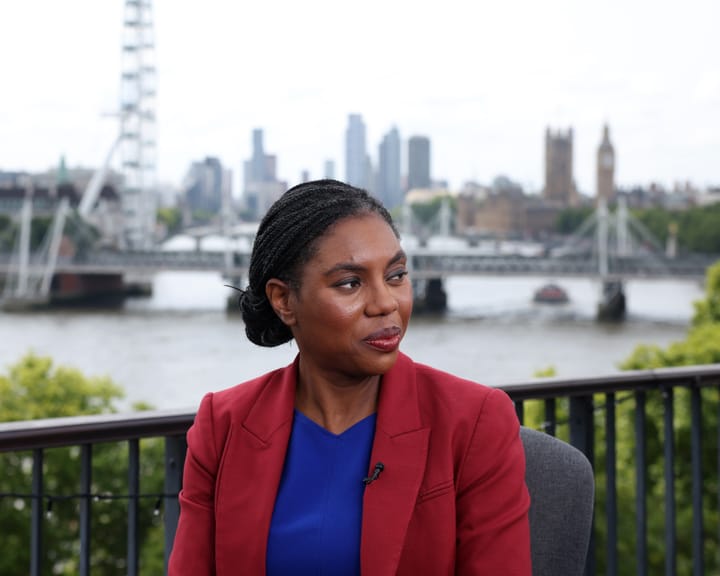
Badenoch returns to Conservative conference, markedly stronger than a year ago
A year ago, Tory MPs feared a fresh leadership revolt against Kemi Badenoch as Tories hit historic 14-16% support; November, after 12 months, was hushed: decisive challenge month. Yet, despite poor polls, “Keminisation” saw her impose style and authority.
More in Common’s Luke Tryl, director, said Badenoch holds

UK sanctions plan on illegal Israeli settlements faces criticism from US, Israel and British MPs
Today, with the agreement of Prime Minister Netanyahu, Israeli officials announced a series of countermeasures in response to new sanctions declared by the British foreign secretary of the Labour government, following a sequence of anti-Israel decisions by the same administration.
The accusations leveled today by the Labour foreign secretary,
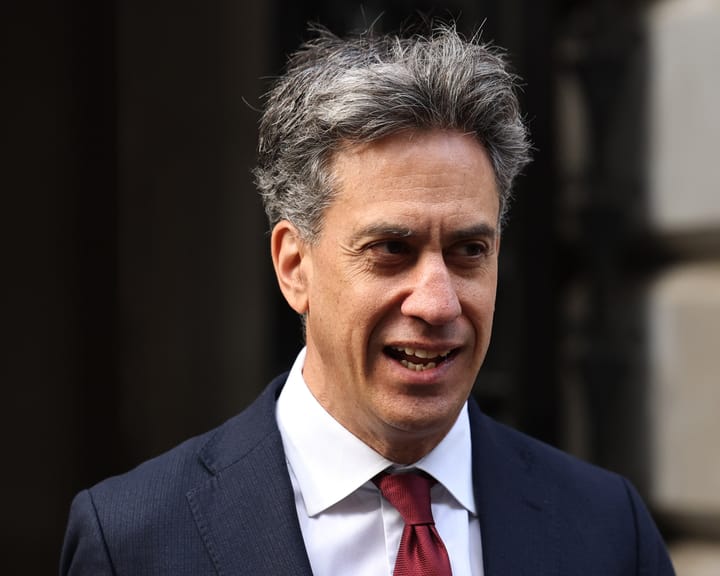
UK announces trade ban on Israeli settlements as tougher stance
Ed Miliband will announce a broad reset of the UK’s relations with Israel on Tuesday, pledging a more active stance in support of the Palestinian cause. In an intervention drawing fierce criticism from the US and Israel, the foreign secretary will impose a ban on trade in goods and