
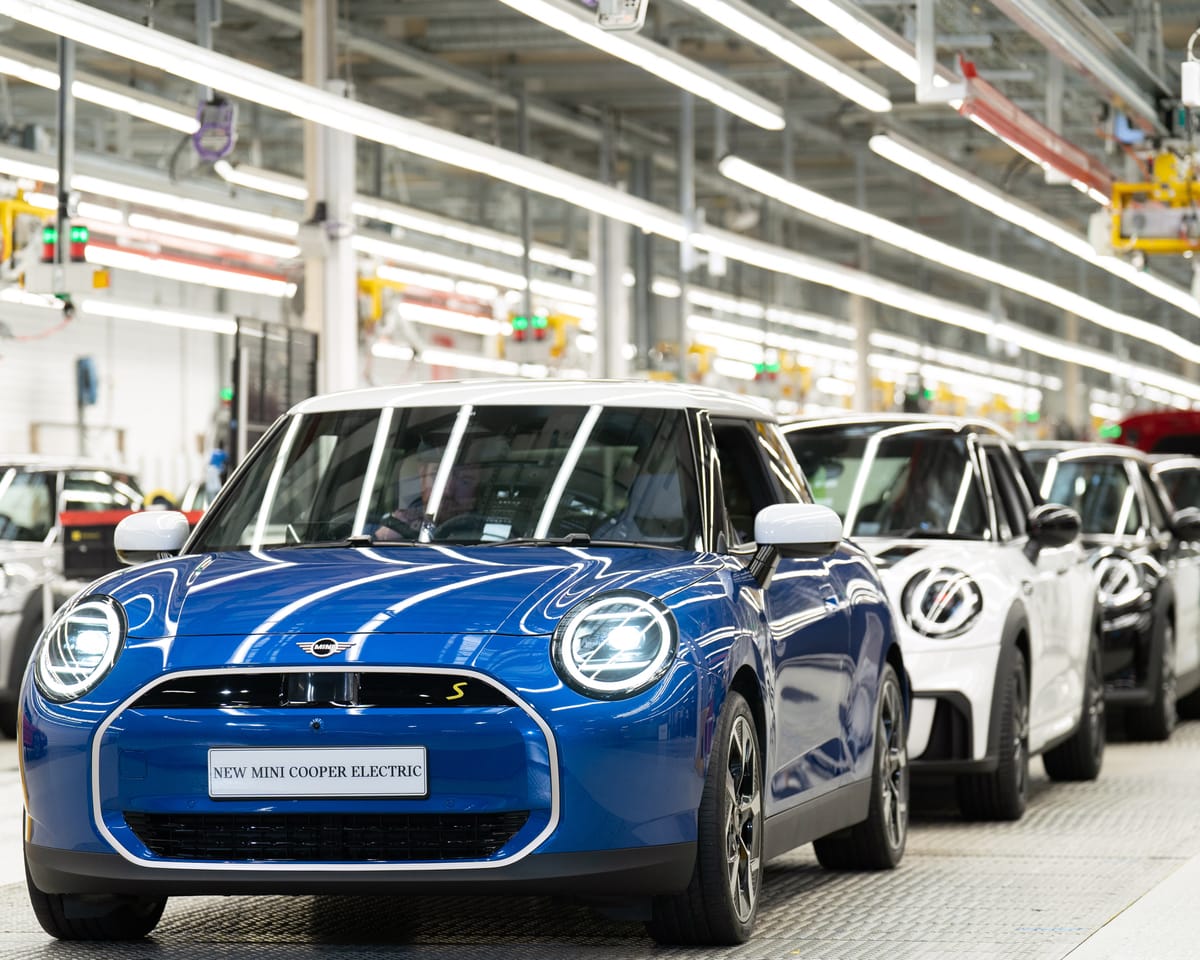
British car and van production fell sharply in the first half of the year, reaching its lowest level since 1953 outside the pandemic period, amid disruptions caused by U.S. trade policies.
Data from the Society of Motor Manufacturers and Traders (SMMT) reveals that vehicle manufacturing in the UK dropped by 12% to 417,200 units in the first six months of the year. Only during the pandemic in 2020 did production decline more significantly over the past seven decades.
Mike Hawes, chief executive of the SMMT, described it as "one of the toughest periods for UK automotive" but expressed optimism that the sector had hit its lowest point.
Automakers have faced challenges due to weaker-than-expected sales and the transition from petrol and diesel vehicles to electric models. Additionally, Stellantis decided to shut down its Vauxhall van plant in Luton.
Higher U.S. import taxes threatened exports, particularly impacting luxury brands like Bentley, Rolls-Royce, and Jaguar Land Rover. Shipments were temporarily halted from April in anticipation of reduced tariffs.
A recent agreement between the UK and the U.S. will allow up to 100,000 British vehicles to be exported annually at a lower tax rate. This contributed to a 7% increase in June production compared to the previous year.
While the deal prevents further declines, Hawes noted it doesn’t enable growth beyond current levels without further negotiations.
Some automakers, including Nissan, which plans to produce electric vehicles in Sunderland, may benefit from new government incentives for electric car sales capped at £3,750 per vehicle. However, strict eligibility rules mean many imported models won’t qualify.
Hawes said the subsidies, though welcome after a three-year hiatus, were introduced without industry input, leaving carmakers uncertain about qualifications. This has disrupted sales plans, with buyers delaying purchases until details are finalized.
The policy could also complicate compliance with electric vehicle sales targets for manufacturers excluded from subsidies, Hawes added.
Read next
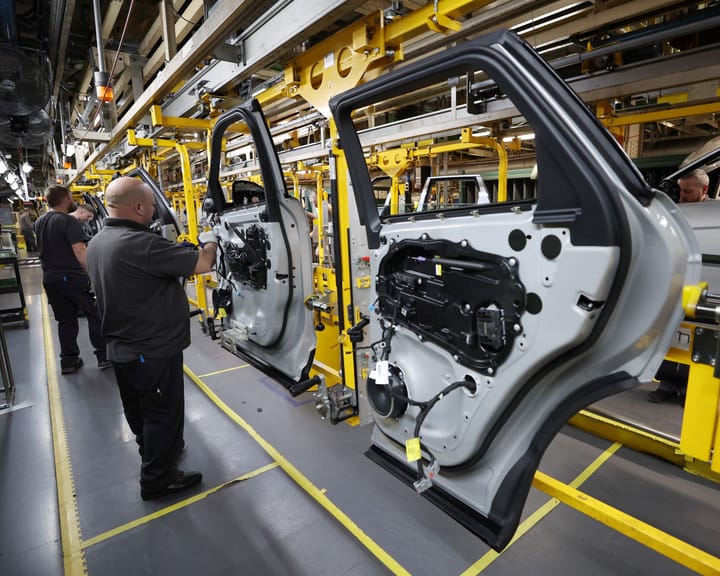
Jaguar Land Rover suppliers voice ‘everything is against us’ amid cutbacks
David Roberts, chair of Coventry-based Evtec, says the outlook for Britain’s automotive sector is grim, with “everything against us.” Evtec is a tier 1 supplier to Jaguar Land Rover, which this week announced 4,000 job cuts over two years despite chancellor John Healey’s attempt to talk
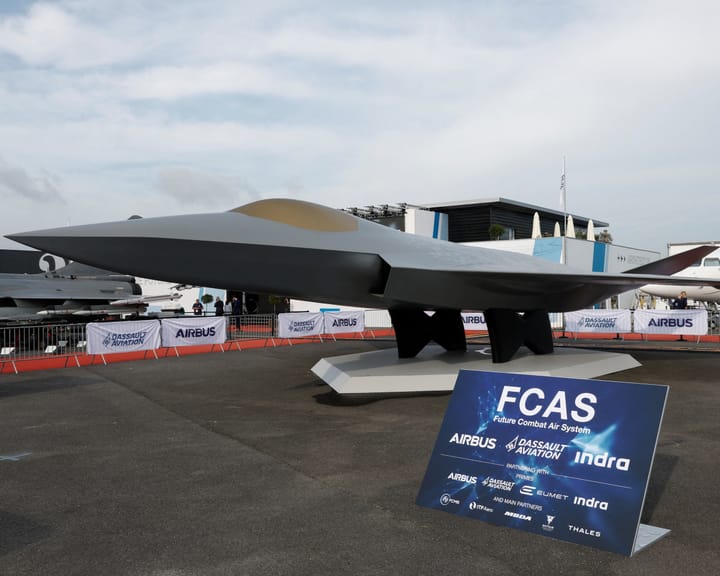
Europe’s fighter jet plans in disarray: what comes next?
When former ECB president and Italian PM Mario Draghi urged Europe to catch up economically with the US and China, defence collaboration was prescribed. No more should each nation build independent boats, tanks or jets; allies should share costs and technologies.
Europe stumbled at the first hurdle. German Chancellor Friedrich
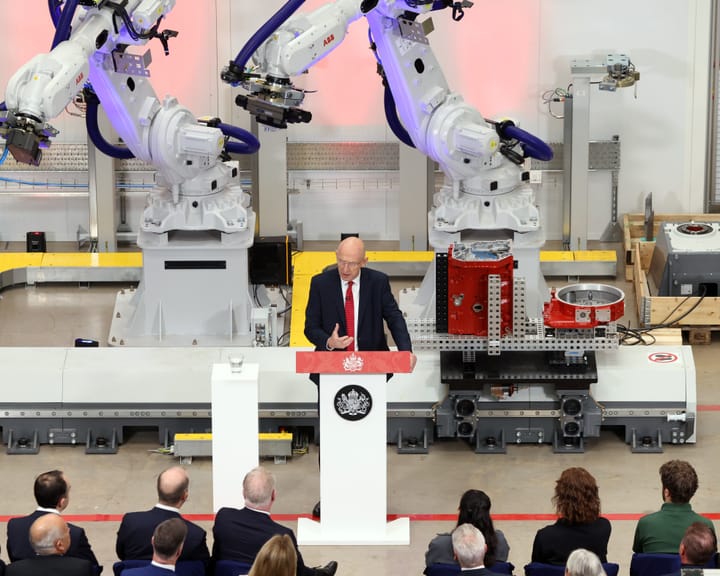
John Healey supports growth but insists Labour must be truthful about spending
John Healey has stated that his primary goal as chancellor will be to boost economic growth, while acknowledging that Labour must be straightforward about controlling public spending at next month's budget.
In his first major address since assuming the role in July, Healey said the leading focus of