

UK Long-Term Borrowing Costs Near 27-Year High
The UK’s long-term borrowing costs are approaching their highest level in nearly three decades, with yields on 30-year government debt rising close to a peak last seen in 1998. On Tuesday, the interest rate on British 30-year bonds reached 5.646%, just below the 27-year high of 5.649% recorded earlier this year.
The increase raises the cost of servicing the national debt, limiting options for Chancellor Rachel Reeves as she prepares the autumn budget. Investors, wary of fiscal sustainability, have been demanding higher returns to hold government bonds, reflecting concerns over economic policy.
Globally, long-term borrowing costs have risen in recent weeks, with September typically a challenging month for bond markets. In the UK, fears of an economic slowdown later this year and a potential budget shortfall have intensified pressure. Analysts suggest the government may need to implement tax increases or reduce spending to address the gap.
Sanjay Raja, Deutsche Bank’s chief UK economist, noted that the upcoming budget could be a pivotal moment, estimating a fiscal deficit of £20-25 billion that must be addressed. Meanwhile, investor sentiment toward UK bonds has worsened amid uncertainty over policy direction.
Similar pressures are affecting France, where political instability has driven bond yields higher, widening the gap with German debt. The French government faces a confidence vote next week, with potential implications for fiscal policy. On Tuesday, French 30-year bond yields reached a multi-year high of nearly 4.5%.
Analysts warn that political uncertainty in France could continue to weigh on bond markets, with French-German yield spreads already at elevated levels.
Key Economic Updates
- 10:00 Eurozone inflation data for August
- 15:00 US manufacturing activity report
Read next
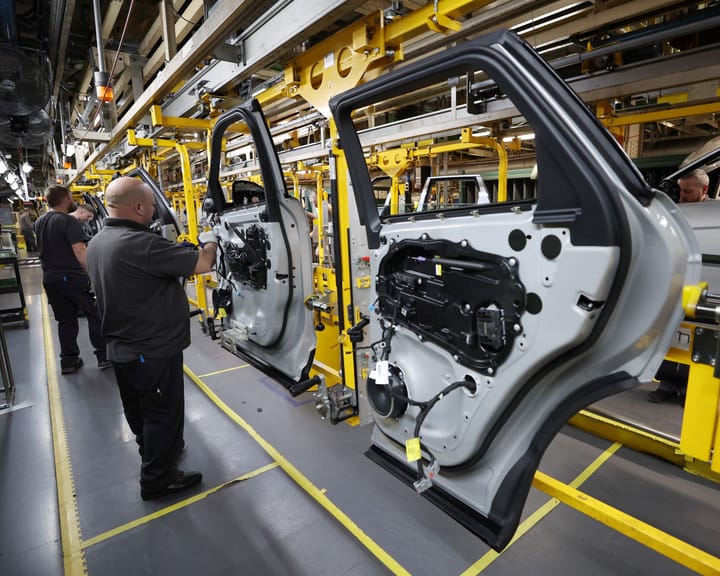
Jaguar Land Rover suppliers voice ‘everything is against us’ amid cutbacks
David Roberts, chair of Coventry-based Evtec, says the outlook for Britain’s automotive sector is grim, with “everything against us.” Evtec is a tier 1 supplier to Jaguar Land Rover, which this week announced 4,000 job cuts over two years despite chancellor John Healey’s attempt to talk

Europe’s fighter jet plans in disarray: what comes next?
When former ECB president and Italian PM Mario Draghi urged Europe to catch up economically with the US and China, defence collaboration was prescribed. No more should each nation build independent boats, tanks or jets; allies should share costs and technologies.
Europe stumbled at the first hurdle. German Chancellor Friedrich
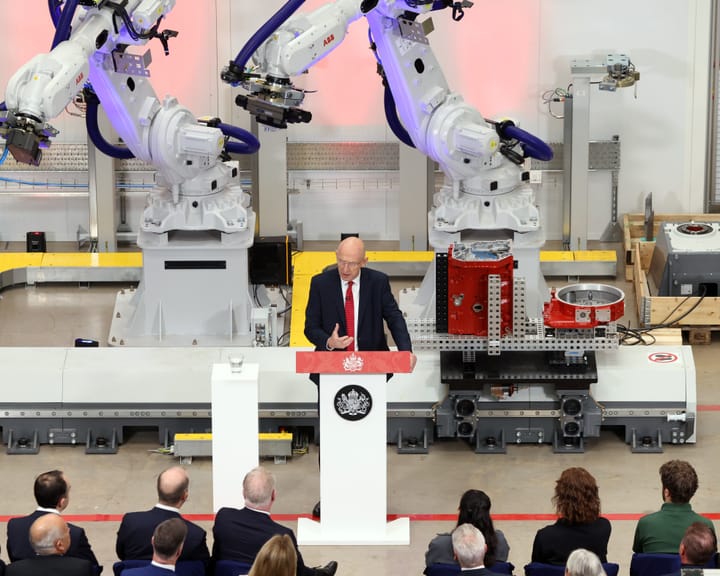
John Healey supports growth but insists Labour must be truthful about spending
John Healey has stated that his primary goal as chancellor will be to boost economic growth, while acknowledging that Labour must be straightforward about controlling public spending at next month's budget.
In his first major address since assuming the role in July, Healey said the leading focus of