
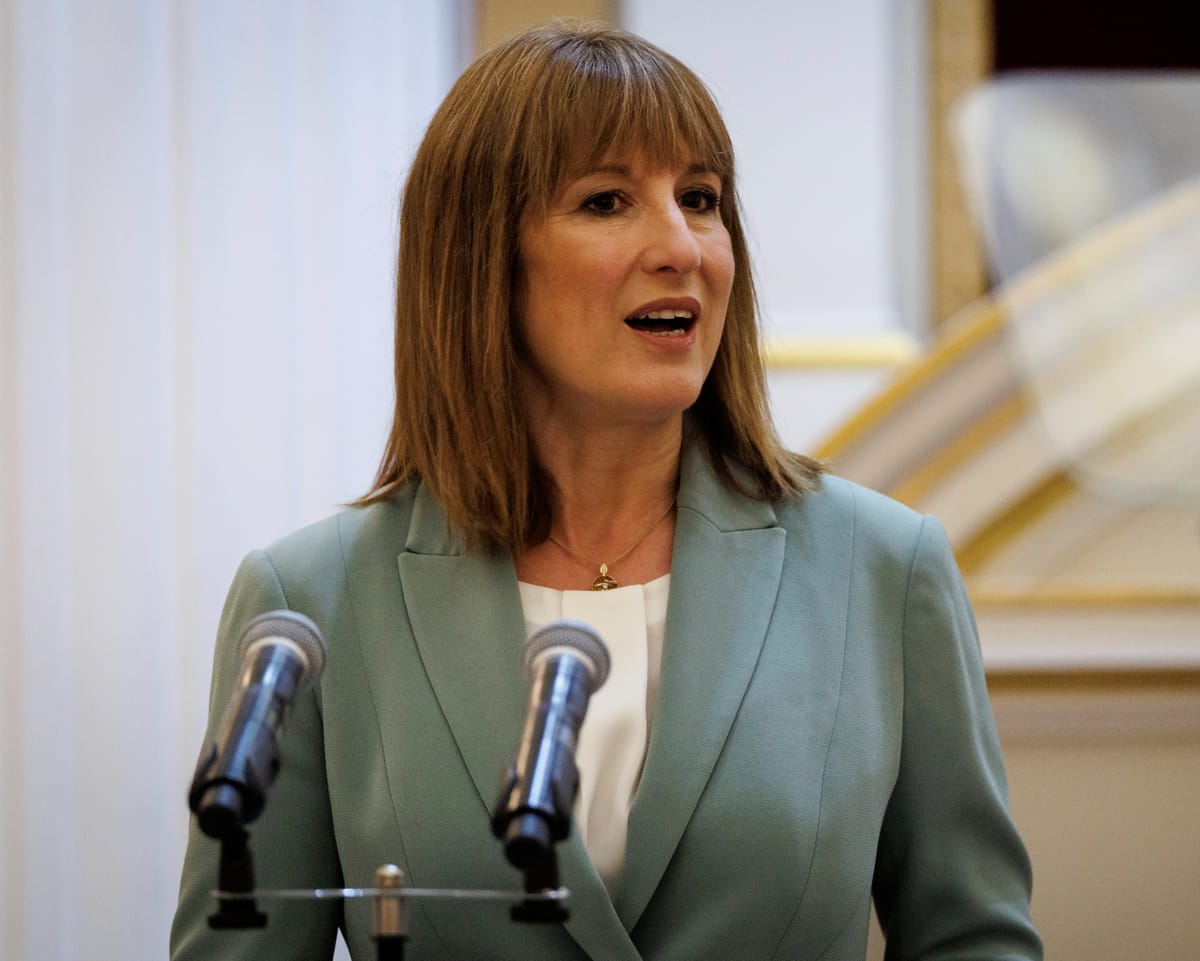
The UK government borrowed more than anticipated in June, adding pressure on the chancellor, Rachel Reeves, to address the country's financial situation.
Data from the Office for National Statistics (ONS) revealed that public sector net borrowing increased to £20.7bn—up by £6.6bn compared to the same period last year. This marks the second-highest June borrowing figure since monthly records began in 1993, surpassing the £16.5bn forecast by financial experts.
The rise was attributed to growing costs in public services and higher debt payments, which exceeded increased tax and national insurance revenues. Interest payments on government debt alone surged by £8.4bn to £16.4bn from the previous year, the second-highest June level since 1997, due to rising inflation-linked bond costs.
Reeves faces uncertainty ahead of the autumn budget, with discussions about potential tax hikes to manage a significant financial gap following recent policy reversals. The government's change in stance on disability benefits and winter fuel support for pensioners is expected to cost over £6bn, prompting warnings of fiscal challenges.
Economic growth has stalled, with the UK economy contracting in April and May, while unemployment and inflation have risen. High borrowing costs, tax increases, and global instability have added to pressure on businesses and households.
Amid these challenges, some within Reeves' party and unions have urged her to consider a wealth tax. However, the chancellor has emphasized economic growth as a priority while keeping future policy options open.
The Institute for Fiscal Studies suggested Reeves could revisit her fiscal rule, which requires day-to-day spending to be funded by tax revenues within five years. Meanwhile, Treasury officials reiterated the government's commitment to financial discipline, focusing on sustainable investment in public services and housing.
Opposition figures criticized the borrowing figures, arguing that rising debt interest payments—nearly double the defense budget—show the risks of unsustainable spending.
Read next
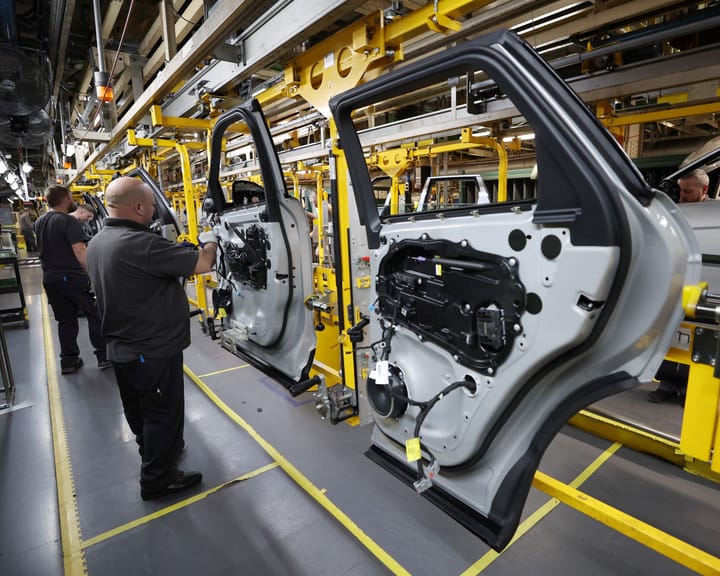
Jaguar Land Rover suppliers voice ‘everything is against us’ amid cutbacks
David Roberts, chair of Coventry-based Evtec, says the outlook for Britain’s automotive sector is grim, with “everything against us.” Evtec is a tier 1 supplier to Jaguar Land Rover, which this week announced 4,000 job cuts over two years despite chancellor John Healey’s attempt to talk

Europe’s fighter jet plans in disarray: what comes next?
When former ECB president and Italian PM Mario Draghi urged Europe to catch up economically with the US and China, defence collaboration was prescribed. No more should each nation build independent boats, tanks or jets; allies should share costs and technologies.
Europe stumbled at the first hurdle. German Chancellor Friedrich
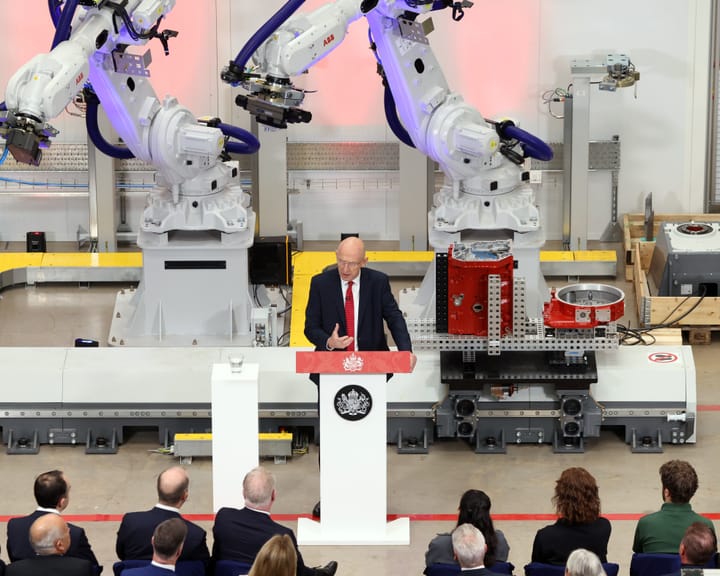
John Healey supports growth but insists Labour must be truthful about spending
John Healey has stated that his primary goal as chancellor will be to boost economic growth, while acknowledging that Labour must be straightforward about controlling public spending at next month's budget.
In his first major address since assuming the role in July, Healey said the leading focus of