

Cyberattack on Jaguar Land Rover Costs UK Economy £1.9bn, Affects Over 5,000 Firms
A cybersecurity organization has reported that the breach at Jaguar Land Rover has resulted in an estimated £1.9bn loss to the British economy, impacting more than 5,000 organizations.
According to a study by the Cyber Monitoring Centre (CMC), the financial toll could rise further if the automaker faces unforeseen delays in restoring production to pre-attack levels following the incident in August.
“This appears to be the most economically significant cyber incident in the UK, with most financial consequences stemming from disruptions to JLR’s manufacturing and its suppliers,” the report stated.
The CMC, an independent nonprofit composed of industry experts, includes former leaders from Britain’s National Cyber Security Centre.
JLR, owned by India’s Tata Group, will release its financial figures in November. The company declined to comment on the findings.
Production at JLR resumed earlier this month after a nearly six-week halt due to the cyberattack.
The luxury automaker operates three factories in the UK, collectively producing around 1,000 vehicles daily. The breach was among several high-profile cyber incidents affecting major British firms this year. In April, Marks & Spencer suffered losses of roughly £300m after an attack forced it to suspend online services for two months.
Analysts estimated JLR was losing approximately £50m per week during the shutdown. In late September, the UK government extended a £1.5bn loan guarantee to help the company assist its suppliers.
The CMC, backed by the insurance sector, assesses the financial repercussions of major cybersecurity events on UK businesses. It classified the JLR attack as a category 3 systemic incident on a scale of five.
The report noted that the CMC’s estimate “accounts for the severe disruption to JLR’s manufacturing, its supply chain, and related industries, including dealerships.”
Read next
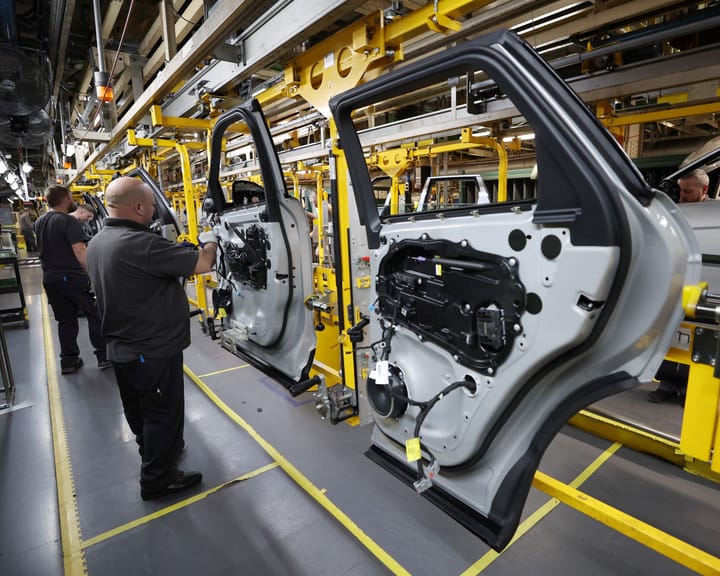
Jaguar Land Rover suppliers voice ‘everything is against us’ amid cutbacks
David Roberts, chair of Coventry-based Evtec, says the outlook for Britain’s automotive sector is grim, with “everything against us.” Evtec is a tier 1 supplier to Jaguar Land Rover, which this week announced 4,000 job cuts over two years despite chancellor John Healey’s attempt to talk
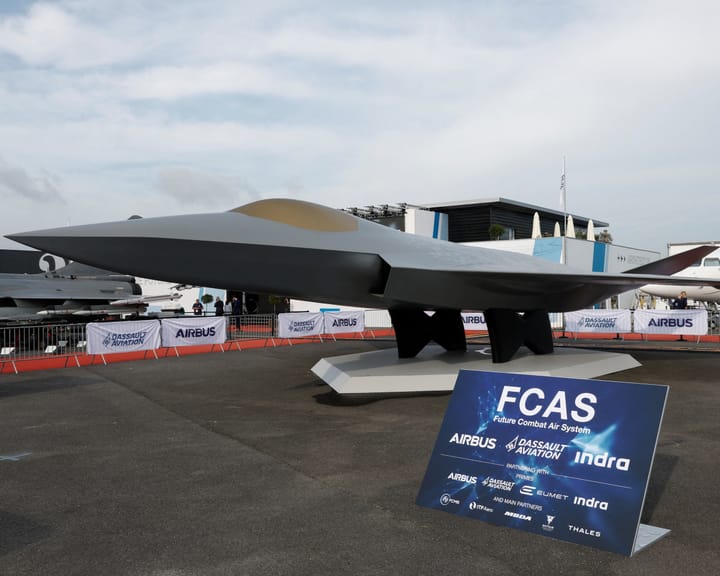
Europe’s fighter jet plans in disarray: what comes next?
When former ECB president and Italian PM Mario Draghi urged Europe to catch up economically with the US and China, defence collaboration was prescribed. No more should each nation build independent boats, tanks or jets; allies should share costs and technologies.
Europe stumbled at the first hurdle. German Chancellor Friedrich
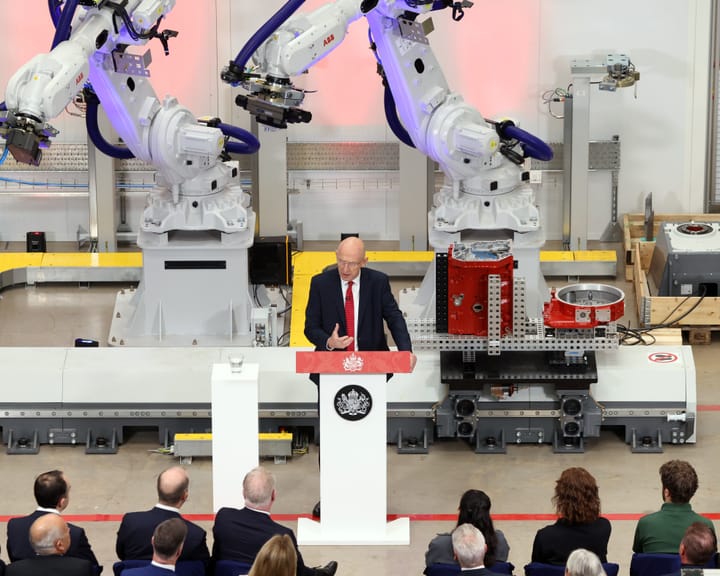
John Healey supports growth but insists Labour must be truthful about spending
John Healey has stated that his primary goal as chancellor will be to boost economic growth, while acknowledging that Labour must be straightforward about controlling public spending at next month's budget.
In his first major address since assuming the role in July, Healey said the leading focus of