
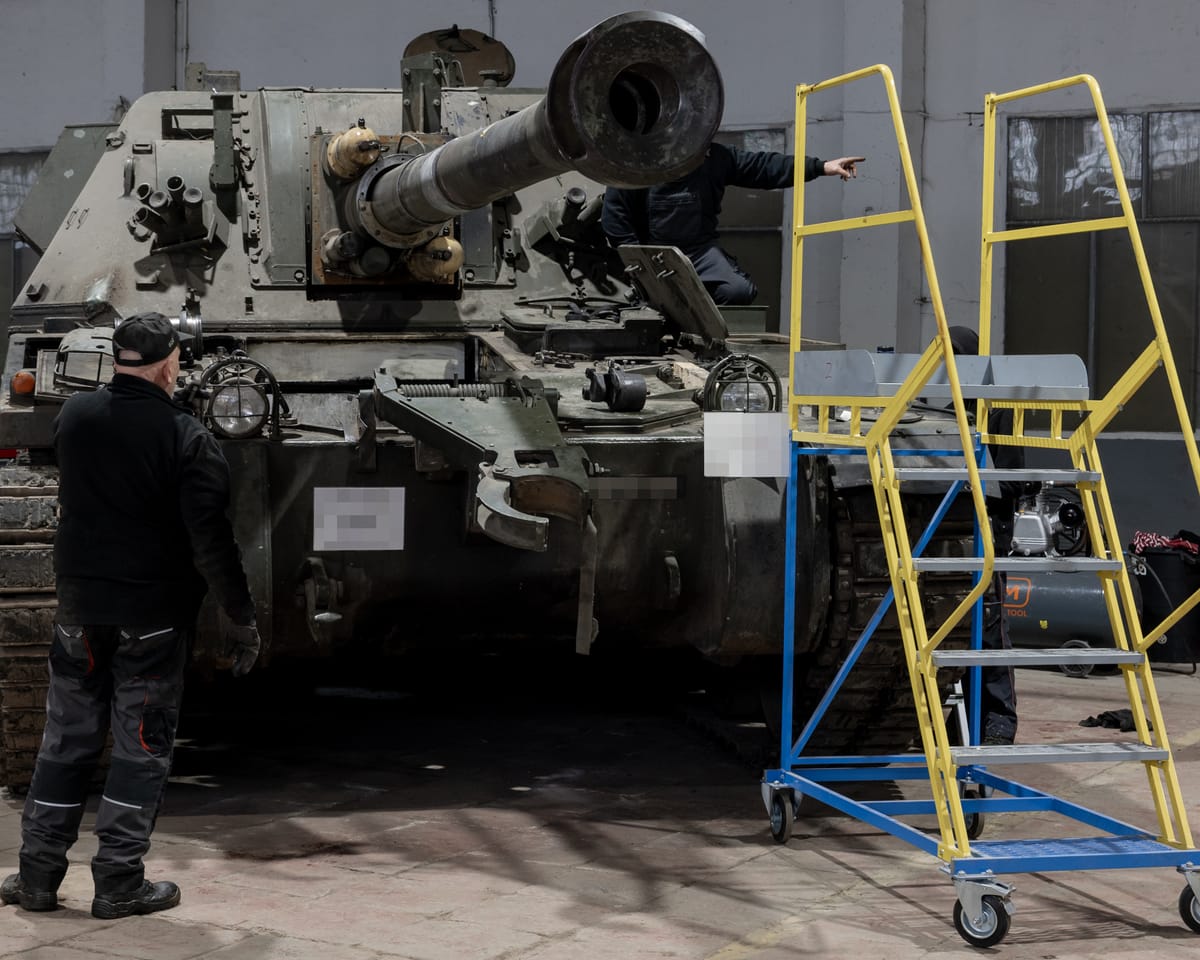
In a concealed and undisclosed site in western Ukraine, British and Ukrainian engineers work together to repair damaged military equipment, crawling beneath the chassis of artillery pieces and dismantling the interiors of British‑donated howitzers.
Until now, the existence of this workshop, along with three comparable locations inside Ukraine, has been mentioned only in neutral terms to avoid drawing excessive attention, given the sensitivities surrounding any military‑related activity on Ukrainian soil.
CuriosityNews was invited to view the facility earlier this week – the first occasion media have been allowed inside – during a visit to Ukraine by the UK defence minister Luke Pollard. The minister described the centre as an example of Britain undertaking tasks that “no other nation has been willing or able to do”.
No British soldiers are present on the premises; instead, British engineers contracted by the Ministry of Defence operate there. For safety reasons, other nations have often preferred to carry out repairs outside Ukraine, which lengthens transport routes and delays the return of equipment to the front.
The visited workshop contains repair bays for up to thirty vehicles and can service a range of weapons systems, including the British‑made AS‑90 self‑propelled howitzers. The AS‑90 was originally slated for withdrawal from the British army in the 2030s, but the decision was taken to donate the entire stock to Ukraine over recent years.
“There are some things that in military times we don’t talk about, but when it comes to industrial partnerships, and the legitimate question of ‘You’ve donated all those AS‑90s, what’s happened to them?’… we want to start telling the story,” Pollard said.
He recognised the risk of operating the facility inside Ukraine, but called it “a risk worth taking and managing” in support of Kyiv.
“Any operation or assistance provided inside Ukraine carries a greater risk than if it were offered in Poland or elsewhere within the NATO Article 5‑protected area, but it is precisely this kind of support that Ukraine needs to stay in the fight,” he added.
Engineers and technicians from two British firms, BAE Systems and AMS, work alongside Ukrainian colleagues to restore the equipment. Many of the Ukrainians hired by the firms had previously been employed by Ukrainian military enterprises that have since been damaged or destroyed, and they are now being trained to handle British and other foreign‑donated hardware.
A large portion of the gear used by the Ukrainian armed forces is now outdated, requiring a new supply chain for spare parts. BAE, which participated in the original production of the AS‑90, retained access to the technical drawings, while other systems demanded more inventive solutions.
The Soviet‑era Tunguska anti‑aircraft platform, also stationed at the site, and Soviet‑manufactured T‑72 tanks used by Ukrainian forces illustrate the breadth of the repair work being carried out.
Read next

Tokyo tourist hotspot outlaws short-term rentals amid complaint surge
Shinjuku Ward, Tokyo, has moved to ban short-term rental accommodations in residential areas and near schools and important cultural sites, following a slew of complaints about visitor behaviour. The decision, to be enacted through a local ordinance, marks the latest sign that Japan’s patience with mass tourism is
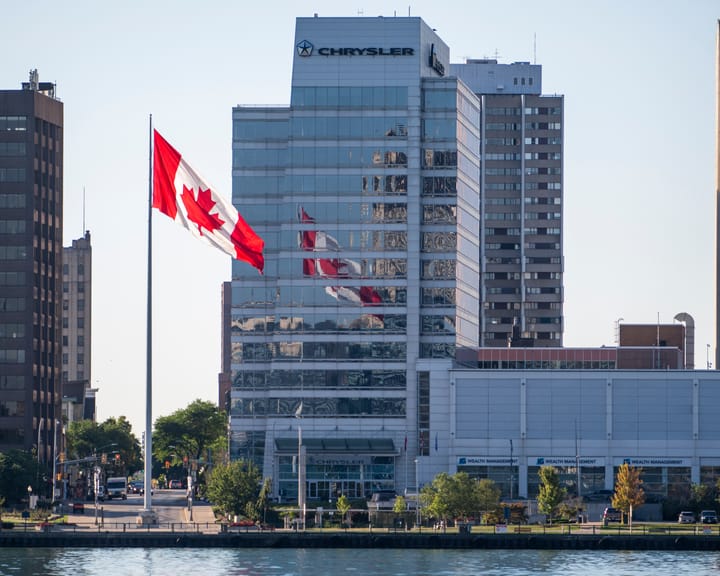
Canada implements retaliatory US tariffs as trade dispute intensifies
Canada’s retaliatory tariffs on about $20 billion worth of American imports took effect at 12.01am on Tuesday, ranging from 15% to 50% and applying to steel, dairy, appliances, agricultural equipment, pulp and paper, and electronics. The measures, a response to the United States’ 50% tariff on $20 billion
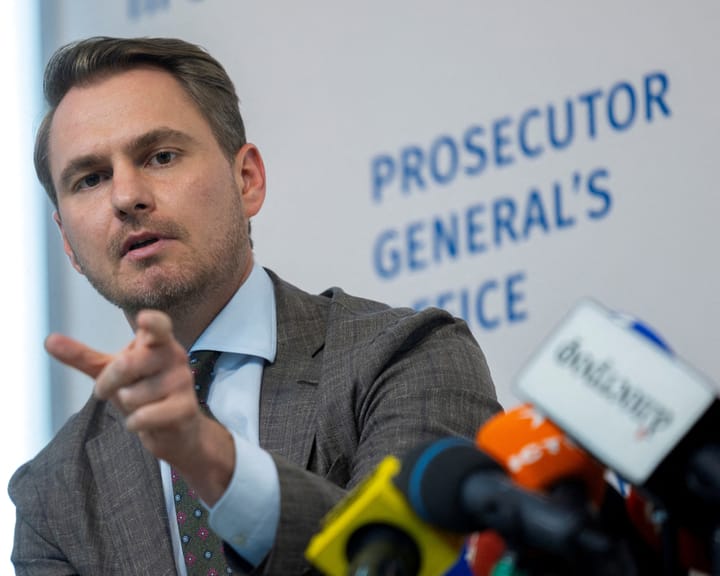
Prosecutor general resigns amid political turmoil in Kyiv during Ukraine war
Ukraine’s prosecutor general Ruslan Kravchenko resigned amid corruption accusations after anti-graft officers searched his offices at the weekend. He called the allegations “completely unsubstantiated” and denied wrongdoing. The National Anti-Corruption Bureau (NABu) and Specialised Anti-Corruption Prosecutor’s Office (Sapo) announced Saturday they uncovered a money-laundering