
UK, France, and Germany to Reinstate Sanctions on Iran Over Nuclear Inspections
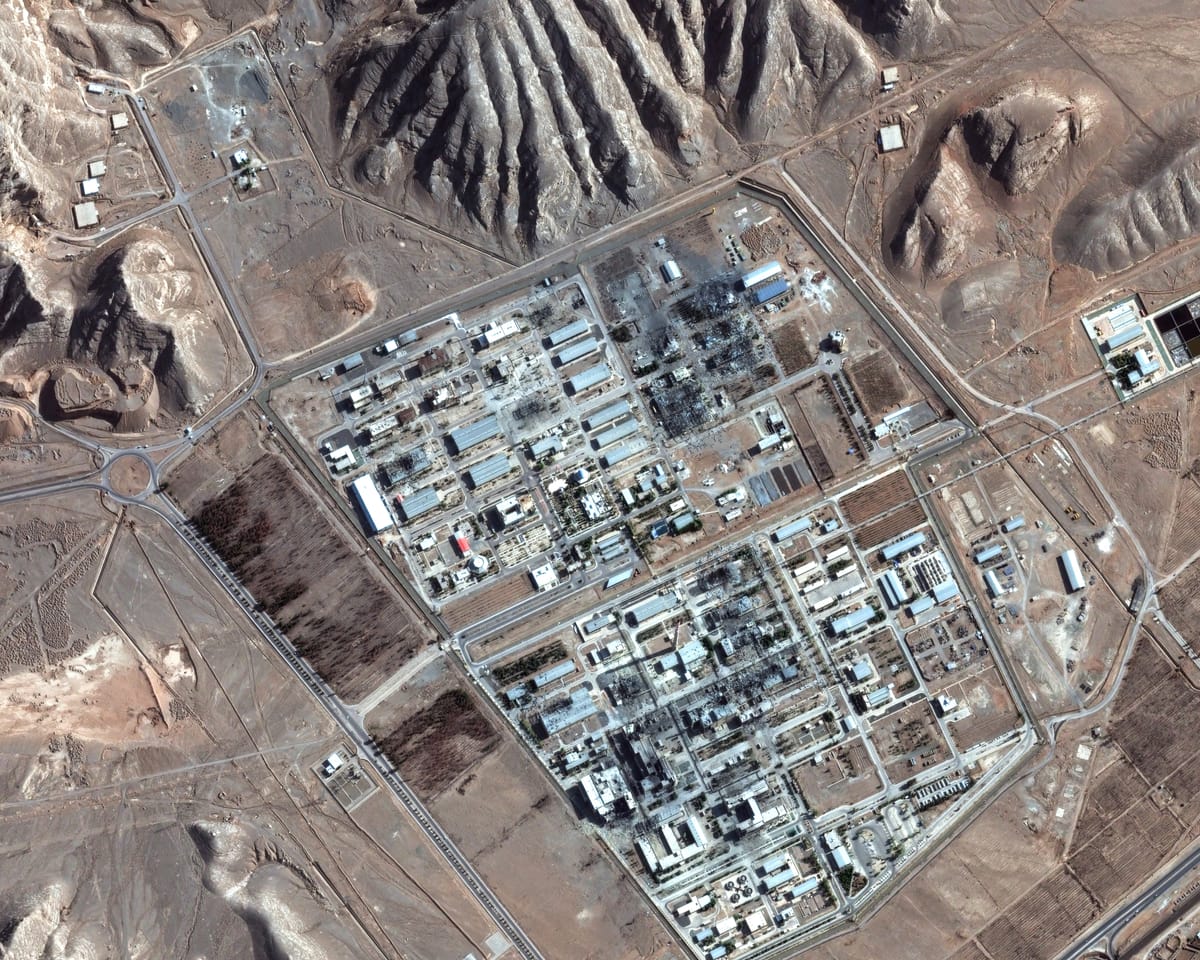
The UK, France, and Germany are set to announce on Thursday the reinstatement of extensive sanctions against Iran for refusing to allow UN inspectors full access to its nuclear facilities.
This decision, under review for months, is expected to escalate tensions between Iran and Western nations to their highest point since Israel’s strikes on Iranian nuclear sites in June. Iran has already signaled it will respond with retaliatory measures.
The sanctions, tied to six previously suspended UN resolutions, will take effect on 18 October when the 2015 nuclear agreement expires. The move by the three European nations—collectively known as the E3—cannot be blocked by permanent UN Security Council members such as Russia or China.
The E3 insists Iran must fully readmit inspectors from the International Atomic Energy Agency (IAEA). European officials also seek clarification on the whereabouts of an estimated 400kg of Iran’s highly enriched uranium following the June attacks.
Although some IAEA inspectors were permitted to return on Wednesday, Tehran condemned the move, alleging that its strict conditions had been violated.
European governments hope their formal notification to the UN—confirming the sanctions’ reinstatement—will push Iran toward negotiations. Once the process begins on Thursday, the E3 will have just over 30 days to proceed with or postpone the sanctions, potentially delaying them by six months. Discussions may also take place at the UN on conditions for lifting the penalties after their reimposition.
Iran’s foreign ministry has warned of consequences if Europe moves forward with the sanctions. Russia has proposed a six-month delay until 18 April to allow more time for diplomacy, but lacks sufficient support in the UN Security Council.
IAEA inspectors withdrew from Iran after the joint US-Israeli bombings of nuclear sites in June. Their return has faced strong opposition within Iran, where many view the agency as complicit in Israel’s actions and accuse inspectors of gathering intelligence. Iran has also criticized the IAEA for not condemning the June strikes.
Following the attacks, which killed over 1,000 Iranians—including top military and scientific figures—the Iranian parliament imposed strict conditions on the IAEA’s return.
IAEA chief Rafael Grossi confirmed that while inspectors were allowed back this week, they remain barred from Fordow, Natanz, and Isfahan, the primary targeted sites. Instead, they were granted access to observe refueling at Bushehr, a requirement under the nuclear non-proliferation treaty (NPT), which Iran has signed. Iranian officials also stated that only Russian IAEA inspectors would receive approval for entry.
Read next
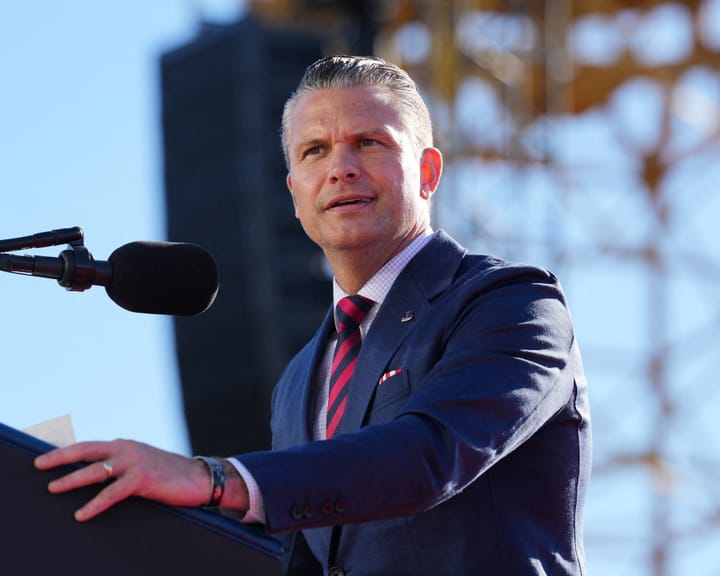
Pete Hegseth's proposal to stream executions aligns US with controversial nations.
If the US defense secretary, Pete Hegseth, proceeds with plans to livestream the execution of a soldier radicalized to extremist Islam, who killed 13 people at a military base in Texas, the US would join a group of lesser powers and rogue actors known for public executions in recent years.
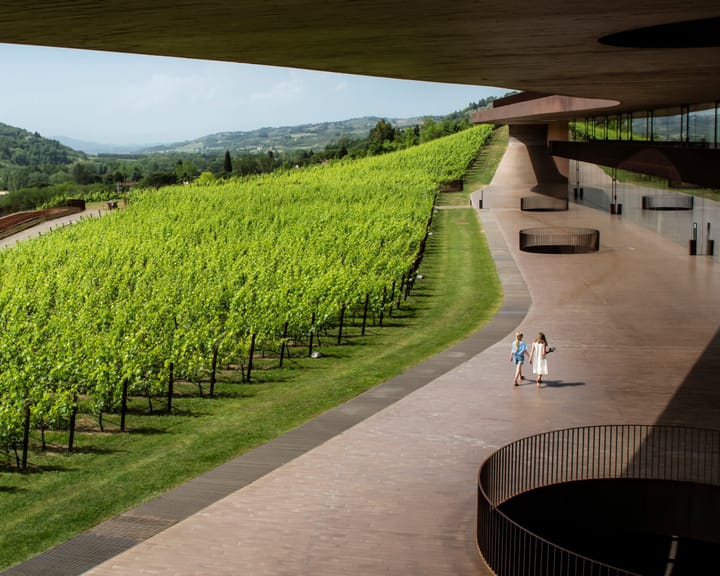
Criminals steal €5m from renowned Italian winery
In a significant theft in Tuscany, thousands of wine bottles valued at €5 million have been stolen from the renowned Marchesi Antinori winery, marking what is considered the largest heist of its kind in Italy. A group of at least seven masked individuals breached the winery's cellar in
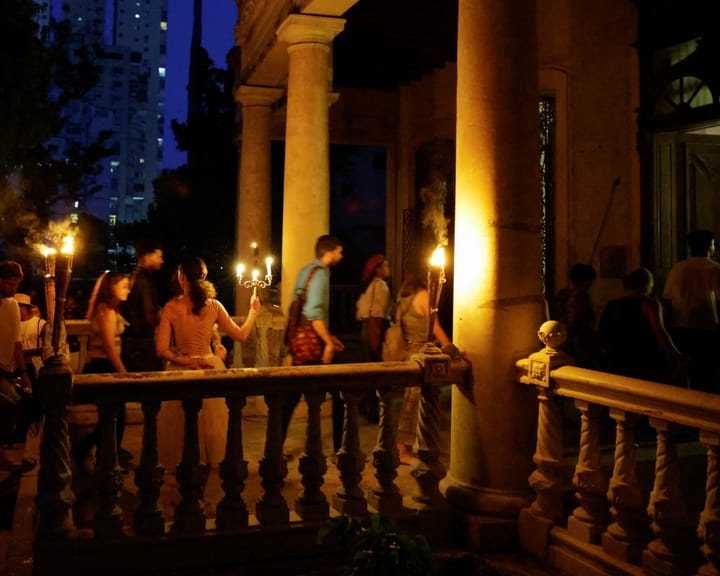
Illuminated Theater in Havana – A Photographic Journey
Widespread blackouts have become more frequent in Cuba since the US imposed energy sanctions in January. These outages often last longer than 24 hours as the aging electrical grid struggles to cope. The Impulso theatre group has been forced to adapt, as the power cuts present significant challenges for the