
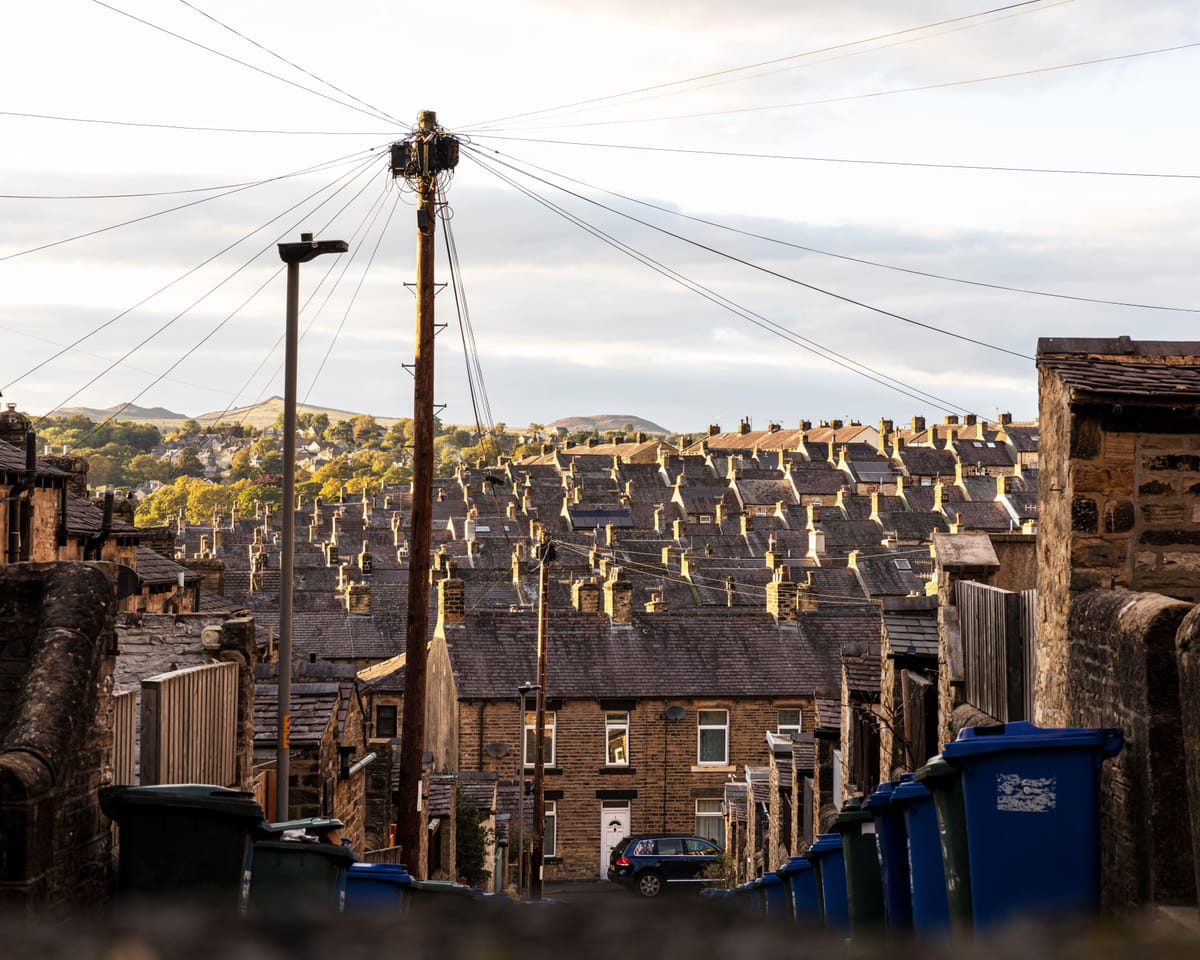
House prices in the United Kingdom rose in February as Chancellor Rachel Reeves avoided a repeat of the pre‑budget “negative speculation” that had weighed on the market, ahead of her spring forecast presentation on Tuesday.
Nationwide reported that the average house price reached £273,176 last month, a 0.3 % increase on the previous month. The rise matched January’s monthly gain and exceeded analysts’ expectations of a 0.2 % rise. The annual growth rate held steady at 1 %, the nation’s largest building society said.
The forthcoming budget forecast has not slowed the property market, unlike the speculation surrounding possible tax changes that surrounded last November’s budget.
Jason Tebb, president of the property portal OnTheMarket, observed: “Activity and sentiment in the housing market have continued to improve this year, with buyers and sellers moving forward with greater clarity and confidence, especially as the spring forecast has not attracted the same level of negative speculation that accompanied November’s budget.”
Reeves aims to convey stability and competence after a turbulent 18‑month period, following the latest projections from the independent Office for Budget Responsibility on Tuesday. In a brief statement to parliament, the chancellor is expected to underline progress on easing the cost of living and to assert that Labour has the “right plan” for restoring the economy.
Robert Gardner, chief economist at Nationwide, said the latest price data indicated “a modest recovery after a dip at the end of 2025” that had been driven by uncertainty over possible property‑tax reforms ahead of the budget. “Housing‑market activity is likely to pick up in the coming quarters, particularly if the improving affordability trend seen last year continues as anticipated.”
Transactions in the housing market rose 10 % last year compared with 2024. Gardner noted that better affordability and a loosening of mortgage availability “have helped to sustain first‑time‑buyer activity.”
UK inflation was expected to fall to the Bank of England’s 2 % target by April, which would allow another interest‑rate cut despite rising unemployment, weak growth and slowing wage gains.
Nevertheless, the probability of a March rate cut slipped to 71.4 % on Monday morning, down from 80 % the previous week, after US‑Israeli airstrikes on Iran pushed oil prices sharply higher amid concerns over supply disruption. Brent crude, the global benchmark, surged as much as 13 % in early trading, reaching $82 a barrel.
Alice Haine, personal‑finance analyst at Bestinvest, said higher energy costs would make it more difficult for the Bank to bring inflation back to target. She added that many borrowers with one of the 1.8 million fixed‑rate mortgages due to expire this year are moving from ultra‑low five‑year fixed deals into a markedly higher‑rate environment.
Read next

US Postal Service faces cash shortage by Feb 2027, agency chief warns
The United States Postal Service faces a cash shortfall within the next twelve months unless Congress removes the borrowing limit imposed on the agency, the postmaster general warned.
Speaking to the Associated Press, David Steiner said the service – which funds its operations through stamps and fees rather than tax revenue

UniCredit launches aggressive bid for Commerzbank as European takeover war intensifies
Two major European banks have entered a €35 billion (£30 billion) takeover contest after Italy’s UniCredit intensified its long‑standing bid for German lender Commerzbank, despite firm resistance from the German government.
UniCredit initially acquired a 9 % stake in Commerzbank in September 2024 and has since increased its holding

IEA weighs tapping additional oil reserves amid Iran conflict driving up prices
The international energy regulator is weighing another release of emergency crude reserves into the world market to temper climbing oil prices, after cautioning that market recovery will be slow following the ongoing strait of Hormuz crisis.
Fatih Birol, chief of the International Energy Agency, noted that member nations still hold