
UK inflation remained steady at 3.8% last month, defying predictions of an increase. The news comes as Chancellor Rachel Reeves prepares for her upcoming budget in November.
The Office for National Statistics (ONS) reported that the Consumer Prices Index (CPI) held at the same level in September as in the previous two months. Analysts had anticipated a rise to 4%, but the impact of higher transport costs was balanced by lower food prices and a slowdown in price increases for entertainment, including live music events.
For the 12th consecutive month, CPI inflation stayed above the government’s 2% target.
The figures boosted expectations that the Bank of England may reduce interest rates earlier than expected. Following the data release, financial markets adjusted forecasts, shifting the anticipated first rate cut from March to February next year.
Food prices, which had been a growing concern amid climate-related pressures, fell by 0.2% compared with August—the first monthly drop since May of last year. Annual food inflation also eased to 4.5% from 5.1% in August, marking the first slowdown since March.
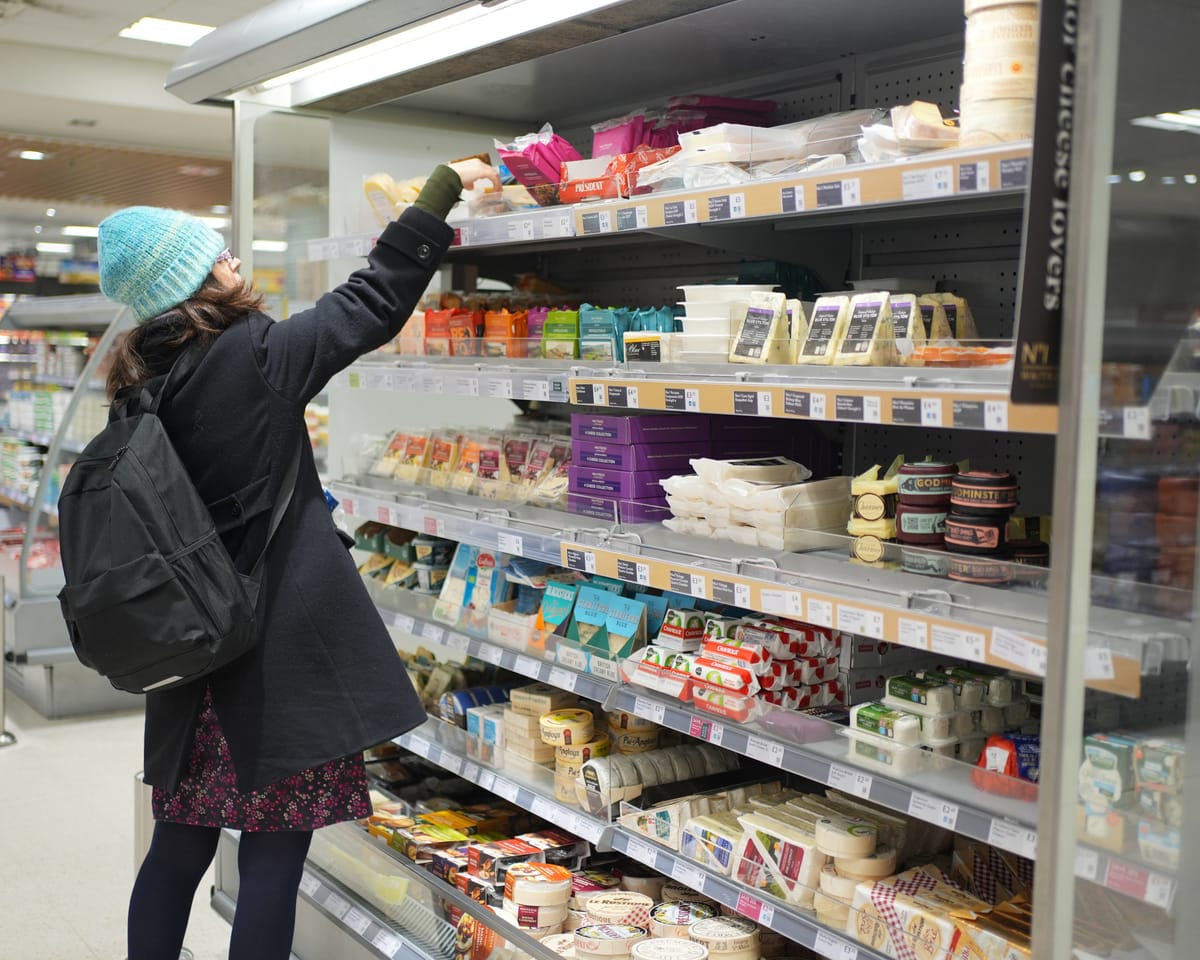
The ONS noted weaker price growth in the recreation and culture sector, covering activities such as theater and cinema visits. Prices in this category were unchanged from August, with live music ticket prices declining by 8.6%—a contrast to the 5.8% increase seen a year earlier.
These moderating trends offset higher transportation costs, particularly for fuel and air travel. Transport prices rose by 3.8% compared with last year, up from an annual increase of 2.4% in August.
Traditionally, taxes on alcohol and tobacco, along with rail fares, are adjusted based on September’s Retail Prices Index (RPI) inflation reading, which was reported at 4.5%. However, any decision on adjustments will not be finalized until the budget, and Reeves could opt for smaller increases as part of efforts to curb inflation.
Reeves stated, “These figures are not acceptable. For too long, our economy has been stagnant, leaving people working harder without seeing the benefits. This must change. The entire government is committed to assisting the Bank of England in reducing inflation.”
Last week, the Chancellor said she would introduce measures in her November budget to address rising living costs.
Earlier, the Bank of England highlighted the role of regulated prices—such as energy and transport fees—in pushing up household expenses. Reeves is expected to meet with cabinet ministers to discuss ways different departments can help contain inflation.
Read next
Jaguar Land Rover suppliers voice ‘everything is against us’ amid cutbacks
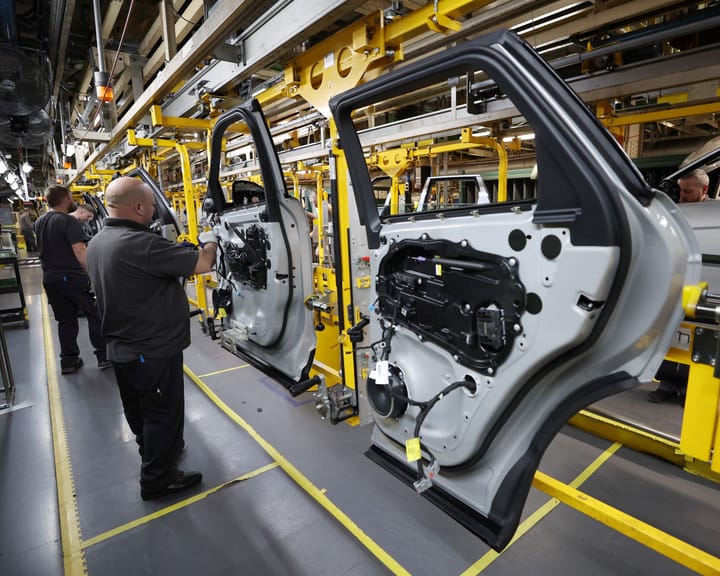
David Roberts, chair of Coventry-based Evtec, says the outlook for Britain’s automotive sector is grim, with “everything against us.” Evtec is a tier 1 supplier to Jaguar Land Rover, which this week announced 4,000 job cuts over two years despite chancellor John Healey’s attempt to talk

Europe’s fighter jet plans in disarray: what comes next?
When former ECB president and Italian PM Mario Draghi urged Europe to catch up economically with the US and China, defence collaboration was prescribed. No more should each nation build independent boats, tanks or jets; allies should share costs and technologies.
Europe stumbled at the first hurdle. German Chancellor Friedrich
John Healey supports growth but insists Labour must be truthful about spending
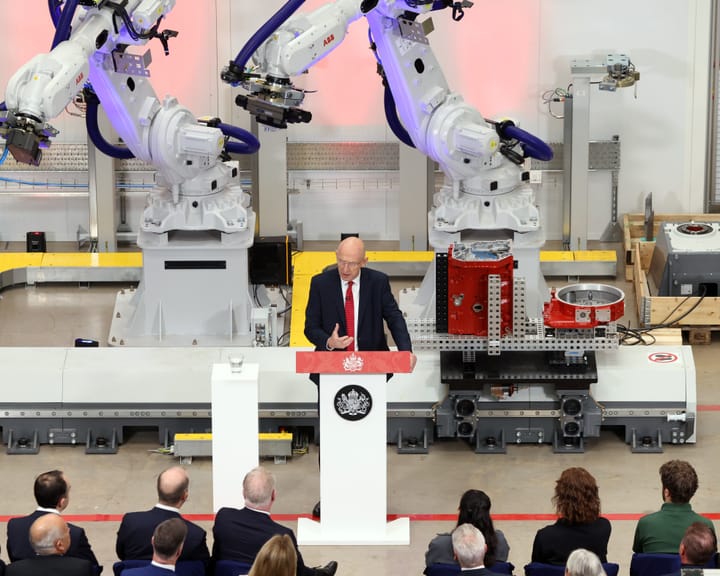
John Healey has stated that his primary goal as chancellor will be to boost economic growth, while acknowledging that Labour must be straightforward about controlling public spending at next month's budget.
In his first major address since assuming the role in July, Healey said the leading focus of