
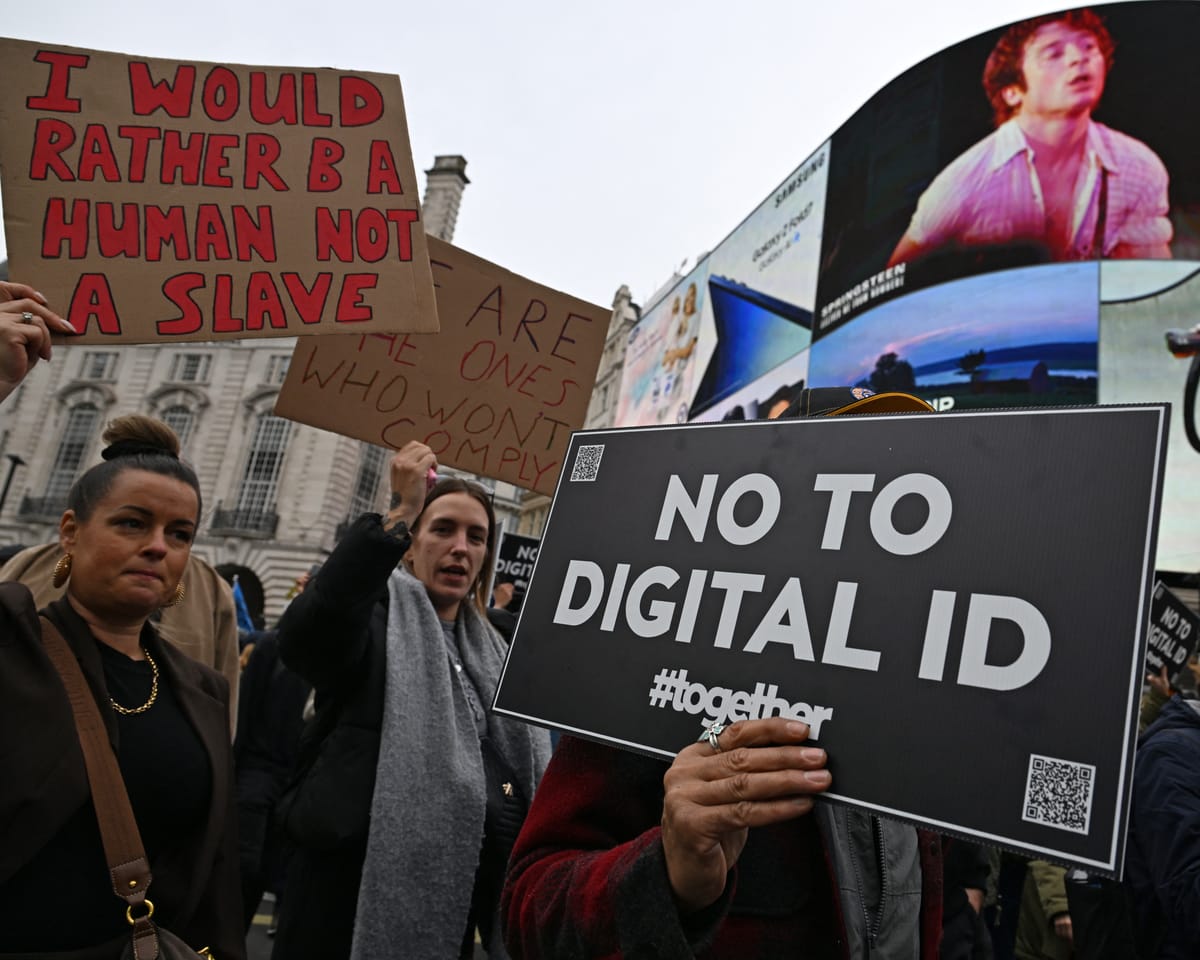
Ministers will invite a hundred people chosen at random from across the United Kingdom to take part in the government’s consultation on digital identification, as officials aim to counter conspiracy theories surrounding the intended use of the system.
Darren Jones, the chief secretary to the prime minister, will set out the details of the consultation on Tuesday, despite doubts expressed by sections of the public and some members of the government.
The consultation will include a “citizens’ assembly” that will gather participants’ opinions in order to capture the concerns of those without specialist knowledge.
Jones also faces opposition from within his own cabinet; education secretary Bridget Phillipson is reported to have ruled out employing the technology for allocating special‑educational‑needs funding.
Jones said: “Public confidence in the state has been falling for years, regardless of who is in charge, and people often feel excluded from decision‑making.
“This consultation goes further than usual to involve ordinary citizens in the major debates and the difficult trade‑offs. We are deliberately seeking the views of everyday people from all backgrounds and regions, so that the loudest or most powerful voices do not dominate.”
Prime minister Keir Starmer announced last year that the government intended to introduce a compulsory national digital ID, initially as a means of confirming that workers have the right to work in the UK.
The government has since abandoned the compulsory element, saying that employees may instead present alternative forms of identification, such as passport scans, to prove their right to work.
On Tuesday, Jones will outline other possible applications for the scheme, primarily aimed at simplifying access to public services.
A government spokesperson said the digital ID is intended to make daily life more convenient for citizens and to help public services operate in a more coordinated and effective manner.
The proposed uses will not extend to the NHS, with health secretary Wes Streeting having voiced his own reservations about the plan. They will also not be employed for special‑educational‑needs support, as Phillipson has decided against digital SEND passports in the reforms she announced last month.
Ministers have been uneasy about the negative reaction the proposal has attracted, some of which has been driven by misinformation. The BBC recently issued an apology after its comedy programme *Have I Got News For You* incorrectly claimed that the contract for the project had been awarded to Euan Blair, son of former prime minister Tony Blair.
Officials hope the citizens’ assembly – a process used in Ireland to build consensus on issues such as abortion legislation – will help restore confidence in the scheme. The panel will convene over several weekends, hear from experts and officials, hold public debates and ultimately produce its own set of recommendations.
Read next
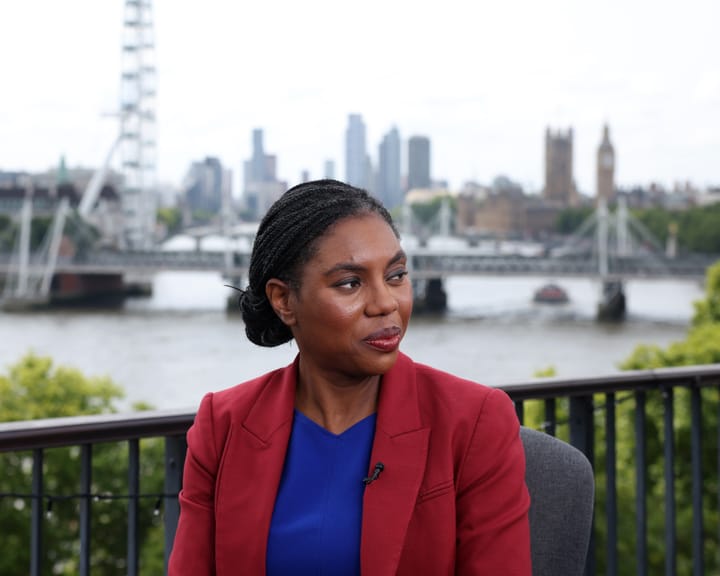
Badenoch returns to Conservative conference, markedly stronger than a year ago
A year ago, Tory MPs feared a fresh leadership revolt against Kemi Badenoch as Tories hit historic 14-16% support; November, after 12 months, was hushed: decisive challenge month. Yet, despite poor polls, “Keminisation” saw her impose style and authority.
More in Common’s Luke Tryl, director, said Badenoch holds

UK sanctions plan on illegal Israeli settlements faces criticism from US, Israel and British MPs
Today, with the agreement of Prime Minister Netanyahu, Israeli officials announced a series of countermeasures in response to new sanctions declared by the British foreign secretary of the Labour government, following a sequence of anti-Israel decisions by the same administration.
The accusations leveled today by the Labour foreign secretary,
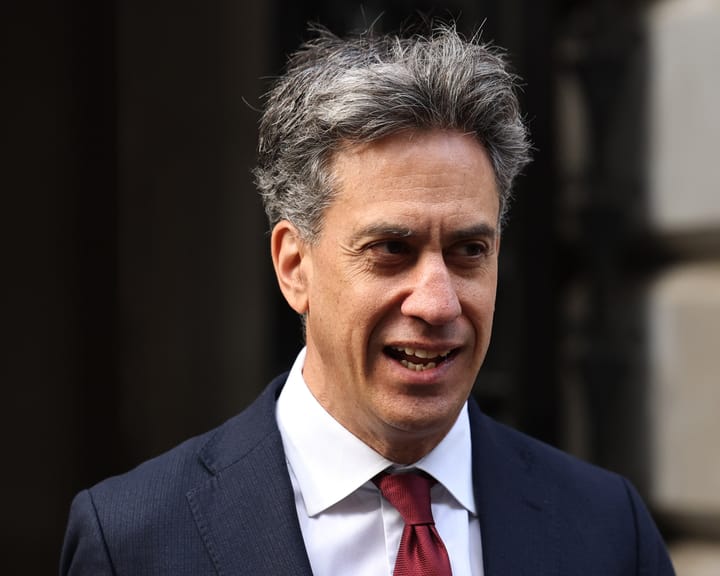
UK announces trade ban on Israeli settlements as tougher stance
Ed Miliband will announce a broad reset of the UK’s relations with Israel on Tuesday, pledging a more active stance in support of the Palestinian cause. In an intervention drawing fierce criticism from the US and Israel, the foreign secretary will impose a ban on trade in goods and