
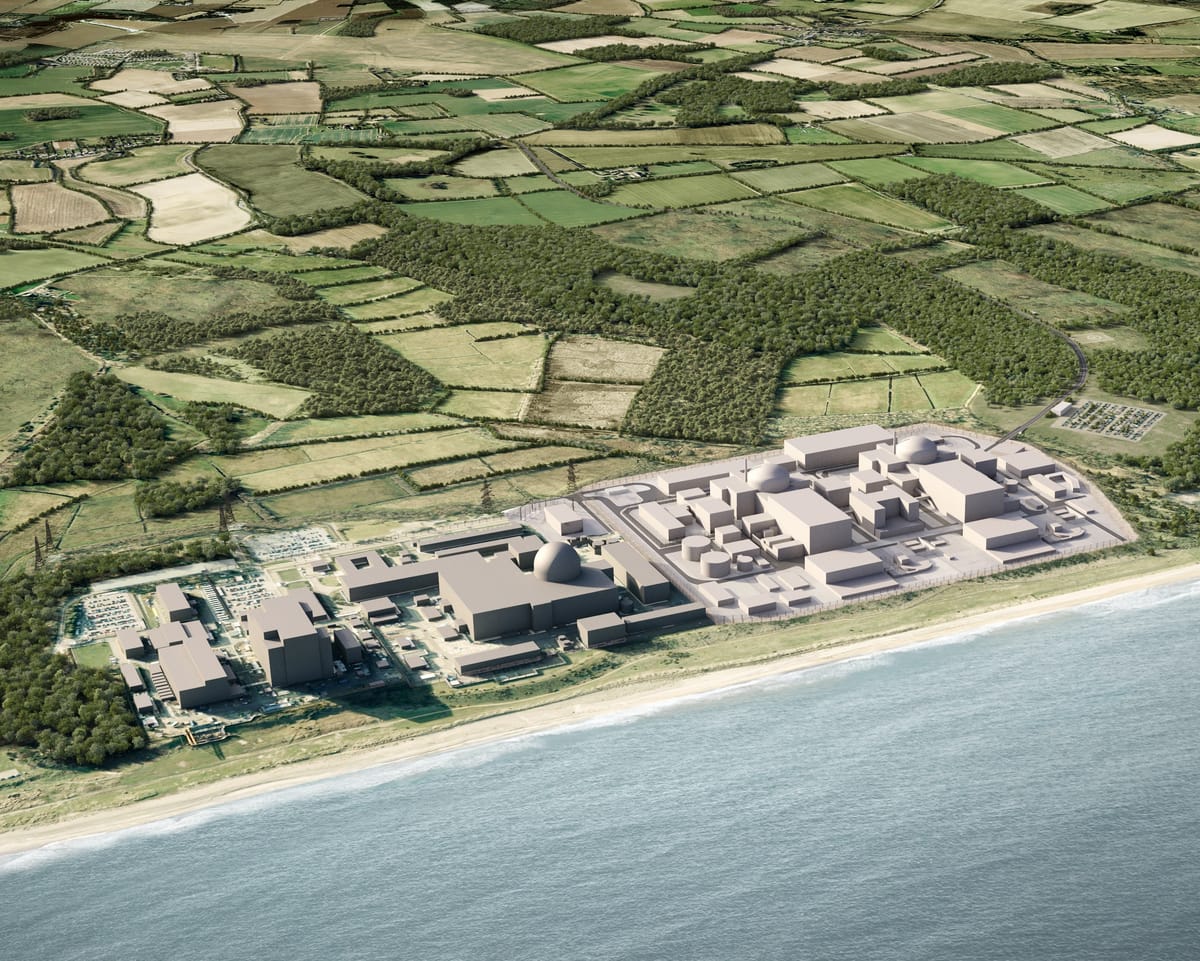
The UK government has finalized an agreement worth over £38 billion with private investors to support the country’s largest nuclear initiative in decades at the Sizewell C site in Suffolk.
The deal, long in the making, includes funding from the UK government, the French energy company EDF—which is leading the project—and three other investors, among them Centrica, the parent firm of British Gas.
At the end of last year, the UK government held an 84% stake in the project, while EDF controlled 16%. Under the finalized terms, the government will remain the majority shareholder with 44.9%, while EDF’s share decreases to 12.5%.
Centrica will own 15%, the Canadian investment group La Caisse will hold 20%, and the investment manager Amber Infrastructure will initially take 7.6%.
The agreement concludes a 15-year effort to secure funding for the nuclear facility, first identified for development in 2010.
Once completed, Sizewell C is expected to be the country’s second major nuclear site in decades, supplying low-carbon energy to approximately 6 million homes. This follows the construction of EDF’s Hinkley Point C plant in Somerset.
Chancellor Rachel Reeves stated that the investment demonstrated confidence in the UK as a center for nuclear energy. She added that developing new, publicly supported clean energy was essential for energy security and economic growth, while also creating jobs and benefiting the local economy.
Energy Secretary Ed Miliband recently described the project as a key step in advancing the country’s nuclear sector, essential for reducing reliance on fossil fuels and meeting climate goals.
However, the financing plan has drawn criticism from opponents of nuclear energy, as it includes provisions for EDF to receive funds from consumer energy bills starting from construction. Critics argue this could leave households responsible for potential delays or budget overruns.
This differs from the Hinkley Point C funding model, under which EDF will only generate revenue once the plant begins operating in the early 2030s.
Read next
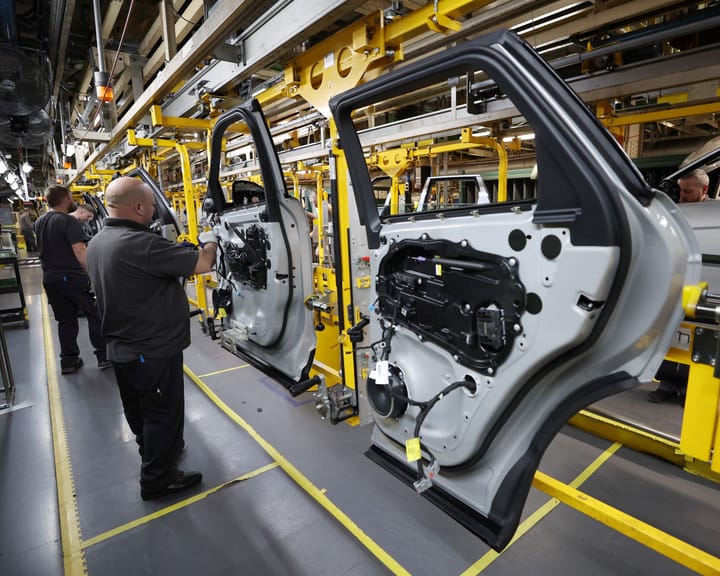
Jaguar Land Rover suppliers voice ‘everything is against us’ amid cutbacks
David Roberts, chair of Coventry-based Evtec, says the outlook for Britain’s automotive sector is grim, with “everything against us.” Evtec is a tier 1 supplier to Jaguar Land Rover, which this week announced 4,000 job cuts over two years despite chancellor John Healey’s attempt to talk
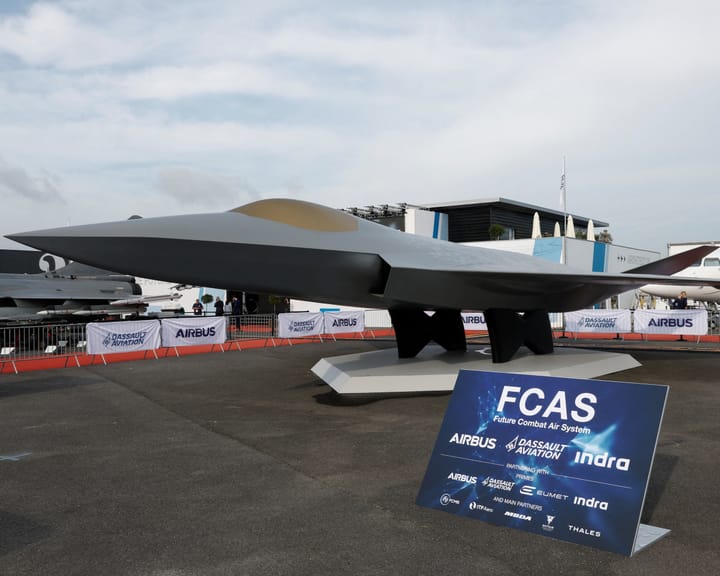
Europe’s fighter jet plans in disarray: what comes next?
When former ECB president and Italian PM Mario Draghi urged Europe to catch up economically with the US and China, defence collaboration was prescribed. No more should each nation build independent boats, tanks or jets; allies should share costs and technologies.
Europe stumbled at the first hurdle. German Chancellor Friedrich
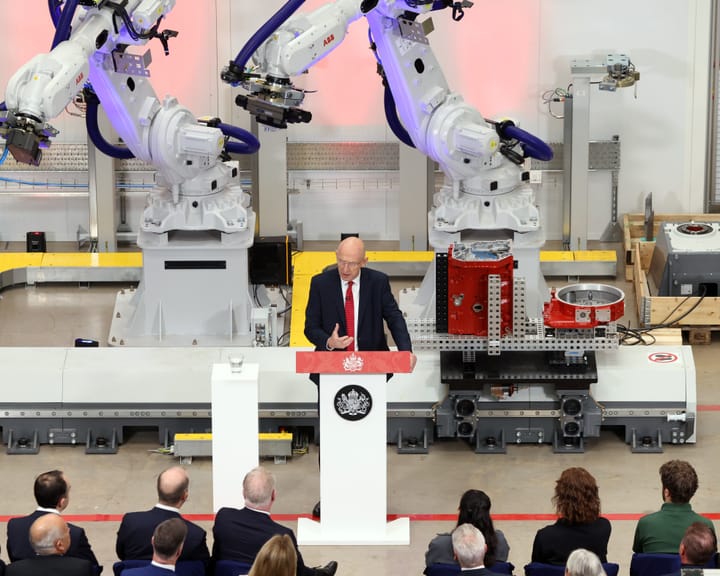
John Healey supports growth but insists Labour must be truthful about spending
John Healey has stated that his primary goal as chancellor will be to boost economic growth, while acknowledging that Labour must be straightforward about controlling public spending at next month's budget.
In his first major address since assuming the role in July, Healey said the leading focus of