
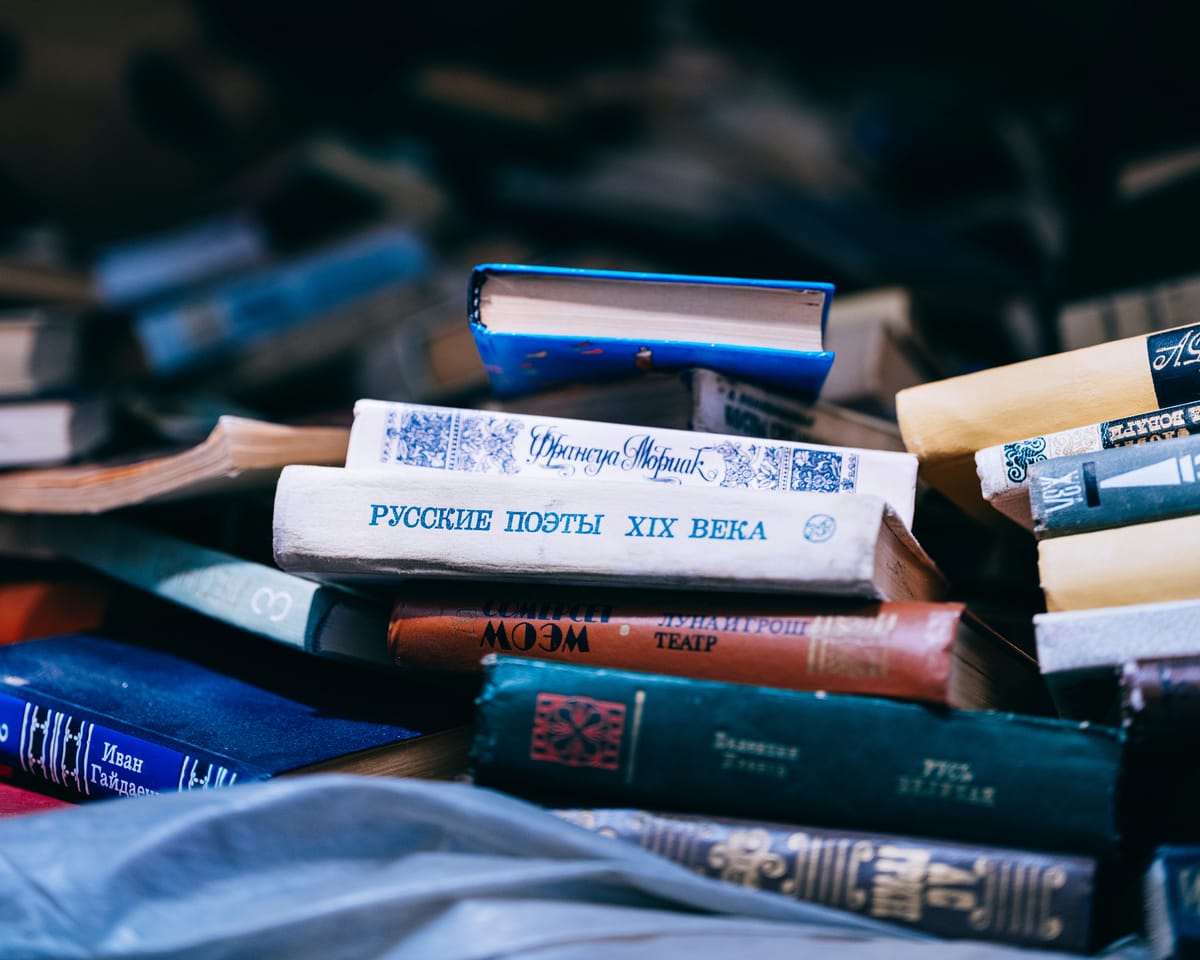
One afternoon this summer, Ukrainian artist Stanislav Turina carried two books to his garden near Kyiv. One was a collection of poems by Alexander Pushkin.
Though Turina was an avid reader, always with a few books in his bag, he had no intention of reading this one again.
Since the 2022 invasion, the 19th-century Russian poet had taken on troubling significance in Ukraine. The occupying forces often used Pushkin as a symbol of Russian identity—huge posters of him, for example, were displayed in Kherson during its occupation.
For many Ukrainians, this showed how Pushkin had been turned into a cultural tool in Russia’s war. Some also argued that his poetry reinforced, or even shaped, Russia’s imperialist thinking. Since 2022, many of his statues have been taken down, and streets named after him (there were at least 594 in 2018) have either reverted to old names or received new ones.
Turina knew he couldn’t sell the book. “You couldn’t give it to a friend or a library,” he said. So in his garden, he carefully placed the Pushkin volume into a fire.
Burning Pushkin wasn’t an act of hatred, he explained. It was a personal exploration.
“Destroying books feels barbaric to me,” he said. “But I wanted to see how it would feel.” He wondered if he’d experience catharsis, grief, or anger.
“I felt nothing. No good, no bad,” he admitted.
The second book in Turina’s hand was by contemporary Russian poet Dmitry Vodennikov.
For him, this represented a different connection.
As a student in Lviv in the early 2000s, Turina had seen Vodennikov perform. The experience was eye-opening.
“It was something fresh, a new voice. I sensed he was gay—it was in the undertones. It was tender. Fascinating,” he said. “I became a fan.”
Turina once told his parents he needed extra money for sneakers—then spent over half his student allowance on a book of Vodennikov’s poetry.
“Eventually, I knew all his work,” Turina said. “He shaped my thoughts, my creative outlook.”
But after 2022, Turina looked into Vodennikov’s stance on the war. “Now,” he said, “I see he supports it.” So Turina left Vodennikov’s book in the garden—to rot.
Across Ukraine, readers are grappling with what to do with Russian-language books. Many, especially in artistic and cultural circles, have shifted to Ukrainian in daily life.
The question of how to distance themselves from centuries of Russian and Soviet influence remains a topic of debate.
In many cases, Russian missiles have made the choice for people.
Read next
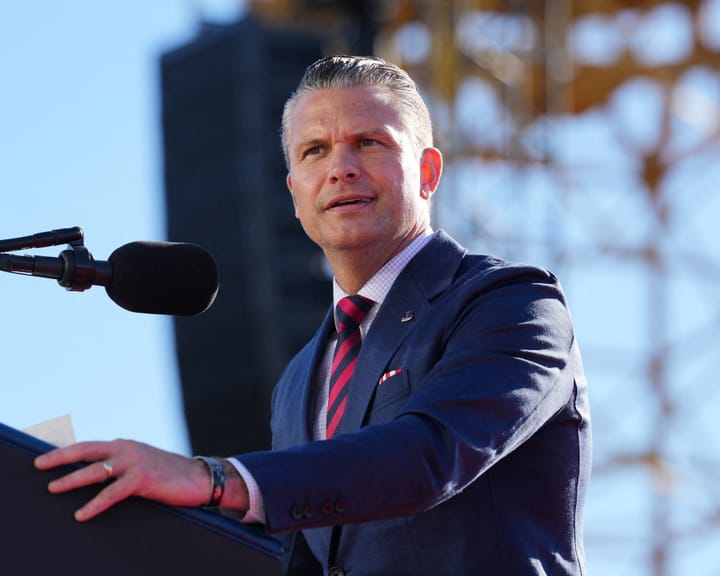
Pete Hegseth's proposal to stream executions aligns US with controversial nations.
If the US defense secretary, Pete Hegseth, proceeds with plans to livestream the execution of a soldier radicalized to extremist Islam, who killed 13 people at a military base in Texas, the US would join a group of lesser powers and rogue actors known for public executions in recent years.
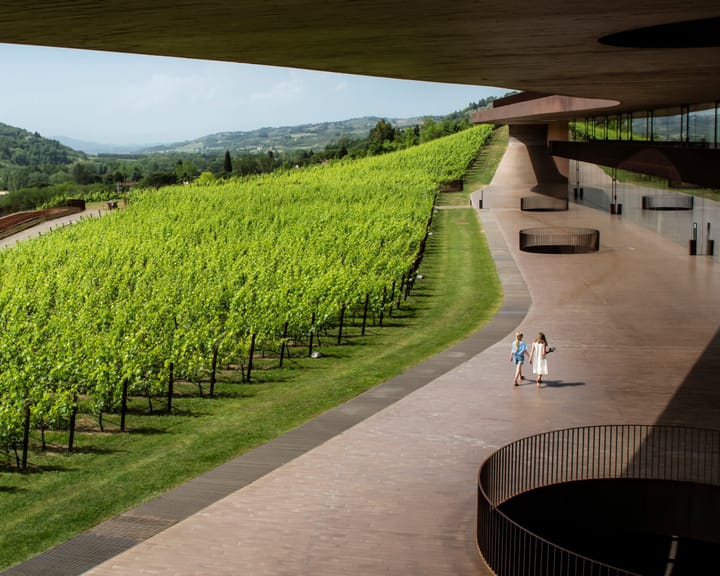
Criminals steal €5m from renowned Italian winery
In a significant theft in Tuscany, thousands of wine bottles valued at €5 million have been stolen from the renowned Marchesi Antinori winery, marking what is considered the largest heist of its kind in Italy. A group of at least seven masked individuals breached the winery's cellar in
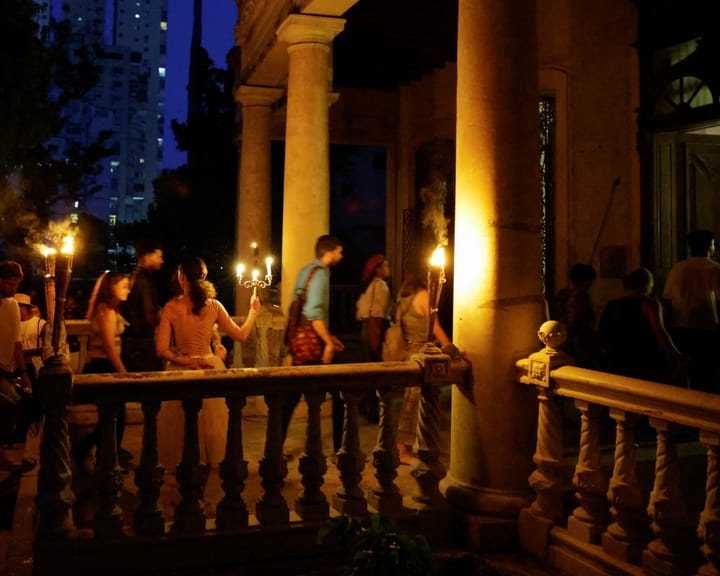
Illuminated Theater in Havana – A Photographic Journey
Widespread blackouts have become more frequent in Cuba since the US imposed energy sanctions in January. These outages often last longer than 24 hours as the aging electrical grid struggles to cope. The Impulso theatre group has been forced to adapt, as the power cuts present significant challenges for the