
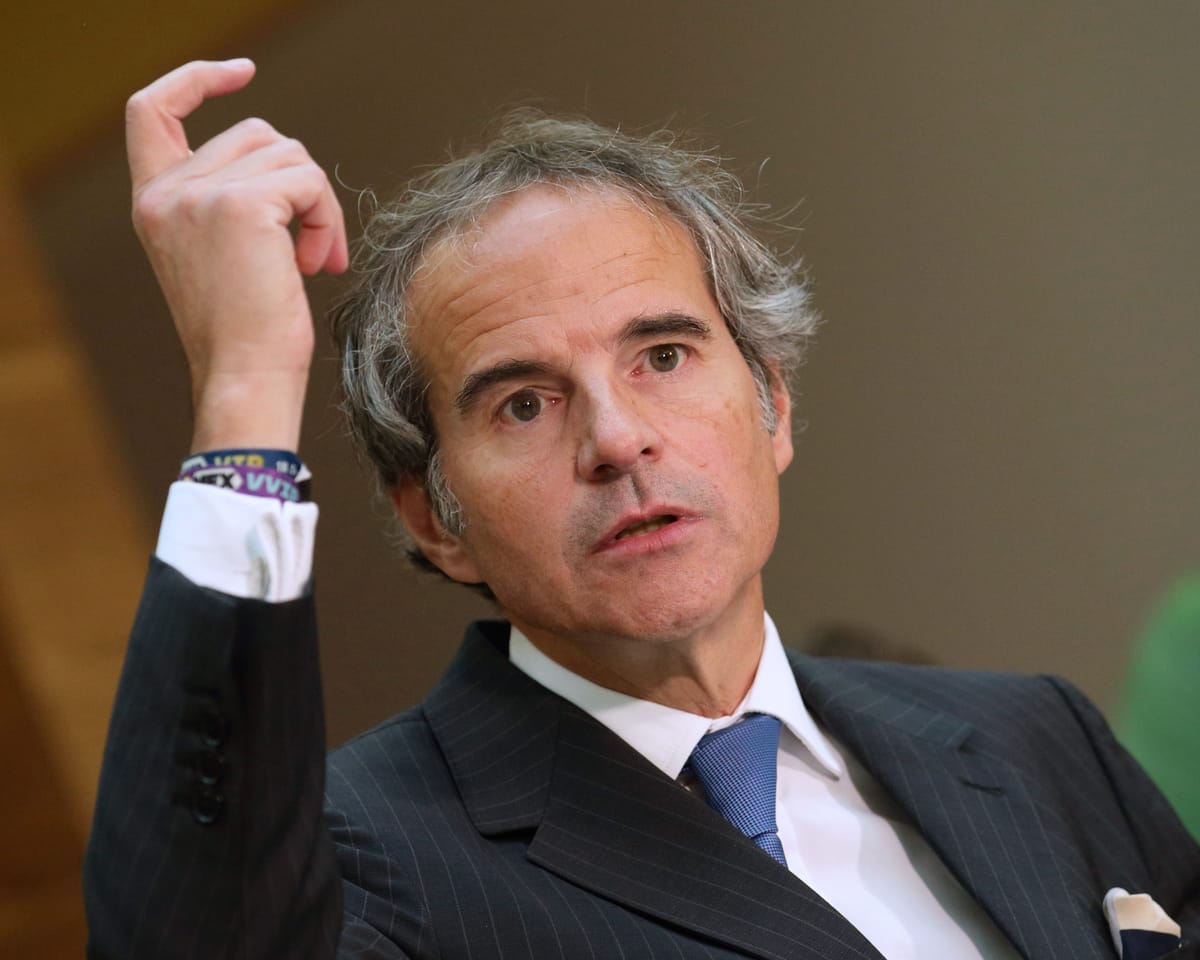
Partial Return of UN Inspectors to Iran Sparks Protests
The return of UN inspectors to Iran for the first time since Israeli and US strikes targeted its nuclear facilities has drawn criticism from officials in Tehran, who allege that the agreed conditions for their visit were violated. Some have even condemned the move as unlawful.
Abbas Araghchi, Iran’s foreign minister, sought to ease tensions by clarifying that the International Atomic Energy Agency (IAEA) inspectors would not be visiting any of the damaged sites and that further discussions on those locations were still pending.
He stated that the visit had been approved by Iran’s Supreme National Security Council and that inspectors would only be permitted to monitor refueling operations at the Bushehr nuclear facility—a requirement under the international nuclear non-proliferation agreement.
Rafael Grossi, the IAEA’s director general, confirmed on Wednesday that inspectors had resumed work in Iran.
However, Iranian lawmakers argued that allowing the inspectors back contravened legislation passed in July, enacted after the Israeli strikes, which broadly prohibited the UN agency’s return. Mohammad Taqi Naqdali, a representative from Khomeini Shahr, led the objections, calling the decision a legal violation.
“We passed a law in parliament mandating that all cooperation with the IAEA be halted unless Iran’s sovereignty, the safety of nuclear scientists, and the nation’s rights are fully guaranteed, as verified by the Atomic Energy Organization and the Supreme National Security Council,” he said.
“Anyone violating this law is liable and will face the strictest penalties under our judicial system.”
The backlash highlights the government’s challenge in managing heightened nationalist sentiment while avoiding further UN sanctions or additional military action from Israel.
The UK, France, and Germany have repeatedly warned they may reinstate previously lifted sanctions when a decade-old nuclear agreement with Iran expires on 18 October.
To prevent this, European officials have outlined three conditions: Iran disclosing the location of its stockpile of highly enriched uranium, permitting the full return of IAEA inspectors who withdrew after the joint US-Israeli strikes in June, and resuming negotiations with the US over its nuclear program.
If the current, limited return of inspectors is sufficient to delay sanctions, it would represent a minimal concession by Iran.
Meanwhile, Russia has proposed a draft resolution at the UN Security Council to delay the reinstatement of sanctions by six months, offering Europe additional time if Iran demonstrates a willingness to engage in diplomatic talks.
Should European nations proceed with reimposing sanctions lifted in 2015, the decision could not be blocked by Russia or China, but it risks further straining relations between Western nations and Tehran.
Read next
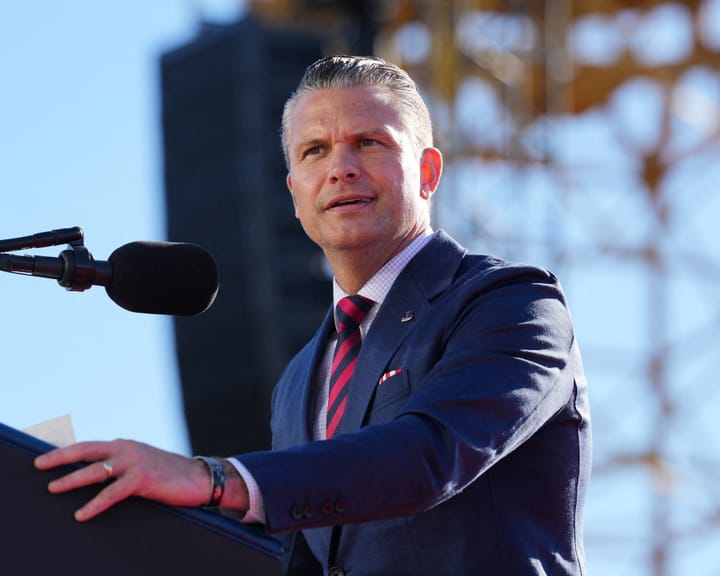
Pete Hegseth's proposal to stream executions aligns US with controversial nations.
If the US defense secretary, Pete Hegseth, proceeds with plans to livestream the execution of a soldier radicalized to extremist Islam, who killed 13 people at a military base in Texas, the US would join a group of lesser powers and rogue actors known for public executions in recent years.
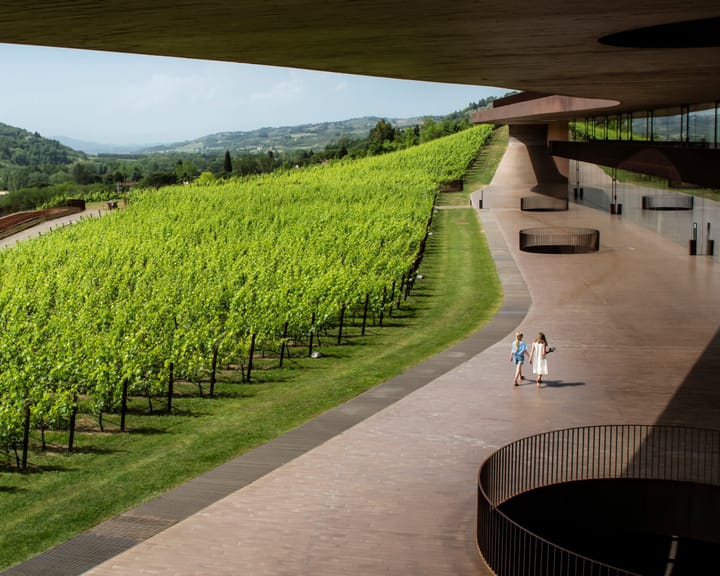
Criminals steal €5m from renowned Italian winery
In a significant theft in Tuscany, thousands of wine bottles valued at €5 million have been stolen from the renowned Marchesi Antinori winery, marking what is considered the largest heist of its kind in Italy. A group of at least seven masked individuals breached the winery's cellar in
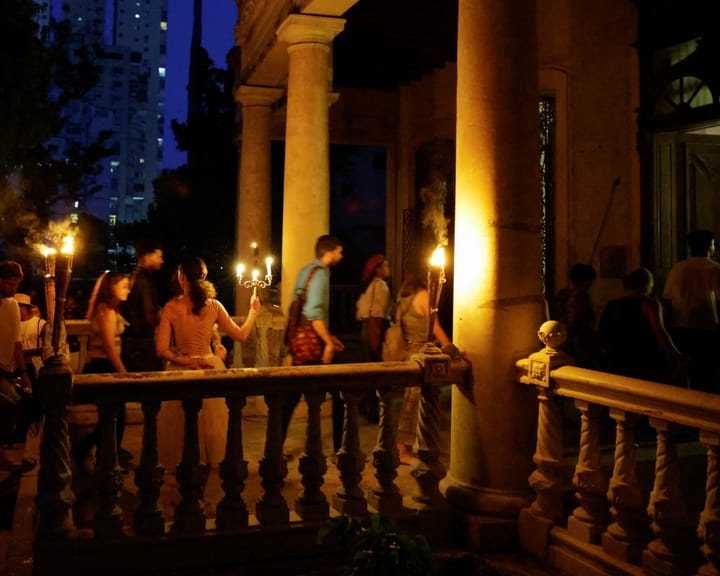
Illuminated Theater in Havana – A Photographic Journey
Widespread blackouts have become more frequent in Cuba since the US imposed energy sanctions in January. These outages often last longer than 24 hours as the aging electrical grid struggles to cope. The Impulso theatre group has been forced to adapt, as the power cuts present significant challenges for the