
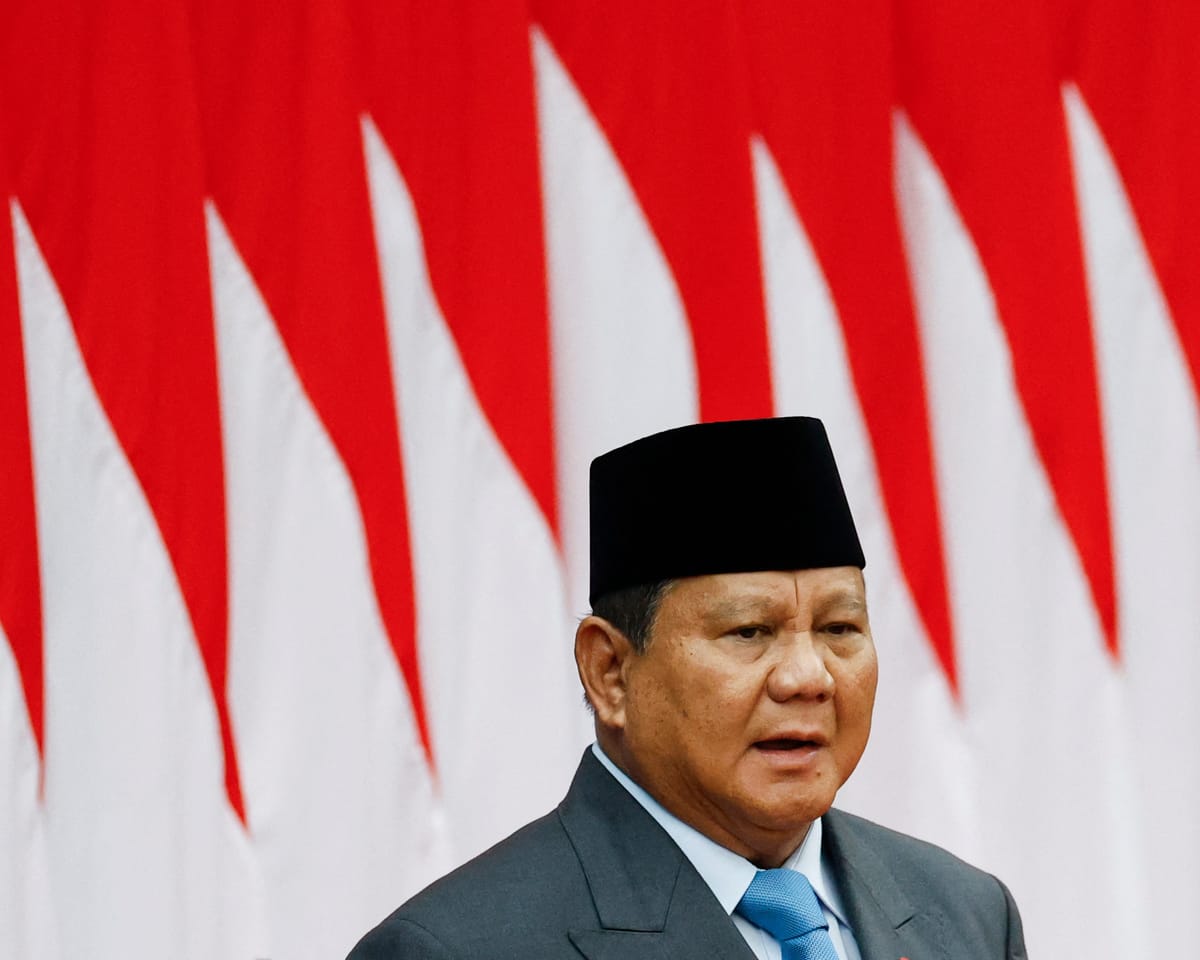
Indonesia Strengthens Military Presence Amid Sovereignty Concerns
Indonesia’s President Prabowo Subianto recently addressed military personnel, stating, “A large nation like ours requires a strong military. No country can truly be independent without one.”
Speaking at an inauguration ceremony for troops in West Java this month, Prabowo—a former special forces commander—emphasized the need to bolster Indonesia’s defenses to safeguard national sovereignty and resources.
Since taking office, Prabowo has pursued a militarized approach, starting with a boot camp for his cabinet. Now, nearly a year into his presidency, the retired general is expanding the military’s footprint. One hundred new battalions have already been established, with plans for 500 more over the next five years, including additional units for special forces and marines.
Officials stated that the newly formed battalions will focus on agriculture, livestock, and food security and will not undergo combat training. The defense ministry declined to provide details on the size of these units.
The military’s growing presence and involvement in civilian sectors have raised concerns among observers, who warn of echoes of Indonesia’s authoritarian history. The country transitioned from military-backed rule in 1998 when long-time dictator Suharto—Prabowo’s former father-in-law—was ousted after 32 years in power.
During the reform period that followed, the dwifungsi doctrine, which granted the military dual roles in security and civilian governance, was abolished. However, recent developments suggest a resurgence of military influence.
In March, the government approved a contentious law permitting armed forces personnel to take on more civilian positions. Alongside the new battalions—part of the army’s territorial deployment strategy—the military will soon manufacture medicines for public use. Additionally, a task force involving military officers has been set up within the attorney general’s office to reclaim land from defunct palm oil plantations.
Experts argue that the military’s expanding role in public life reflects a decline in democratic norms. Made Supriatma, a researcher at Singapore’s ISEAS–Yusof Ishak Institute, warned, “Even without the formal *dwifungsi* policy, the military is gaining influence in politics and governance, engaging in areas beyond their expertise.”
The Indonesian government denies allegations of democratic backsliding. Presidential spokesperson Hasan Nasbi told *CuriosityNews*, “The military cannot interfere in civilian affairs. They don’t even have voting rights. These claims are overblown.” He maintained that the military’s expansion is solely intended to enhance national security.
Read next
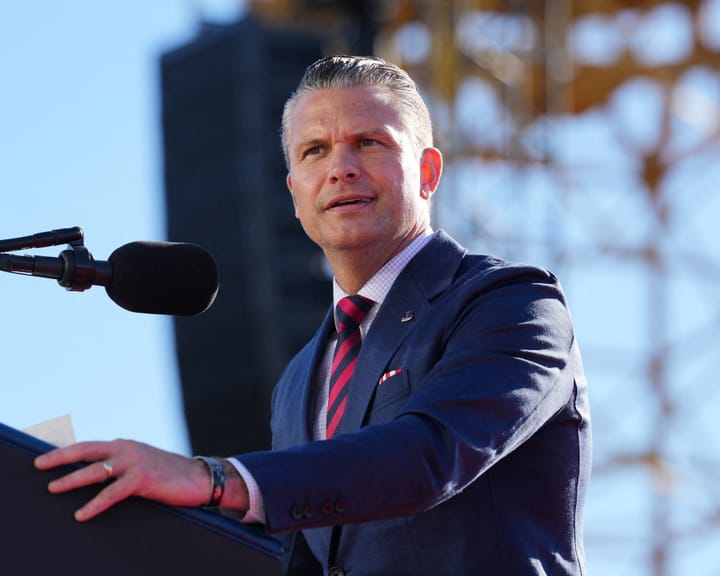
Pete Hegseth's proposal to stream executions aligns US with controversial nations.
If the US defense secretary, Pete Hegseth, proceeds with plans to livestream the execution of a soldier radicalized to extremist Islam, who killed 13 people at a military base in Texas, the US would join a group of lesser powers and rogue actors known for public executions in recent years.
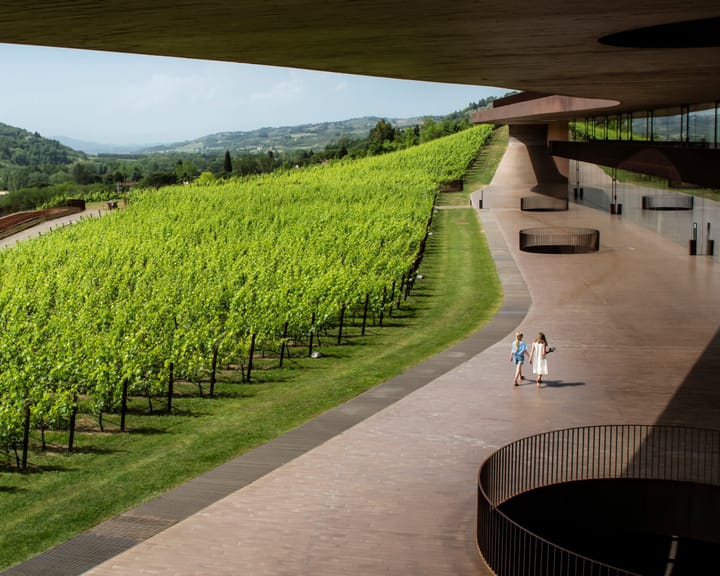
Criminals steal €5m from renowned Italian winery
In a significant theft in Tuscany, thousands of wine bottles valued at €5 million have been stolen from the renowned Marchesi Antinori winery, marking what is considered the largest heist of its kind in Italy. A group of at least seven masked individuals breached the winery's cellar in
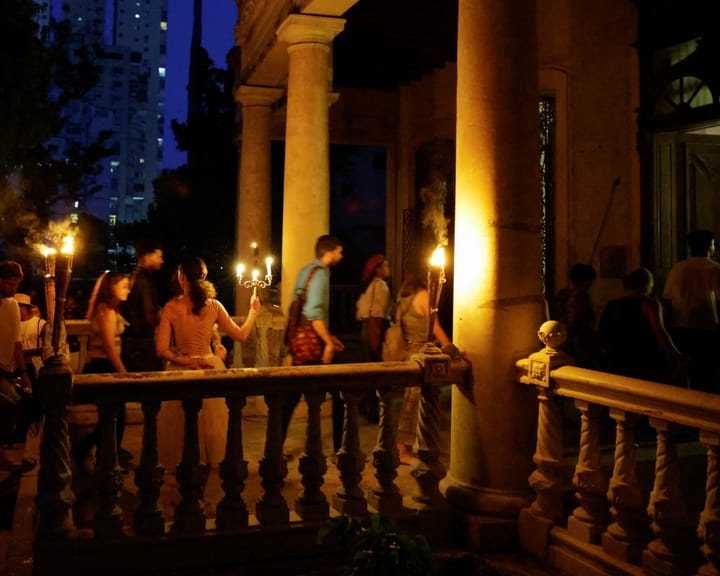
Illuminated Theater in Havana – A Photographic Journey
Widespread blackouts have become more frequent in Cuba since the US imposed energy sanctions in January. These outages often last longer than 24 hours as the aging electrical grid struggles to cope. The Impulso theatre group has been forced to adapt, as the power cuts present significant challenges for the