
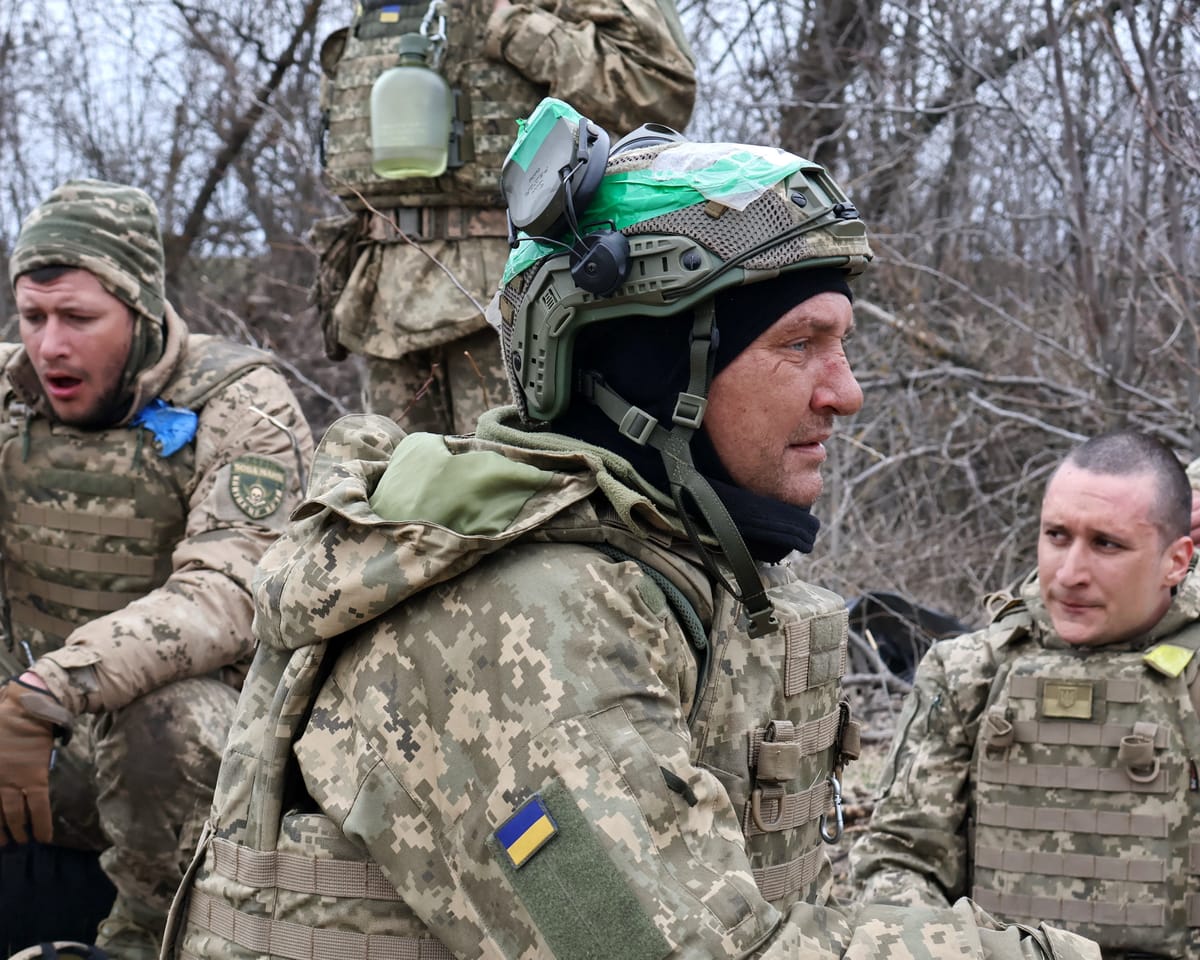
Ukrainian and American negotiators aiming to forge a peace deal to end Russia’s invasion began a new round of talks in Florida on Saturday, with additional sessions scheduled for the weekend. Russian delegates were absent from the gathering. “We kept working on the main issues and the next steps in the negotiation track,” chief Ukrainian negotiator Rustem Umerov wrote on X. Earlier this year, Russian and Ukrainian representatives met in two U.S.-mediated sessions in the United Arab Emirates and held a round in Geneva last month. Moscow and Kyiv reached agreements on prisoner swaps, yet no major breakthroughs emerged.
The White House called the recent meeting “constructive,” noting that discussions were “aimed at narrowing and resolving remaining points to move toward a comprehensive peace pact.”
Russian strikes killed four people in southeastern Ukraine and left much of the northern Chernihiv region without electricity on Saturday, officials reported. Zaporizhzhia governor Ivan Fedorov said a morning attack on the city killed a man and a woman and wounded six others, including two children. In the neighboring Dnipropetrovsk region, authorities said two people died southeast of the regional capital Dnipro, and five more were injured in attacks at several locations. In his nightly video address, President Volodymyr Zelenskyy said power had been cut to parts of Chernihiv, where crews were working to repair damage after a drone hit an energy facility. Power and water supplies were also interrupted in sections of Kyiv.
Ukrainian forces bombarded a public building in Russia’s Belgorod border region on Saturday, killing four people, the regional governor reported. Vyacheslav Gladkov wrote on Telegram that the strike hit a “social site” in the village of Smorodino, offering no further details. He added that the bodies of two women were recovered from the rubble. Belgorod has been a frequent target of Ukrainian attacks throughout the four‑year conflict.
Authorities in almost a dozen Russian regions have recently invoked various pretexts to block protests against internet censorship and the ban on the messaging app Telegram. In most instances, the bans held. Cautious of a post‑invasion crackdown on dissent, activists chose not to risk unauthorized rallies, even when the issues were unrelated to the war. Some challenged the refusals in court, while others reduced their actions to smaller indoor meetings.
Tens of thousands of Czechs gathered on a wide plain in Prague on Saturday to protest the government of billionaire prime minister Andrej Babi, denouncing it for an “arrogance of power.” The Million Moments for Democracy movement behind the demonstration accused the administration of downplaying the threat posed by Russia’s invasion of Ukraine. Demonstrators, some bearing Ukrainian flags, also condemned the government’s refusal to supply military aid to Ukraine.
Read next
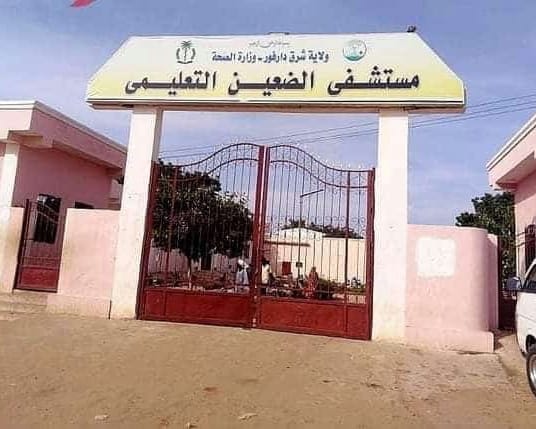
WHO says Sudan hospital strike kills at least 64, injures 89.
The World Health Organization said on Saturday that an attack on a medical centre in Sudan killed 64 individuals and injured 89 others.
Earlier, the United Nations humanitarian agency in Sudan expressed that it was “appalled by the assault on a hospital in East Darfur yesterday, reportedly killing dozens, among
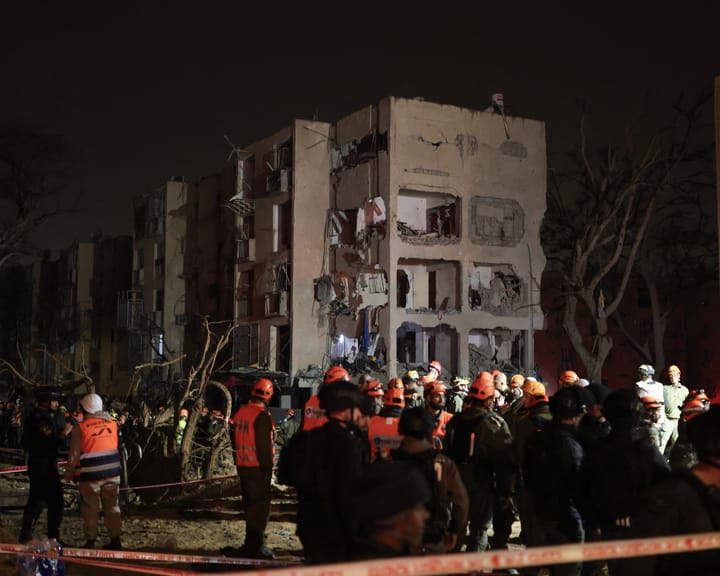
Nearly 100 injured as Iranian missiles strike southern Israel
On Saturday a salvo of Iranian ballistic missiles injured roughly one hundred people in southern Israel, striking the towns of Arad and Dimona after air‑defence units were unable to stop at least two projectiles.
Among those hurt were a 12‑year‑old boy and a five‑year‑old girl,
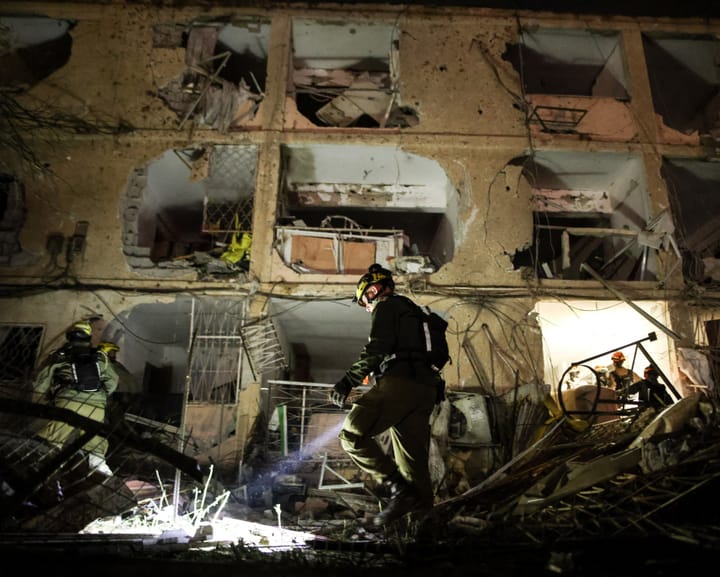
Iran attacks Israeli town with nuclear site in response to Natanz strike
An Iranian missile struck the Israeli town of Dimona, which houses a nuclear installation, in what Tehran described as retaliation for attacks on its own nuclear site at Natanz.
Dimona contains a facility just outside the town that is widely thought to hold the Middle East’s only nuclear stockpile,