
Shoppers Feel the Strain of Rising Prices Amid Trade Disputes
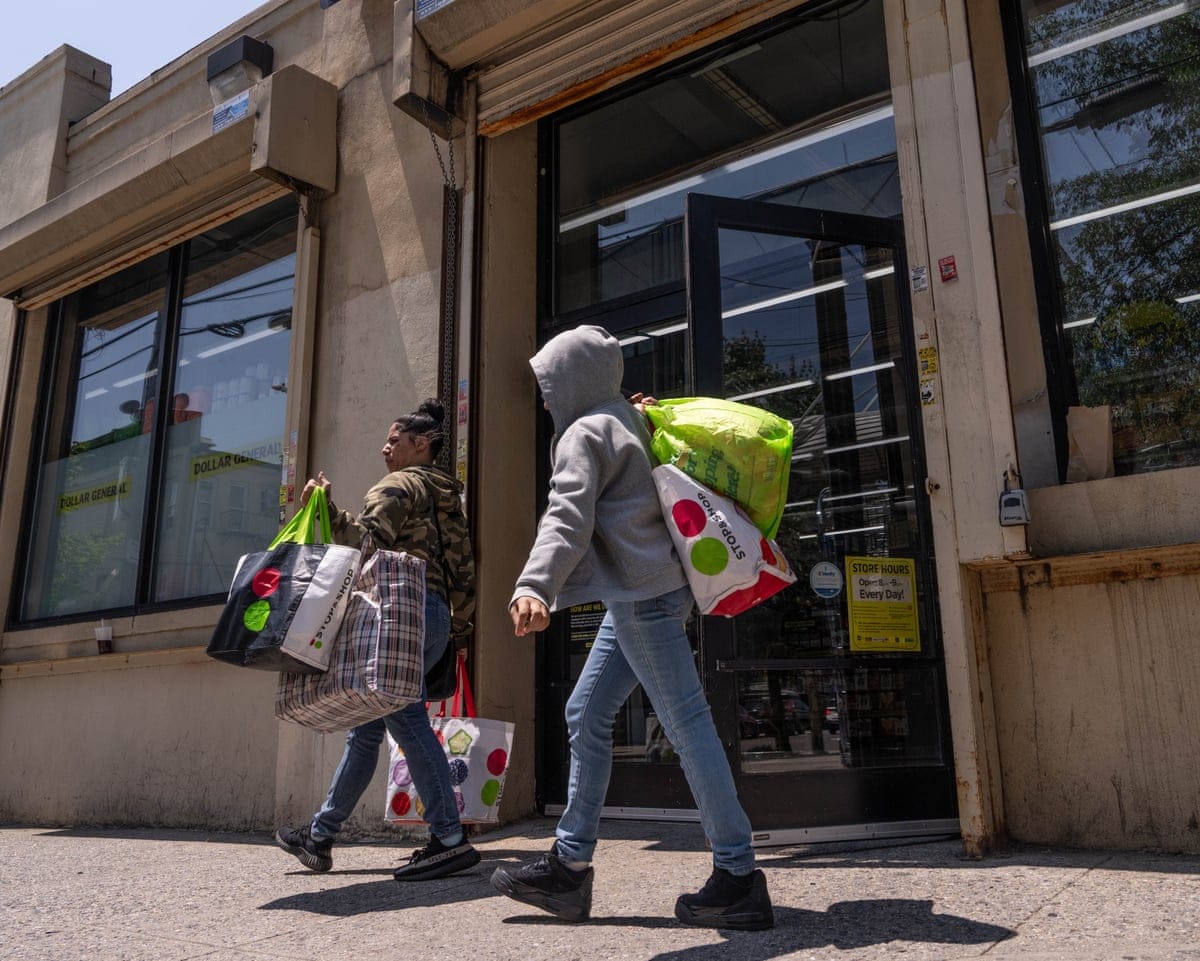
On a scorching July day in New York City, customers at Queens’ largest mall noted another kind of heat—rising costs on everyday items.
“Basic t-shirts, underwear, essentials—everything is getting more expensive,” said Clarence Johnson, 48, who stopped by the Macy’s at Queen Center mall to collect shirts he ordered online.
As trade tensions persist under the current administration, retailers have been adjusting prices to offset higher costs. Department stores, which depend on imported goods ranging from footwear to clothing, have faced particular challenges in managing fluctuating expenses.
At Macy’s, signs displayed throughout the store advertised discounts of up to 60%—even near high-end jewelry items. Yet some shoppers said prices remain unaffordable.
Nydia Olvera, 61, said shopping at Macy’s is usually beyond her budget, but she still checks the clearance section. “They used to sell t-shirts for three dollars. Now, I pay $7 to $9 for one,” she said.
A recent analysis by DataWeave revealed that prices for footwear, apparel, and bags rose sharply between January and June. Footwear costs increased by up to 4%, while clothing prices climbed nearly 2% in the same period.
Further price hikes remain uncertain. The White House is negotiating with multiple countries that could soon face tariffs as high as 40%. Initially set for early July, these tariffs are now expected to take effect on August 1.
Last week, officials announced an agreement with Vietnam, the second-largest producer of apparel, footwear, and accessories after China. Under the deal, Vietnamese exports will face a 20% tariff—half the proposed 46% rate introduced earlier this year. However, goods from other nations, including China, shipped through Vietnam will be taxed at 40%.
While retail executives called the agreement an improvement over earlier proposals, costs for businesses are still expected to rise. Macy’s recently lowered its earnings projection, citing uncertainty over tariffs. Its stock price has fallen 25% this year.
In May, Macy’s CEO Tony Spring indicated that while some prices would remain stable, others would increase, forcing the retailer to share part of the burden with customers. Executives from Nike, Target, Best Buy, and Walmart have made similar statements.
Nevertheless, retailers are also shouldering some of the financial impact. During a May earnings call, Macy’s CFO Adrian Mitchell noted that while the company had secured some supplier discounts, rising costs remain a challenge.
Read next
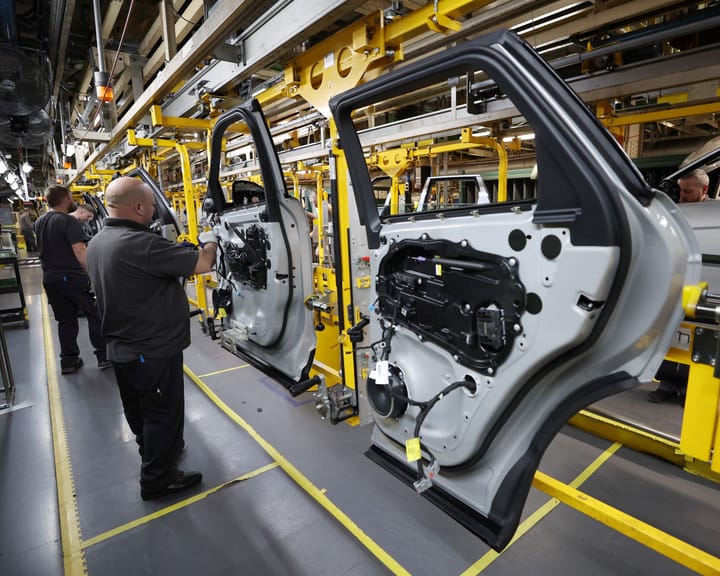
Jaguar Land Rover suppliers voice ‘everything is against us’ amid cutbacks
David Roberts, chair of Coventry-based Evtec, says the outlook for Britain’s automotive sector is grim, with “everything against us.” Evtec is a tier 1 supplier to Jaguar Land Rover, which this week announced 4,000 job cuts over two years despite chancellor John Healey’s attempt to talk

Europe’s fighter jet plans in disarray: what comes next?
When former ECB president and Italian PM Mario Draghi urged Europe to catch up economically with the US and China, defence collaboration was prescribed. No more should each nation build independent boats, tanks or jets; allies should share costs and technologies.
Europe stumbled at the first hurdle. German Chancellor Friedrich
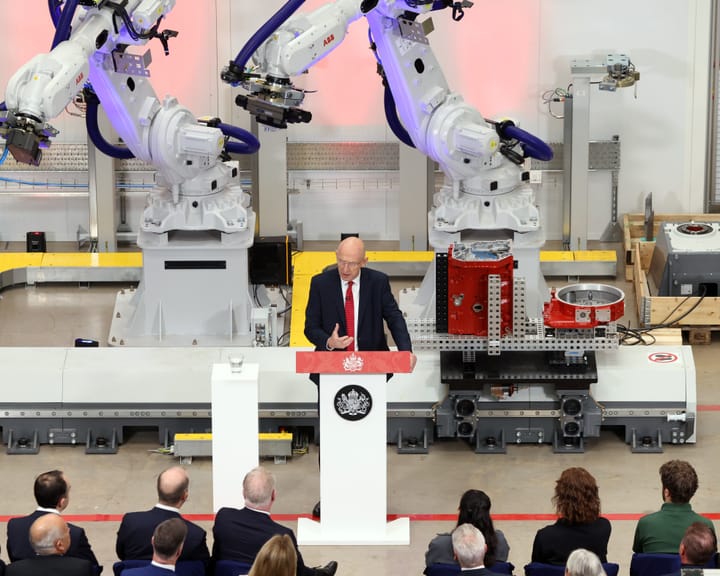
John Healey supports growth but insists Labour must be truthful about spending
John Healey has stated that his primary goal as chancellor will be to boost economic growth, while acknowledging that Labour must be straightforward about controlling public spending at next month's budget.
In his first major address since assuming the role in July, Healey said the leading focus of