
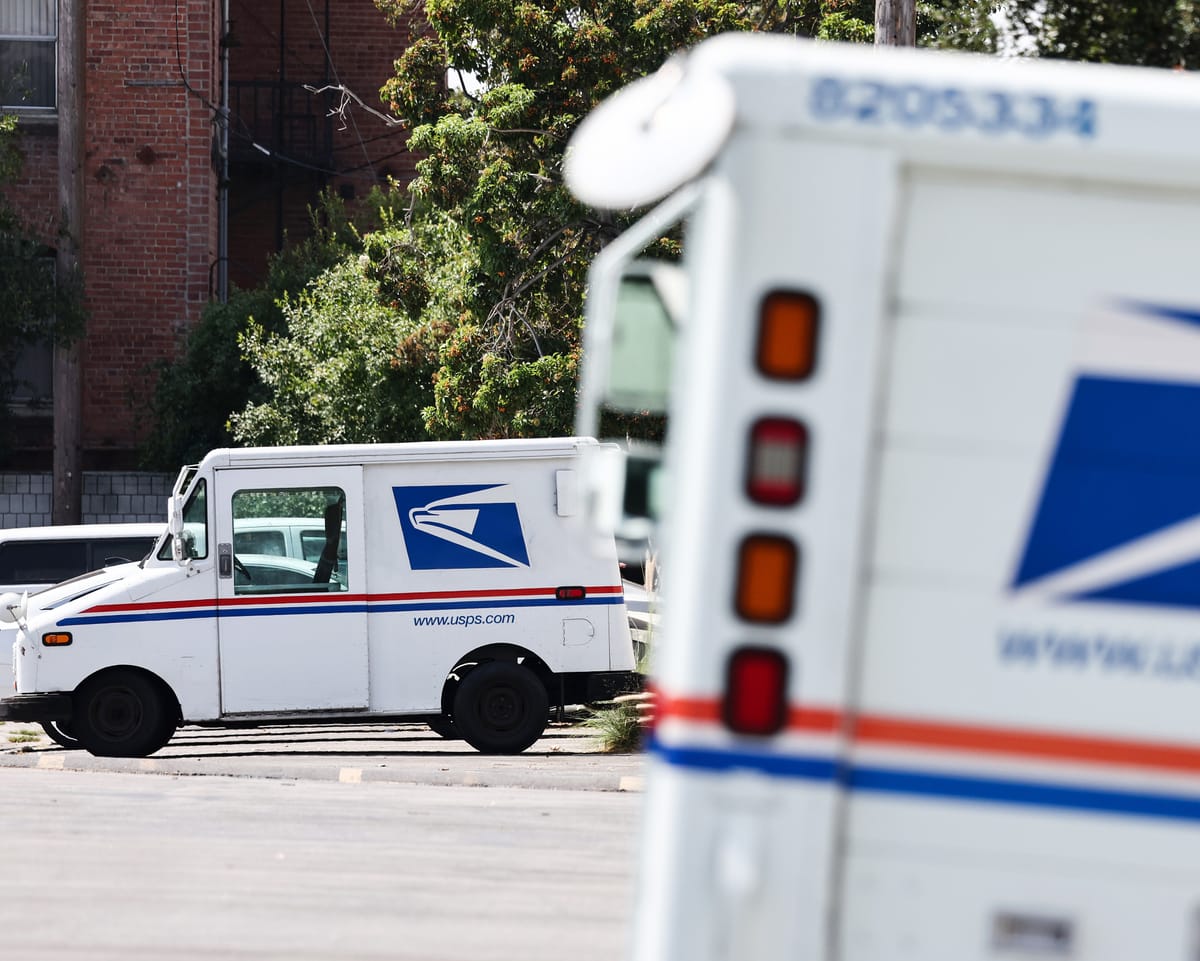
The United States Postal Service faces a cash shortfall within the next twelve months unless Congress removes the borrowing limit imposed on the agency, the postmaster general warned.
Speaking to the Associated Press, David Steiner said the service – which funds its operations through stamps and fees rather than tax revenue and delivers mail six days a week to every address nationwide – will lack the money needed to pay staff and contractors by February of next year.
The organization has run a deficit in almost every fiscal year since 2007, as individuals and businesses shift to electronic billing and digital communication, reducing first‑class mail volume. Mail delivery continues, however, with the USPS borrowing from the Treasury to offset the losses.
Steiner, who is slated to appear before Congress this month, is urging a revision of the federal statute that limits the service’s borrowing to $15 billion.
The former chief executive of a major waste‑management firm and a past FedEx board member who assumed leadership of the postal service in July also argued that the USPS must increase revenue by expanding a nationwide “last‑mile” delivery network. Last‑mile delivery, the most labor‑intensive segment of the process, moves parcels from distribution hubs to customers’ doorsteps.
Although the Trump administration discussed privatizing the postal service or moving it under the Commerce Department, Steiner told employees that he does not support a fundamental overhaul of the agency’s structure or purpose. “I do not believe the postal service should be privatized or become an appropriated part of the federal government,” he said in a video message to staff in July 2025. “I support the current model of the postal service as a self‑financing, independent entity within the executive branch.”
Over the past two decades, several postmaster generals have repeatedly asked Congress or regulators to modify the rules governing the service. In 2022, lawmakers passed the Postal Service Reform Act, which eliminated the requirement that the agency pre‑fund retiree health benefits, but left many other constraints in place.
Steiner maintains that further action is needed. The volume of mail handled by the service has fallen from roughly 220 billion pieces to about 110 billion in recent years.
“Apply a 78‑cent stamp to those 110 billion items and you see $86 billion of revenue that has disappeared over 15 years,” Steiner told the AP. “If FedEx or UPS lost $86 billion, they would be insolvent.”
He added that the postal service must be permitted to raise postage rates, including increasing the first‑class stamp price from 78 cents to 95 cents.
Read next

UniCredit launches aggressive bid for Commerzbank as European takeover war intensifies
Two major European banks have entered a €35 billion (£30 billion) takeover contest after Italy’s UniCredit intensified its long‑standing bid for German lender Commerzbank, despite firm resistance from the German government.
UniCredit initially acquired a 9 % stake in Commerzbank in September 2024 and has since increased its holding
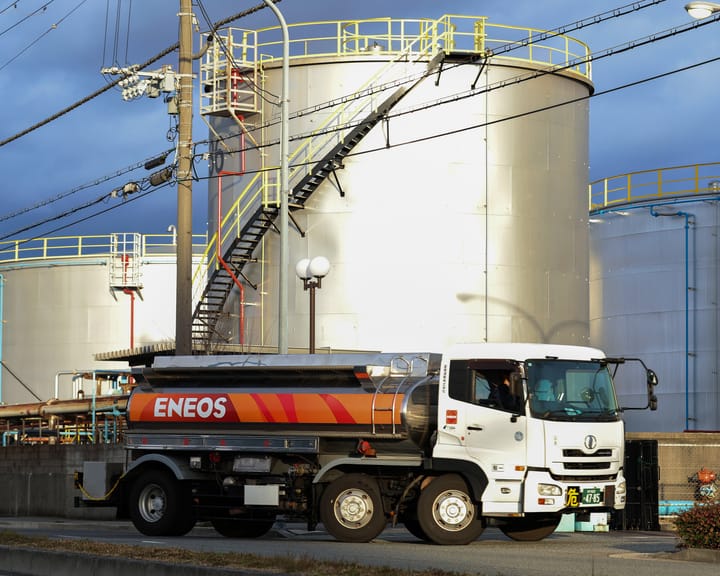
IEA weighs tapping additional oil reserves amid Iran conflict driving up prices
The international energy regulator is weighing another release of emergency crude reserves into the world market to temper climbing oil prices, after cautioning that market recovery will be slow following the ongoing strait of Hormuz crisis.
Fatih Birol, chief of the International Energy Agency, noted that member nations still hold

Micro-restaurants: where the chef is just a metre away, offering cosy charm
It began with a cut‑back in portion sizes, as all‑you‑can‑eat buffets were trimmed to modest, bite‑size servings. Soon after, menus shrank, with once‑lengthy lists reduced to a single A5‑sized sheet.
A new wave of contraction is now hitting the sector. Micro‑restaurants—venues