
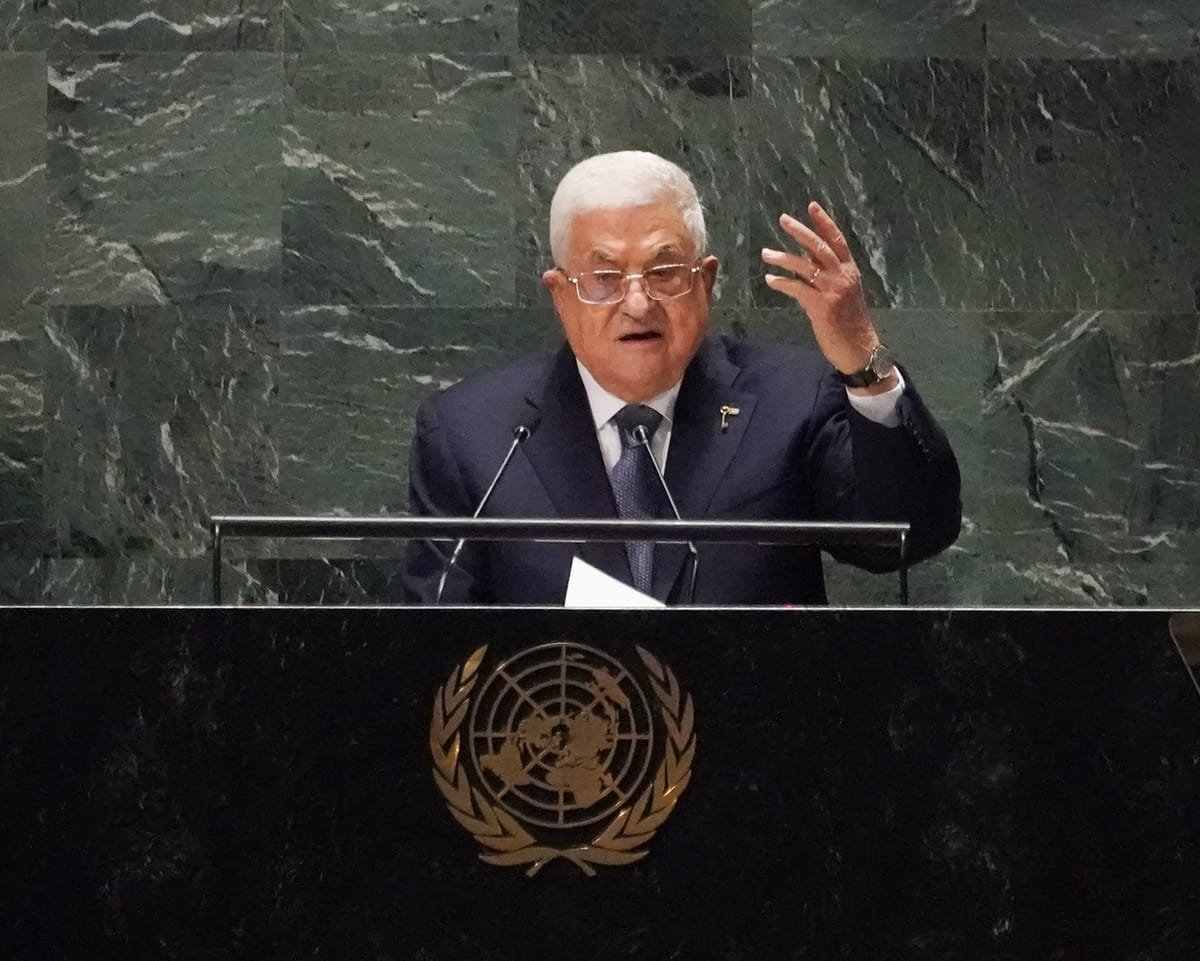
The U.S. has started denying and canceling visas for members of the Palestine Liberation Organization (PLO) and the Palestinian Authority (PA) ahead of the UN General Assembly meeting in September, according to a statement from the State Department on Friday.
"The current administration has emphasized that it considers holding the PLO and PA responsible for failing to meet their commitments and for weakening peace efforts as a matter of national security," the statement read.
This decision further aligns U.S. policy with Israel's government, which opposes the establishment of a Palestinian state. Israeli officials have frequently compared the PA, which has limited governance in the occupied West Bank, to Hamas, its political and ideological adversary.
The State Department accused Palestinian representatives of using legal channels to challenge Israel at international courts, calling it a tactic to pursue grievances. It also urged the PA to cease attempts to gain international recognition for a future Palestinian state through unilateral measures.
Israeli Foreign Minister Gideon Sa’ar expressed appreciation for the U.S. decision, describing it as a firm stance in support of Israel.
Mahmoud Abbas, the PA’s president, was among those affected by the restrictions. He had intended to visit New York to speak at the UN General Assembly.
Riyad Mansour, the PA’s envoy to the UN, stated that officials were awaiting further clarification on the policy's implications for their delegation and would act accordingly.
A UN spokesperson, Stéphane Dujarric, emphasized the importance of allowing all member states and observers, including the Palestinians, to participate in scheduled meetings. He expressed hope that the matter would be resolved.
The U.S. statement reiterated arguments frequently made by Israeli officials, asserting that the PLO and PA must consistently reject violence—including recent hostilities—and end what it called incitement in educational programs before being considered partners in peace efforts.
The PLO, established in 1964 as a coalition of Palestinian groups, was later acknowledged as the main political voice of Palestinians. The PA was formed decades later as a provisional governing body with the intention of laying the groundwork for statehood.
Both entities are seen as essential to any future resolution. Several nations, including European and Arab states, envision the PA playing a key role in Gaza’s governance if the ongoing conflict concludes, though they acknowledge the need for internal reforms.
Meanwhile, Australia, Canada, the U.K., and France are prepared to recognize a Palestinian state at the upcoming UN session under specific conditions—a move that has drawn strong criticism from Israel.
Israel’s government has strongly opposed these developments.
Read next
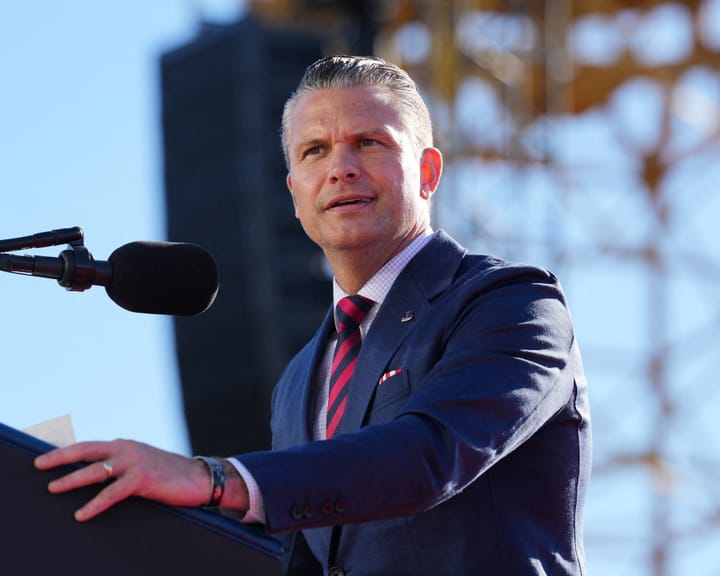
Pete Hegseth's proposal to stream executions aligns US with controversial nations.
If the US defense secretary, Pete Hegseth, proceeds with plans to livestream the execution of a soldier radicalized to extremist Islam, who killed 13 people at a military base in Texas, the US would join a group of lesser powers and rogue actors known for public executions in recent years.

Criminals steal €5m from renowned Italian winery
In a significant theft in Tuscany, thousands of wine bottles valued at €5 million have been stolen from the renowned Marchesi Antinori winery, marking what is considered the largest heist of its kind in Italy. A group of at least seven masked individuals breached the winery's cellar in

Illuminated Theater in Havana – A Photographic Journey
Widespread blackouts have become more frequent in Cuba since the US imposed energy sanctions in January. These outages often last longer than 24 hours as the aging electrical grid struggles to cope. The Impulso theatre group has been forced to adapt, as the power cuts present significant challenges for the