
When the excitement of Sunday’s highly anticipated US Open men’s final fades, the United States Tennis Association will release its annual report. It will highlight another historic tournament: over a million spectators in attendance, record engagement across digital platforms, significant growth in concession sales, and numerous well-known figures filling corporate suites. The USTA will celebrate its efforts to expand the sport’s reach, promote inclusivity, and elevate Flushing Meadows as a cultural hub.
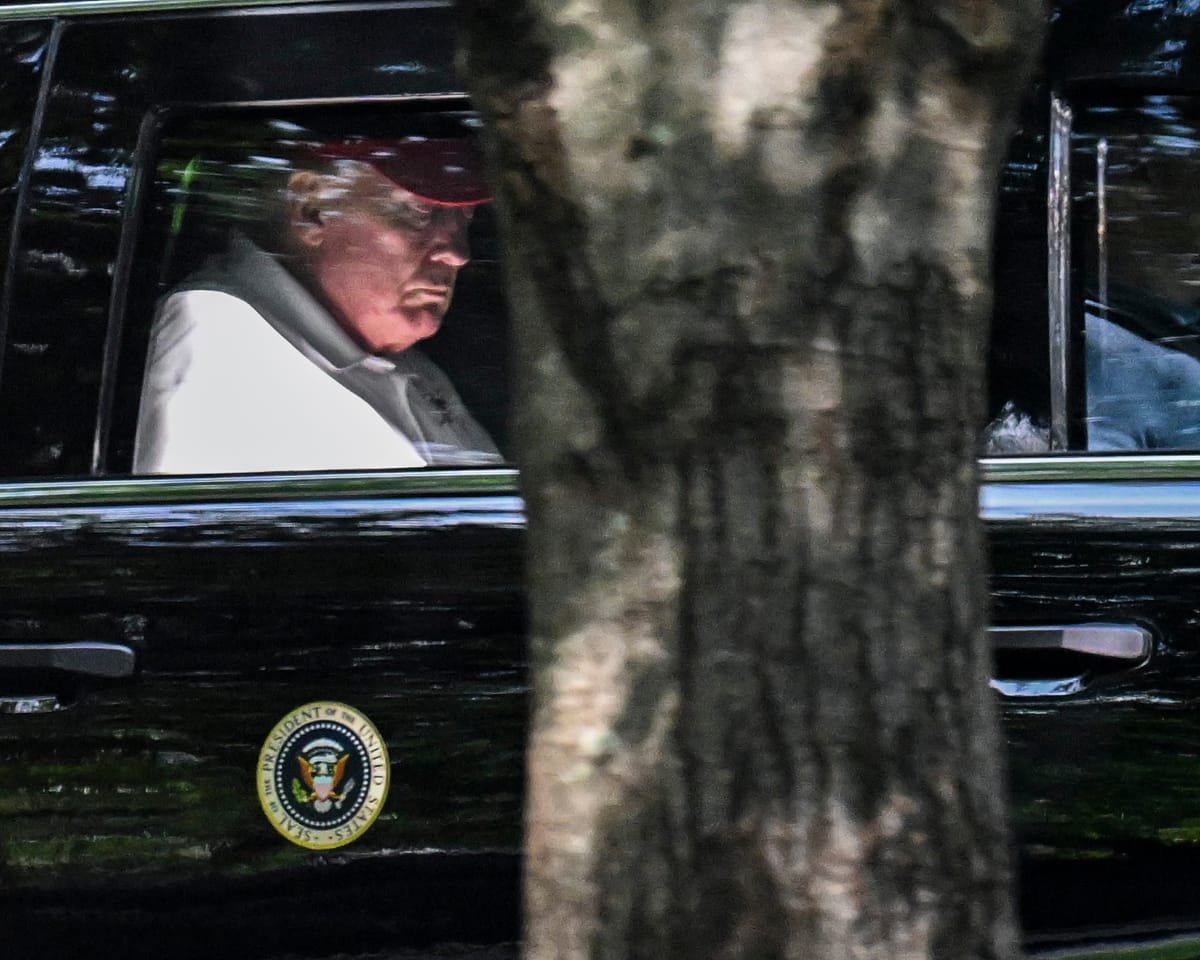
But beyond these achievements, this year’s event will be remembered for an unprecedented misstep: the USTA’s unfortunate request that broadcasters avoid showing disapproval directed at Donald Trump. In making this unnecessary concession, the organization committed an unforced error—undermining its integrity to protect a political figure, regardless of affiliation, from public criticism.
Internal emails obtained by various media outlets revealed that the USTA had advised its broadcast partners to “refrain from showcasing any disruptions or reactions” if Trump appeared during the final. Another internal note mentioned he would be attending as a guest in a sponsor’s suite. When reached for comment, a USTA representative offered a vague statement: “We regularly ask our broadcasters to refrain from showcasing off-court disruptions.” The response was unconvincing, failing to justify the selective enforcement of this policy.
This is the same tournament that, two years ago, aired footage of a climate protester gluing himself to a seat during Coco Gauff’s semifinal match, among other fan disturbances. The US Open is no stranger to televised chaos, often embracing the rowdy atmosphere that defines its reputation. For the USTA to now censor dissent directed at a sitting president is not consistency—it’s surrender.
Why the sudden caution? Was it concern that Trump—once a frequent attendee but loudly booed in 2015 after announcing his presidential campaign—might again face criticism on a global stage? Or fear that audience disapproval could overshadow the match? Either way, such hesitation misjudges both sports and democracy.
Public dissent on broadcasts isn’t a threat to order—it’s a reflection of it. Former UK home secretary Theresa May was booed at the 2012 Paralympics. French president Emmanuel Macron was met with whistles during the 2023 Rugby World Cup opening ceremony. In the U.S., NFL commissioner Roger Goodell routinely hears jeers at public events, almost as if they’re part of the ritual.
Read next
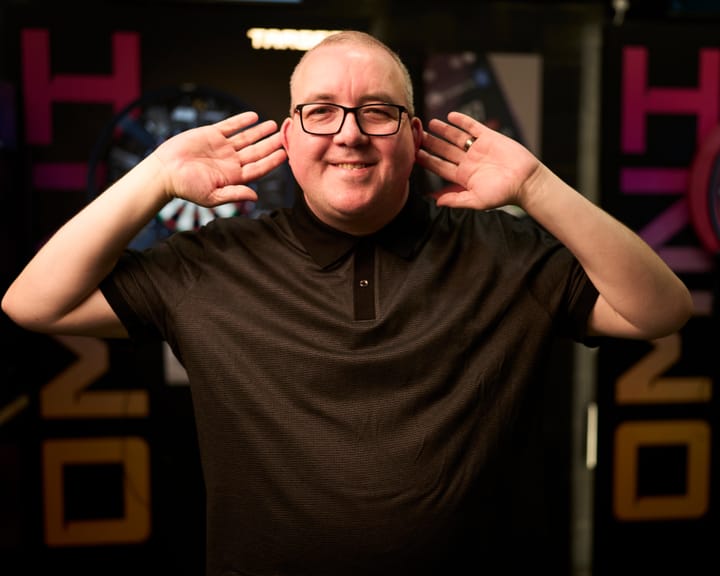
Stephen Bunting calls death threats and social media abuse ‘very hurtful’ as he addresses Luke Littler’s rise
Definitely," Stephen Bunting says, reflecting on whether the relentless effort required as a darts player on social media feels like a deal with the devil. Following Luke Littler, the prodigious teenage world champion, Bunting is darts' most heavily marketed figure. Yet over the past year, his success on
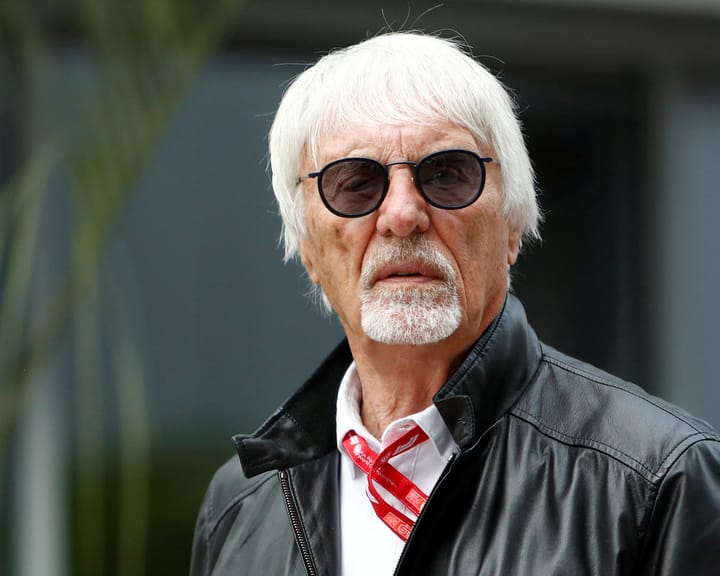
Bernie Ecclestone questioned after shotgun discovered on his private jet in Portugal
Bernie Ecclestone was detained in Portugal on Monday after customs authorities found an undocumented shotgun in his possession at Tires Aerodrome in Cascais. The incident was confirmed by CuriosityNews, which independently verified the matter with authorities.
The 95-year-old former Formula One chief’s private jet had just landed
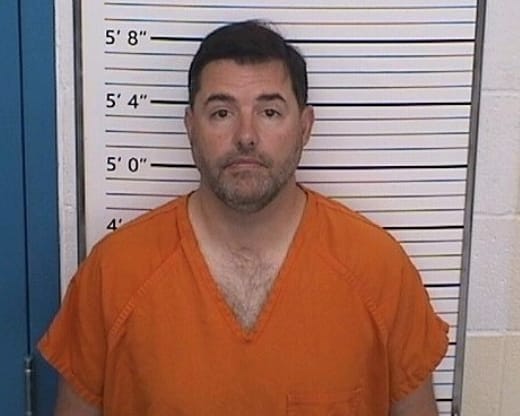
49ers preseason: fake wide receivers and undercover stings make it the wildest ever?
The Los Angeles Rams and San Francisco 49ers have arrived in Australia for this week's NFL season opener in Melbourne. While the flight duration from California to Victoria is approximately 16 hours for both squads, their paths to the season's beginning have been starkly contrasting.
The